
Chandigarh Budget's Dip
Chandigarh received an allocation of Rs 6,545.52 crore, marking a decrease of Rs 437.66 crore compared to the previous year. This cut in the budget has
led to some concerns within the city's administration and among local leaders. The reduced funding could potentially impact civic services and ongoing projects. This change indicates a shift in resource allocation, which will likely be closely monitored by stakeholders. The details behind this reduction, and its implications, will continue to be a subject of discussion and analysis in the coming months, as the city adapts to these new financial realities. The focus now is on understanding how to maintain existing services with a reduced budget.
Capex and Growth Focus
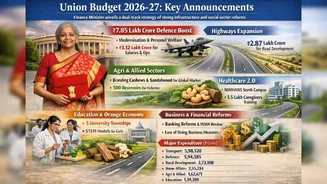
The central government has prioritized capital expenditure (capex), setting a target of Rs 12.22 lakh crore for fiscal year 2027. This emphasis on capex demonstrates the government's commitment to infrastructure development, a key driver of economic growth. Investments in infrastructure often have a multiplier effect, stimulating various sectors and creating jobs. This strategy is part of a broader plan to enhance India's economic competitiveness and create long-term prosperity. Continued investment in capital projects is intended to improve the quality of life for citizens, while also increasing India's standing on the global stage. This long-term approach indicates that the government views infrastructure as essential to sustained economic expansion.
Pune Growth Hub
A significant allocation of Rs 5,000 crore has been earmarked by the Union government to establish the Pune Growth Hub. This initiative is designed to foster economic development within the region, providing resources and support for various industries. Additionally, Rs 517 crore has been allocated for the metro extension in Pune, further improving the city's infrastructure and connectivity. The Growth Hub is expected to attract investment and create employment opportunities, while the metro expansion will ease traffic congestion and improve urban mobility. These strategic investments are a reflection of the government's commitment to supporting regional growth and development across India. The focus of these initiatives will be to create sustainable growth.
MHA and Census Push
The Ministry of Home Affairs (MHA) has seen a substantial increase of 5.69% in its outlay. This boost in funding is largely due to the focus on the Census and the Intelligence Bureau (IB). The Census is crucial for collecting demographic data, which is essential for informed policy-making and resource allocation. Increased funding will improve the operational capacity of the IB, allowing them to better handle security and intelligence responsibilities. The increase in the MHA's budget underlines the government's focus on national security and improved governance through efficient data management. This increase highlights the significance the government places on comprehensive data collection and improved security protocols to achieve better and efficient public services.
Education and Healthcare
The budget highlights significant investments in education and healthcare. Major announcements include the establishment of five university townships and girls' hostels in each district. This initiative underscores the government's dedication to improving the quality of education and promoting women's empowerment. PGI received an allocation of Rs 2,559.65 crore, which is Rs 141.79 crore more than in 2025. This increase is set to enhance healthcare infrastructure and resources. These strategic investments in education and healthcare are designed to improve the quality of life for citizens across the country and promote inclusive growth. The goal is to provide more access and opportunities for all segments of the population.