


A Transformative Deal
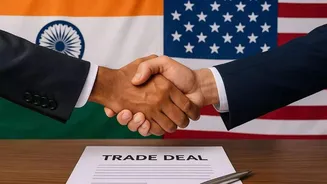
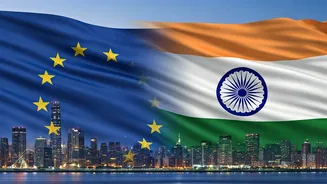
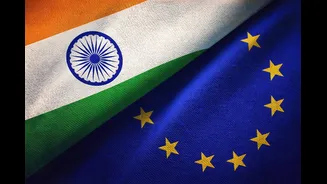
The India-EU Free Trade Agreement (FTA) is heralded as a game-changing and transformational initiative by officials. This ambitious project aims to solidify
a strategic alliance between India and the European Union, which is expected to have a profound impact on global trade dynamics. The FTA is envisioned as a catalyst for economic growth and offers the opportunity to bring together a substantial portion of the world's population under a single trade framework. The agreement is designed to create a more integrated and mutually beneficial economic relationship, which could potentially serve as a model for future international collaborations. There's a strong expectation that the implementation of the FTA will occur in 2026.
PM Modi's Strategy
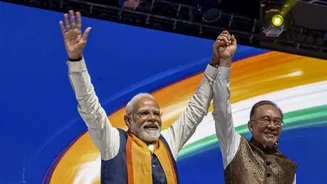
The FTA is considered Prime Minister Modi's strategic move for shared prosperity, particularly given the global unrest. This agreement represents a 'double engine bet,' signifying its dual role in promoting economic advancement and reinforcing geopolitical partnerships. This approach underscores a commitment to fostering closer ties with key international partners to mitigate risks and capitalize on opportunities. The deal is intended to strengthen India's position on the world stage, with a focus on both trade and defense, thereby redefining global power dynamics. The India-EU deal also involves collaboration in trade and defence sectors, highlighting the comprehensive nature of this partnership.
Key Objectives
The primary goal of the India-EU FTA is to create a robust economic partnership that fosters mutual growth and stability. This alliance aims to facilitate greater trade, investment, and collaboration across various sectors, creating significant advantages for both India and the EU. By removing trade barriers and streamlining processes, the agreement seeks to increase the volume of goods and services exchanged between the two regions. The FTA is also anticipated to enhance diplomatic relations, building a solid foundation for cooperation on global challenges. A successful implementation of this pact is expected to yield substantial benefits, driving economic expansion and reinforcing strategic alliances during uncertain times.
Trade Framework
The India-EU FTA establishes a comprehensive trade framework that aims to encompass a quarter of the world's population. This broad scope highlights the agreement's potential to significantly influence global trade. This ambitious framework goes beyond mere economic benefits; it also facilitates strategic collaboration and strengthens diplomatic relationships. The integrated nature of the FTA is designed to promote sustained growth, resilience, and collaborative problem-solving between India and the EU. As a comprehensive agreement, it’s not only a trade pact but also a cornerstone of a redefined global power play.
Strategic Significance
The FTA's significance goes beyond economic benefits, extending to geopolitical strategy. It is perceived as a significant move in the context of international uncertainties. The EU High Representative, Kaja Kallas, has praised the FTA and highlighted the importance of 'predictability' in international relations. This underscores the agreement's role in fostering stability and cooperation during a period marked by global volatility. The agreement aims to fortify the partnership between India and the EU, which is expected to support shared values and common strategic goals. By solidifying their relationship, both entities are set to play a more crucial role in shaping international dialogues and promoting global stability.