
Immigration's Continued Presence
Rather than coming to an end, the concept of immigration is continually transforming. Its various forms adapt and adjust according to events happening
across the globe, societal shifts, and changing economics. The way societies function and how individuals interact within these societies are reshaped. This evolution challenges traditional views. It requires a re-evaluation of long-held beliefs, as well as the development of new strategies for handling the realities of a globalized world. The shift doesn't simply involve population movements; it encompasses altering perceptions and reshaping interactions between cultures and people. This dynamic transformation impacts national policies, community dynamics, and individual lives.
Shifting Immigration Dynamics
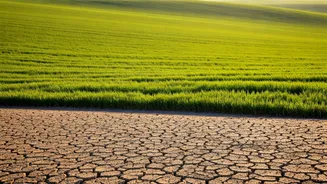
The forces driving immigration are numerous and varied. These forces include conflicts, climate change, and economic opportunities. These complex drivers shape the routes migrants take and the destinations they choose. Some of these drivers have become even more prominent in recent times. For instance, economic disparities continue to push people to seek better lives elsewhere. Climate change has caused people to relocate, triggering new waves of migration. Conflicts, which have displaced millions, continue to drive large-scale movements. These changes are not just quantitative; they're altering the character of migrant populations. Therefore, the countries receiving immigrants must adjust to these shifts, providing services, resources, and infrastructure to respond effectively. The adaptation is important for maintaining social harmony and promoting economic prosperity.
Changing Narratives and Perceptions
Public perception regarding immigration is significantly influenced by the media, political rhetoric, and cultural narratives. These influences may exaggerate or misrepresent the reality of immigration, leading to biases. News and other media often create narratives. These narratives tend to highlight negative aspects, which can amplify existing fears and misunderstandings about immigration. The use of such narratives can lead to policies. These policies may restrict or negatively affect immigrants. However, understanding the full reality requires careful consideration of diverse perspectives. It involves promoting accurate information, as well as countering stereotypes. The objective is to establish a more balanced and nuanced understanding. This understanding fosters inclusive and welcoming societies, which helps address challenges and capitalize on the opportunities that immigration brings.
Integrating Migrants Effectively
The success of integration depends upon a holistic approach that includes several key elements. Language and education are crucial as they help migrants adapt and thrive. Access to language programs allows migrants to communicate effectively, participate in society, and pursue work opportunities. Education provides migrants with skills and knowledge. These factors are essential for employment and social mobility. Employment opportunities are equally vital. Employment helps immigrants gain financial independence, and it contributes to the economy through taxes. Encouraging entrepreneurship can also provide opportunities for economic development. Social services and community support networks offer support. This support helps migrants deal with challenges. These supports are crucial for mental health, health services, and cultural integration. Effective integration promotes a society that accepts diversity. This fosters a sense of belonging among immigrants and benefits the society.
The Future of Migration
The trends in migration point to an increasingly complex and interconnected world. Further climate change, political instability, and economic pressures will continue to be major drivers. Technological advancements will also play a significant role. These advances will influence migration patterns, facilitate cross-border communication, and change the way migrants connect with their home countries. Governments will need to adopt flexible and adaptive policies. These policies must take into account the ongoing changes and ensure fairness, human rights, and security. There is a need for international collaboration. This is necessary to manage migration effectively. It involves sharing responsibility, coordinating policies, and addressing the root causes of migration. By promoting international cooperation, societies can create a more sustainable and inclusive future for all.