

A Taste of Tradition
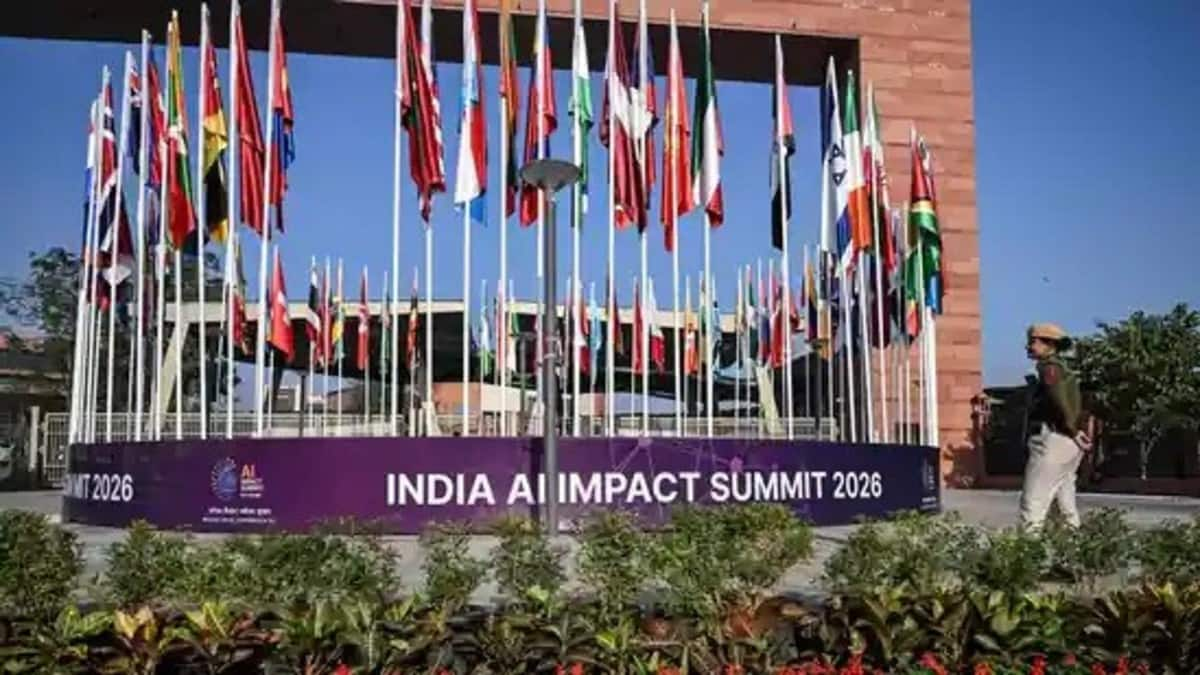
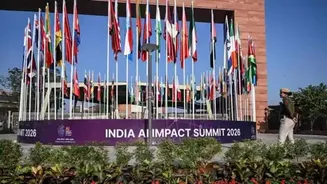
The India-AI Impact Summit 2026, attended by global leaders such as French President Emmanuel Macron and Brazilian President Luiz Inácio Lula da Silva,
culminated in a special dinner at Bharat Mandapam. This event was more than just a meal; it was a carefully crafted culinary experience designed by the ITC Group, embodying the theme 'Vikas bhi, Virasat bhi' – Development and Heritage. The menu was a deliberate homage to 'Shishir Ritu,' the season signaling the transition from late winter to early spring, emphasizing the bounty of India's traditional agricultural practices. It prominently featured local millets and produce with Geographical Indication (GI) tags, aiming to nourish and revitalize the esteemed guests. This thoughtful curation underscored India's commitment to integrating its historical agricultural strengths with its forward-looking ambitions in artificial intelligence and food security, presenting a harmonious blend of the past and the future on a single plate.
Vivid Starter
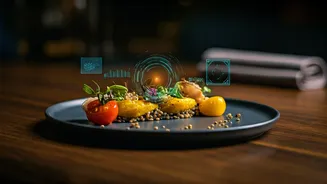
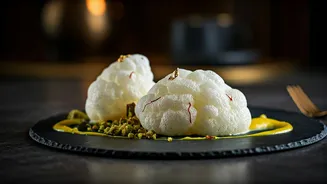
The culinary journey commenced with 'Varnila,' an appetizer thoughtfully named to evoke vibrancy and visual appeal. This dish was presented as a sophisticated interpretation of classic Indian street food, designed to provide an immediate and impactful burst of diverse flavors and textures. At its heart, 'Varnila' featured a dynamic combination of crispy baby spinach leaves and delicate yogurt spheres, offering a delightful contrast. The flavor profile was masterfully balanced with a sweet and tangy tamarind-date chutney and a refreshing cilantro relish. A final flourish of authentic Old Delhi masala and a multifloral Jowar (Sorghum) millet crisp added a unique textural element and a hint of traditional spice. This starter, with its 213 kcal per 100 g, set a sophisticated tone for the meal to follow, showcasing ingenuity in presentation and taste.
Main Course Flavors
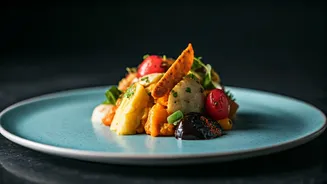
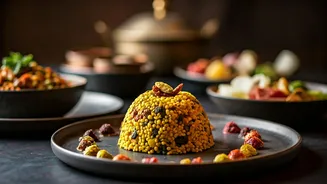
Following the introductory course, the main presentation, named 'Sasya' which translates to 'The Harvest,' delved into the distinctive 'Pahadi' (mountain) culinary traditions of the Kumaon region in Uttarakhand. The star of this course was 'Rajma Gilawat,' a dish highlighting the exceptionally creamy and subtly nutty GI-tagged Munsyari Rajma, a specialty from the Uttarakhand hills. Accompanying this was a fragrant pulao, a flavorful rice preparation that artfully blended the aromatic Pahadi rice with Jhangora, also known as Barnyard Millet. Completing the ensemble was 'Kumaoni Aloo Gutke,' tender potato chunks infused with the unique, pungent spice Jakhya, served alongside a smooth and vibrant tomato-anari (pomegranate) sauce. This main course, totaling 331 kcal per 100 g, celebrated the wholesome and robust flavors of the Indian Himalayas, presented with a touch of refined elegance.
Artisanal Breads
The selection of artisanal breads offered a delightful exploration of India's diverse regional baking techniques, showcasing breads from both Uttar Pradesh and Kashmir. From Uttar Pradesh came 'Taftaan,' a wonderfully light and flaky leavened flatbread, subtly flavored and colored with saffron, reflecting the rich culinary heritage of the region. Complementing this was the 'Kashmiri Girda,' a traditional round bread characteristic of the Kashmir Valley. This bread featured a distinctive, beautifully dimpled center, baked fresh to embody the spirit and authenticity of its origin. The inclusion of these distinct breads provided a comforting and authentic textural counterpoint to the richer main course, further enriching the cultural tapestry of the dining experience.
Sweet Conclusion
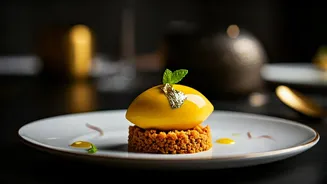
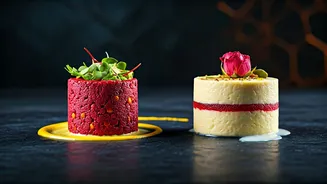
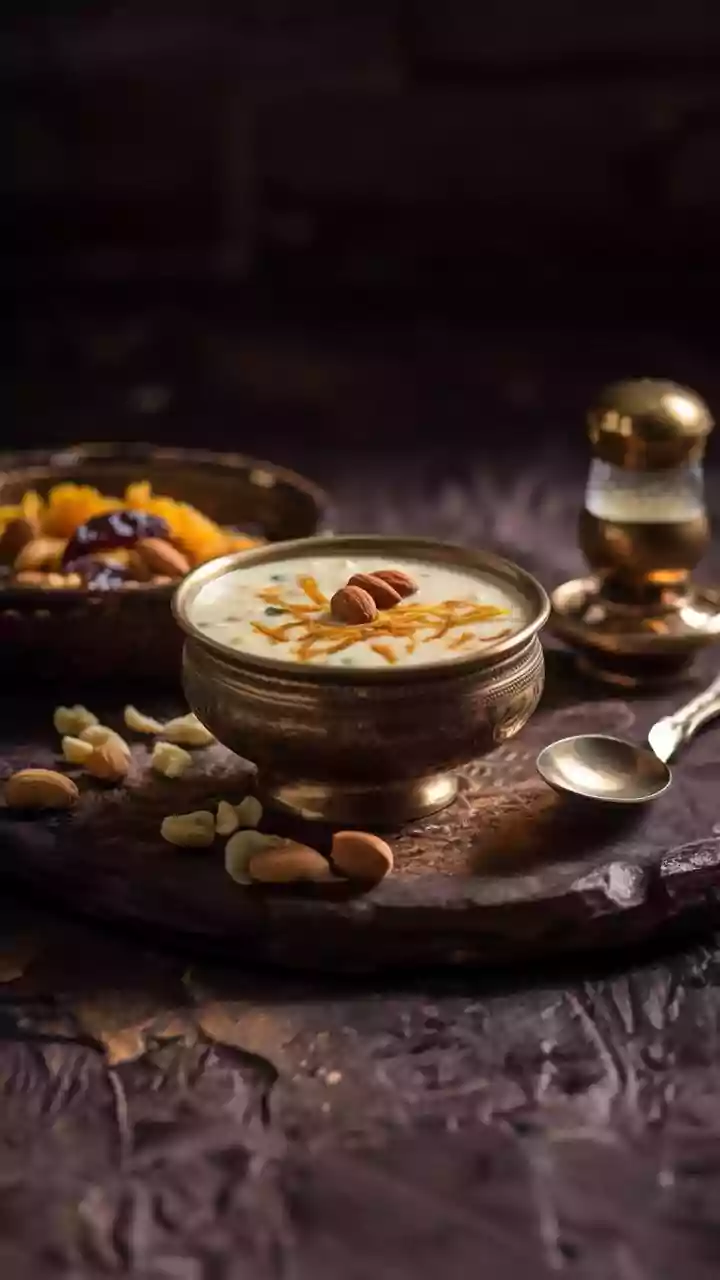
The grand finale of the dinner, presented under the theme 'Nisarga' or 'Nature’s Creation,' was a testament to the fusion of classic Indian sweets with contemporary global pastry techniques. The showstopper was the 'Rasmalai Tres Leches,' a luxurious dessert featuring a chena cake sponge, evoking the delicate texture of rasmalai, meticulously soaked in a rich, sweetened milk mixture. For a contrasting textural element, it was served atop a crunchy Bajra (Pearl Millet) streusel and accompanied by a delightful winter berry preserve. To conclude the meal, guests were offered a choice of traditional beverages, including aromatic Kashmiri Kahwa, robust South Indian Filter Coffee, and fragrant Darjeeling Tea. The evening’s final delight was an exquisite Indian Rose and Mishri Gulkand Chocolate Leaf, a playful take on the traditional paan, providing a memorable and sweet end to the summit dinner.
Strategic Significance
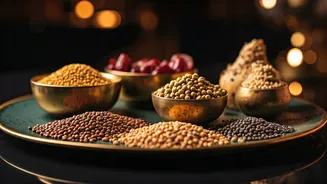
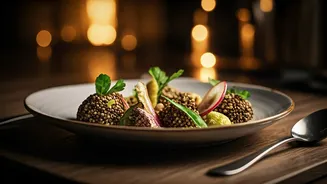
Beyond its immediate appeal, the dinner menu held significant strategic importance, particularly in supporting India's 'Millet Mission.' The deliberate and prominent inclusion of various millets – Jowar (Sorghum), Jhangora (Barnyard Millet), and Bajra (Pearl Millet) – across different courses served as a powerful visual demonstration to the international leaders present. It underscored India's commitment to promoting climate-resilient and sustainable farming practices. This strategic culinary choice aimed to showcase how these ancient grains, often overlooked, are central to India's vision for AI-driven food security, highlighting their nutritional value and low environmental impact. The menu effectively communicated that embracing traditional, sustainable agriculture is intrinsically linked to India's advancement in technological fields like AI, presenting a cohesive national agenda.