





Airspace Closed Suddenly
The recent closure of Iranian airspace has caught many international airlines off guard. This sudden decision caused considerable disruption to air travel,
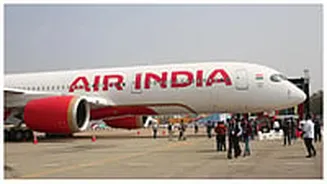
leading to flight diversions and cancellations. The repercussions of this action extend beyond mere inconvenience; they touch upon international relations and the complexities of global travel. IndiGo and Air India, two well-known airline companies, issued advisories to notify travelers of the airspace closure. Consequently, at least three United States flights were canceled, and one IndiGo flight had to return to Baku, highlighting the immediate and significant impact of Iran's actions on the aviation sector. The closure served as a stark reminder of the interconnectedness of global affairs and how sudden political decisions can quickly affect international transportation networks.
Flight Disruptions Abound
The immediate consequence of the airspace closure was widespread disruption to flight schedules. Many flights were either canceled or forced to reroute, leading to significant delays and inconvenience for passengers. The impact was felt across numerous international routes, with airlines scrambling to find alternative pathways to reach their destinations. Airlines such as Air India and IndiGo, crucial players in the Indian aviation market, quickly issued travel advisories. They informed passengers about the changes, emphasizing the importance of staying updated with the latest flight information. This situation underscores the aviation industry’s vulnerability to geopolitical instability. It emphasizes the need for airlines to have contingency plans to adapt to sudden changes in airspace availability and ensure passenger safety. The disruptions also highlight the intricate logistical challenges involved in managing international air travel.
Impact on Airlines
The airspace closure imposed a range of challenges for airlines, necessitating quick adjustments to their operational plans. Flight diversions are often associated with increased fuel consumption and longer travel times, which subsequently escalate operational costs for airlines. Airlines must also manage passenger communication and logistics. They must ensure that passengers receive timely updates and assistance. Airlines, therefore, had to work on alternative flight paths and secure permissions, which require coordination with air traffic control agencies and other relevant authorities. The financial implications can be substantial. These include revenue losses due to canceled flights, additional expenses for re-routing aircraft, and potential compensation for affected passengers. The situation underscores the importance of resilient operational strategies and strong communication channels within the aviation industry to mitigate the financial implications of geopolitical instability.
Geopolitical Context
The closure of Iranian airspace underscores how political decisions can directly and swiftly impact the global aviation landscape. While the specific reasons for the closure were not clearly mentioned in the initial reports, the move highlighted the interplay between international relations and air travel. Political tensions, diplomatic incidents, or strategic considerations can easily influence access to airspace. This can lead to flight restrictions or complete closures. These actions have far-reaching consequences for the aviation industry and the traveling public. The situation stresses the need for airlines and governments to closely monitor geopolitical developments and assess potential risks. It also shows the importance of international cooperation in maintaining a safe and stable environment for air travel, regardless of political differences.
Passenger Perspective
The closure of Iranian airspace caused significant inconvenience for air travelers. Passengers faced flight cancellations, extended travel times, and unexpected disruptions to their travel plans. Individuals intending to transit via Iranian airspace found their journeys thrown into disarray, leading to frustration and stress. Airlines often struggle to accommodate all the passengers affected by these disruptions. This creates challenges in managing passenger expectations and providing timely assistance. Travelers had to stay informed about flight updates and be ready to adapt to changing circumstances. Communication, flexibility, and patience were critical for those whose travel itineraries were affected by the airspace closure. These events serve as a reminder of the need to have travel insurance, and backup plans. This helps to alleviate the impact of unforeseen circumstances on international travel.