
Global Influence Overview
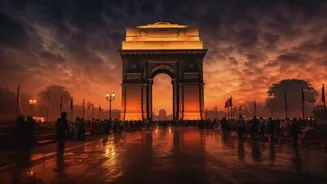
India's presence on the international stage is increasingly prominent. Its growing economy, strategic partnerships, and cultural influence contribute significantly
to its global standing. The country navigates complex geopolitical landscapes, fostering collaborations while addressing internal challenges. India's commitment to multilateralism, evident in its participation in various international forums, shapes its foreign policy and enhances its global reputation. These efforts enable India to advocate for its interests and play a crucial role in shaping global discourse and policy.
Economic Growth Trajectory
India's economic performance is a central aspect of its global influence. The nation has experienced sustained economic growth, propelled by a growing middle class, technological advancements, and a focus on infrastructure development. These economic reforms have attracted foreign investment, boosting various industries, including manufacturing, services, and technology. Despite challenges like income inequality and the need for further reforms, India's economic growth continues to position it as a major player in the global economy, contributing to international trade and investment flows.
Strategic Partnerships Analyzed
India's foreign policy is marked by strategic alliances and partnerships worldwide. These relationships span a variety of countries, from the United States and Russia to nations in Europe, Asia, and Africa. Key partnerships are often focused on areas such as defense, trade, and technology. India actively participates in multilateral forums like the G20, BRICS, and the Shanghai Cooperation Organisation, using these platforms to promote its interests, build consensus, and influence global decisions. The dynamic nature of these partnerships reflects India's evolving geopolitical strategies and its commitment to a multipolar world.
Cultural Diplomacy Explained
India's cultural influence plays a crucial role in enhancing its global appeal. Indian culture, including its rich traditions, diverse arts, and popular entertainment, has a significant worldwide presence. Yoga, Bollywood, and Indian cuisine have gained popularity, fostering cultural exchange and tourism. Cultural diplomacy initiatives, such as cultural centers and festivals, help to project a positive image of India and build soft power. This cultural outreach strengthens international relationships and contributes to India's global reputation as a vibrant and culturally rich nation.
Challenges and Opportunities
India faces various challenges in its international standing, including managing complex geopolitical dynamics, addressing internal socio-economic disparities, and ensuring sustainable development. Opportunities arise from its demographic dividend, technological advancements, and expanding economic influence. Overcoming challenges requires sustained reforms, strategic planning, and collaborative efforts. India's ability to navigate these complexities and capitalize on its strengths will be crucial to shaping its future global role. It involves focusing on both internal progress and proactive engagement with the international community.