
Best Offer Presented
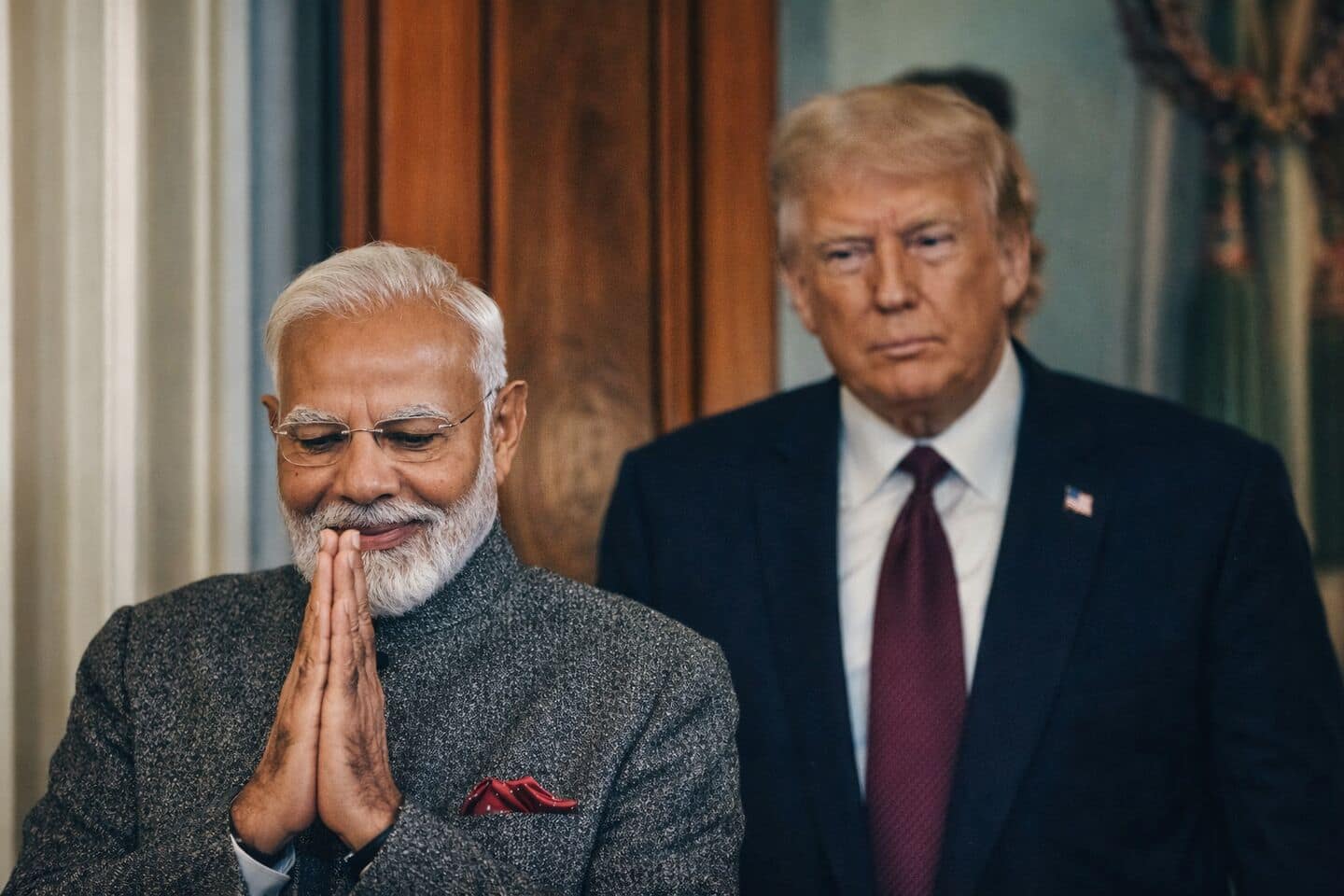
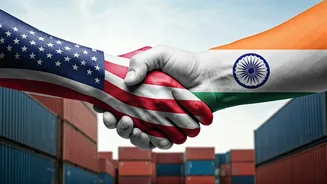
According to a US official, the trade agreement currently on the table with India is the most favorable offer ever presented. This statement comes amidst
complex negotiations focused on strengthening economic ties between the two countries. These negotiations, although presenting a significant opportunity for growth and cooperation, also entail complexities that require careful consideration. The evaluation of this offer requires a thorough examination of its various aspects and potential impact on both India and the United States. The details are not completely available, and the negotiations continue, offering insight into the potential areas of cooperation and the obstacles that remain to be addressed. The primary goal is to foster a mutually beneficial trade relationship that stimulates economic activity and contributes to long-term prosperity.
Tough Nut to Crack
Despite the optimistic assessment of the trade deal, the US official also acknowledged the challenges ahead, indicating that the negotiations are far from simple. These complexities might stem from a variety of factors, including differing trade policies, tariff structures, and regulatory frameworks. Addressing such intricate issues demands robust discussion, strategic concessions, and a shared dedication to finding common ground. Each point of contention needs to be tackled in a way that safeguards both nations' interests while advancing the ultimate goal of a comprehensive trade agreement. Successful negotiation depends on overcoming these difficulties. The complex negotiations underscore the careful and deliberate process required to reach an agreement that addresses both countries' diverse interests and priorities. The path towards a finalized deal requires thorough analysis and strategic flexibility.
Negotiation Dynamics Unveiled
The ongoing negotiations between India and the US reflect a broad effort to establish a solid framework for trade and economic collaboration. These discussions involve detailed evaluations of various trade-related topics, including investment, tariffs, and market access. Officials from both countries are working together to identify areas of shared interest and to solve disagreements that might impede progress. The process of negotiation includes a range of meetings, formal discussions, and behind-the-scenes consultations to facilitate the exchange of ideas and the search for solutions. Achieving an agreement requires dedication, patience, and a willingness to compromise. The aim is to create an environment that encourages investment, fosters innovation, and strengthens the overall economic relationship between India and the United States.
Mutual Benefits Explored
A successful trade agreement between India and the US promises mutual benefits for both economies. For India, it could lead to increased export opportunities, attracting foreign investment, and promoting economic growth. Access to new markets and enhanced trade relations can stimulate job creation and support industrial advancement. The US, in turn, stands to gain from expanded access to the Indian market, increased business opportunities for American companies, and strengthened ties with a major economic partner. A strong trade deal can create a more balanced and sustainable economic relationship. The strategic collaboration also involves mutual recognition of standards, promoting ease of doing business, and encouraging deeper integration within global supply chains, thereby increasing economic prosperity.
Looking Ahead
As negotiations continue, the focus remains on overcoming the existing obstacles to reach a mutually agreeable trade agreement. The success of these discussions depends on the capacity of both countries to resolve their differences and build on their shared interests. Careful attention to policy details, a willingness to compromise, and a shared vision for the future are essential for the final outcome. Both India and the United States are focused on establishing a trade partnership that boosts economic cooperation. Both countries are working to achieve an agreement that benefits their citizens and contributes to global economic stability. The developments will be closely followed as both countries strive for a comprehensive and enduring trade agreement.