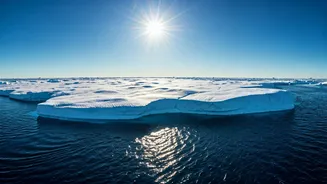

Melting Ice, New Interests
The rapid melting of Greenland's ice sheet has drastically altered its strategic importance. As ice retreats, previously inaccessible resources, including
vast deposits of rare earth minerals, are becoming increasingly attractive. These minerals are essential for modern technology, from smartphones to electric vehicles, fueling a global race to secure these vital resources. The changing climate has, therefore, initiated a new era of geopolitical interest in Greenland. This shift has placed Greenland at the center of attention for nations seeking to capitalize on these new opportunities, reshaping the global power dynamics and opening up new frontiers for resource competition.
Strategic Mineral Resources
The availability of rare earth minerals is a crucial factor in the escalating interest in Greenland. These minerals are vital for various advanced technologies, and their strategic importance is undeniable. Control over these resources provides significant economic and political leverage. The pursuit of these minerals is not just about economic gain; it is also about securing technological independence and dominance in the global market. Countries are strategizing to establish a strong presence in Greenland to ensure access to these resources. This intensified competition has the potential to reshape alliances and partnerships in the international sphere. It is a complex interplay of environmental changes, technological demands, and geopolitical ambitions.
US-NATO Dynamics Evolve
The United States and NATO's involvement in Greenland is multifaceted, reflecting the island's strategic location. Greenland's position in the Arctic region is essential for monitoring and defense, making it a crucial component in maintaining regional security. The US has long-standing interests in Greenland, including a military presence. NATO's involvement also reflects the strategic importance of the region, emphasizing the collective security concerns of the alliance. This increased focus by the US and NATO indicates the evolving global power dynamics, as nations position themselves to secure their interests in the face of new challenges and opportunities. The relationship between the US, NATO, and Greenland continues to evolve, reflecting the complex interplay of military strategy, economic interests, and geopolitical competition in the Arctic.
India's Strategic Perspective
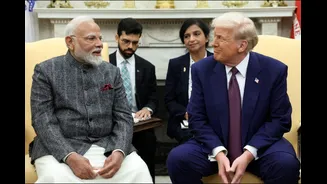
For India, the unfolding events in Greenland carry strategic implications, particularly in the context of global mineral supply chains and international relations. India's growing economy and technological ambitions necessitate securing access to resources like rare earth minerals. The developments in Greenland are also relevant within the framework of India's engagement with the US and NATO. India's ability to navigate these dynamics will be critical in ensuring its long-term strategic interests. India must carefully consider its alliances and partnerships to navigate the new global power play. Understanding the geopolitical shifts in regions like Greenland can help India to align its foreign policy goals.
Geopolitical Power Plays
The interest in Greenland is not simply about resources; it reflects a broader shift in global power dynamics. Nations are competing for influence, strategically positioning themselves to secure their interests. The Arctic, once considered a remote area, is now a region of intense competition. The ongoing tussle emphasizes the increasing importance of strategic resources and their influence on the global stage. This competition includes the involvement of multiple actors, each pursuing their own objectives and shaping the geopolitical landscape. The complex power plays occurring in Greenland are representative of wider trends in international relations, highlighting the importance of strategic foresight and adaptive diplomatic strategies.
Future Implications Unfold
The future of Greenland is intertwined with the evolving global dynamics related to climate change, resource extraction, and international relations. As the ice continues to melt and resources become more accessible, the competition for influence will likely intensify. The decisions made by countries today will have a lasting impact on the global order. Strategic alliances, resource access, and technological advancements will all play critical roles in shaping the future trajectory of Greenland. The implications extend far beyond the Arctic, underscoring the importance of international cooperation, conflict resolution, and strategic planning in navigating the complex challenges ahead. India’s stance and engagements with relevant stakeholders will play a key role in the years to come.