




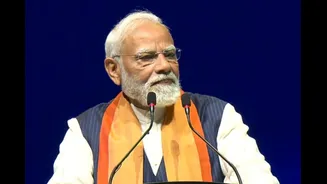
Defense Self-Reliance Stressed
Rajnath Singh, in a recent address, voiced strong opinions on India's defense strategies. The minister emphasized the crucial need for India to achieve
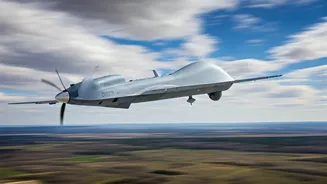
self-reliance in its defense sector. Singh's statements came against a backdrop of increasing tensions in the region, which underscored the necessity for India to be prepared and capable of safeguarding its own interests. The thrust of the government's approach is to minimize dependence on external sources and boost indigenous defense manufacturing. This strategy involves substantial investments in research, development, and the acquisition of advanced technologies. The underlying aim is to empower India's armed forces with cutting-edge equipment and to reduce vulnerabilities related to geopolitical uncertainty. Singh's words reflect a clear commitment to fortify India's security apparatus and ensure its ability to respond effectively to any challenges.
Neighborly Disputes Addressed
During his address, Rajnath Singh did not shy away from commenting on the country's neighbors, referring to a specific nation's actions as 'crazy.' This bold statement clearly pointed toward the ongoing disputes and the complex dynamics shaping the region's political relationships. Singh’s choice of words highlighted the degree of frustration with the neighbor's policies. The comments have added a new layer to the already strained relations. International observers are closely examining the implications of this statement. There is great interest in the evolution of India's foreign policy and the strategic approaches the nation may adopt. The situation has implications beyond mere words, potentially affecting diplomatic actions. It may influence economic partnerships and ultimately determine the future trajectory of regional security.
Geopolitical Ripples Noted
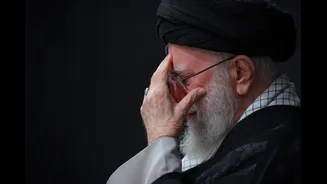
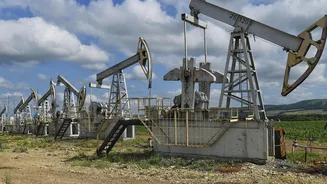
While the primary focus was on India's defense strategy and regional tensions, other international events and developments were also present. Scott Besant's announcement regarding new US sanctions against Iranian entities also contributes to the international landscape, highlighting concerns about the evasion of oil sanctions. Concurrently, the events within Iran, including protests and responses from key figures like Khamenei, added further complexity to the global political situation. These developments, although seemingly isolated, all contributed to a broader narrative. They emphasize the need for strong defense capabilities, robust foreign policy, and vigilance in a world marked by evolving alliances and potential conflicts. Understanding these interconnected threads is vital for comprehending the complete political picture.
Domestic Political Reactions
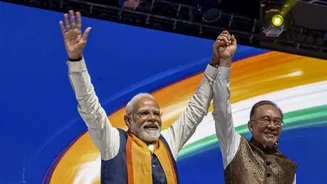
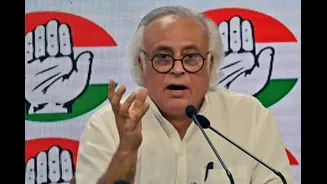
Within India, reactions to these issues varied. The TMC, a prominent political party, responded to comments made by PM Modi, taking a stance related to a specific event in Singur, West Bengal. This reaction revealed a divergence of opinions and underlined the domestic political dynamics that complement India’s response to external events. The exchanges highlight the intricate connections between local and national politics. The reactions of various political parties underscore the importance of understanding the viewpoints from a wide range of organizations. These divergent reactions display the diversity of political thought within India. The responses help to shape public opinion and play a significant role in influencing future political strategies. The interactions serve as a clear demonstration of the varied and complex nature of the country's political scene.