





Paneer's Popularity Across India
Paneer, a fresh cheese made from cow or buffalo milk, holds a significant place in Indian cuisine. Its versatility allows it to be used in a wide array
of dishes, from rich curries to light snacks. Celebrated by both vegetarians and non-vegetarians, paneer's popularity stems from its mild flavor, which readily absorbs other flavors, and its satisfying texture. Different regions of India have their own unique methods of preparing paneer, and the recipes vary accordingly, reflecting the diverse culinary landscape of the country. Paneer can be enjoyed in various forms, including cubes, crumbled, or grated, which allows for various cooking techniques like frying, grilling, or simply adding it to gravies or stuffing.
A North Indian Icon
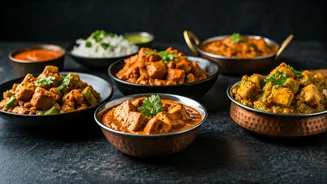
North India is home to some of the most iconic paneer dishes. Dishes like Palak Paneer (paneer in spinach gravy), Shahi Paneer (paneer in a creamy tomato-based gravy), and Paneer Butter Masala (paneer in a rich tomato and butter gravy) are frequently seen on restaurant menus and in households. These dishes often feature paneer that is gently cooked in a rich, flavorful gravy, alongside a combination of spices and herbs. The creamy texture of these dishes often results from using ingredients like cashew paste or fresh cream. The preparation style in North India often involves using a tandoor, a traditional clay oven, to add a smoky flavor to the paneer, providing a unique dimension to the dishes.
South Indian Flavors
South Indian cuisine showcases paneer in dishes that often feature regional spices and ingredients. Paneer Tikka Masala, which is paneer marinated in yogurt and spices before being grilled and added to a masala sauce, is a popular choice. In addition, paneer can be found in a variety of other preparations, such as paneer stir-fries, and paneer-filled dosas, a savory pancake. The South Indian approach emphasizes the use of coconut, curry leaves, and other aromatic spices, which create a distinctive flavor profile. The style of cooking focuses on balancing spicy, tangy, and sometimes sweet flavors, resulting in paneer dishes that are well-seasoned and appealing to a range of palates.
East and West India's Paneer
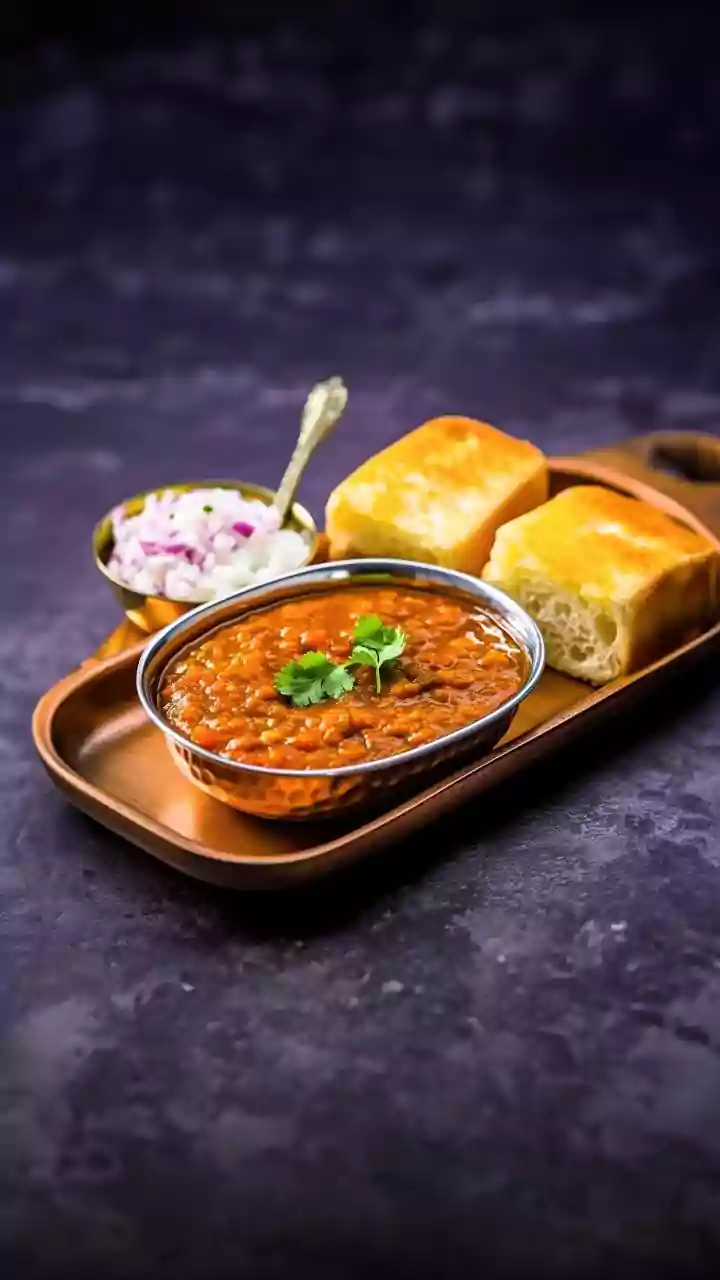
In Eastern India, paneer is used in dishes like Rasmalai, a sweet dessert where paneer is soaked in a sweetened, thickened milk. Paneer pakoras, where paneer cubes are dipped in a spiced batter and fried, are also popular. Paneer is often incorporated into street food, offering a quick and tasty snack. In Western India, paneer is frequently used in vegetarian versions of dishes such as Pav Bhaji, a mix of mashed vegetables served with bread, and in sandwiches. The style of cooking is often centered on using fresh, local ingredients and adapting them to suit a variety of culinary styles. Dishes often have a blend of local flavors, creating paneer experiences that are unique to the respective regions.
Exploring Paneer’s Diversity
Beyond curries and snacks, paneer finds its place in many other diverse food items. Paneer is often used as a filling in parathas (flatbreads), offering a hearty and filling breakfast or meal. It is also used as an ingredient in various desserts, like paneer kheer. Furthermore, paneer can be used as an alternative to meat in several dishes, providing a vegetarian option. The use of paneer also varies according to regional customs, with varying recipes and cooking methods. Its simple preparation and adaptability make it a popular choice for home cooks and chefs, allowing for continuous creativity in the culinary space.
The Top 15 Dishes
This list compiles 15 of the best-rated paneer dishes, showcasing the broad range of ways this cheese is enjoyed across India. The selections will likely cover the most popular dishes and less well-known preparations, which reflect the diversity of Indian cuisine. These dishes have been assessed by a top culinary agency, guaranteeing that they not only taste great but also reflect the best of Indian culinary skills. The selection of dishes is not limited by region but highlights the very best preparations, from creamy curries to flavorful snacks, and each dish aims to offer a unique eating experience.
What Makes It Best?
The 'best' dishes are not determined solely by taste; it's a combination of flavors, texture, and the authenticity of preparation. The assessment by the culinary agency ensures the use of fresh ingredients, balanced flavors, and proper cooking techniques. In addition, the presentation and overall eating experience contribute to the rating. The top dishes combine traditional methods with creative touches, reflecting the evolution of Indian cuisine. This combination makes for a memorable and outstanding dining experience.
Preparation Tips
Creating great paneer dishes involves a few key steps. High-quality paneer is a must, and it's best to use fresh paneer or make it at home. Marinating paneer correctly can significantly improve its flavor; marinating it in yogurt and spices before cooking will enhance the absorption of the flavors. Proper cooking methods, whether frying, grilling, or simmering in gravy, are important. The right balance of spices and other ingredients, such as tomatoes, onions, and fresh herbs, is essential to create complex and layered flavors. Attention to these details ensures that the paneer dishes will taste delicious.
Pairing and Serving
The ideal sides complement paneer dishes and enhance the overall eating experience. Various breads, such as naan, roti, or paratha, pair well with curries. Rice, particularly basmati, is another popular accompaniment, that will absorb the flavorful gravies. Additional options include raita, a yogurt-based side dish with vegetables, and chutneys to complement the flavors. Presenting paneer dishes with these sides makes the dining experience complete and enjoyable, allowing the enjoyment of the paneer with other delicious flavors.
Beyond the Plate
The influence of paneer extends beyond its taste, playing a cultural role in Indian cuisine. Paneer is often present at celebrations and social gatherings. The availability of paneer and the recipes reflect changing tastes and cultural influences. Furthermore, it encourages the continuous improvement of cooking methods and the creation of new dishes. The versatility of paneer continues to attract chefs and home cooks. Its impact on India's culinary landscape makes paneer a timeless and significant ingredient.