





Debunking the Detox Myth
Many are swayed by the allure of 'liver detox' products, but a leading hepatologist clarifies that such external interventions are entirely unnecessary
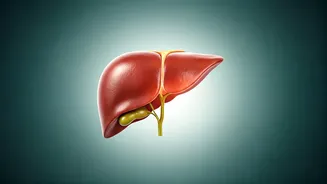
and can even be harmful. Your liver is a remarkably efficient detoxification machine, operating complex phase I and phase II processes around the clock without any assistance from juice cleanses, herbal remedies, or supplements like milk thistle. In fact, some of these so-called detox aids have been documented to cause liver injury, directly contradicting their advertised benefits. The organ's natural detoxification is a continuous, internal process that cannot be accelerated or enhanced by external means. It's crucial to understand that the liver's inherent ability to cleanse the body is constant and self-sufficient, rendering any external 'detox' measures redundant and potentially counterproductive.
Alcohol's True Toll
The notion that moderate alcohol consumption might offer health benefits has been thoroughly debunked. According to experts, no amount of alcohol is safe for your body, with liver damage initiating from the very first drink. Studies have revealed that previous research suggesting 'moderate drinking' was protective was flawed, often contaminated by 'abstainer bias.' Modern analysis, such as Mendelian randomisation, has invalidated these earlier findings. The safest approach for liver health, as strongly asserted by specialists, is zero alcohol consumption. Even small, regular intakes can contribute to cumulative harm, underscoring the importance of abstinence for maintaining optimal liver function and preventing progressive damage.
'Natural' Dangers Unveiled
In today's wellness landscape, there's a rising trend towards 'natural' and Ayurvedic products, often perceived as inherently safe. However, a prominent hepatologist highlights a concerning reality: these substances are increasingly becoming a leading cause of acute liver failure. Products containing ingredients like Ashwagandha, green tea extract, Garcinia, kratom, high-dose turmeric, and Giloy are frequently implicated in drug-induced liver injury registries across India, the US, and Europe. The perception of 'natural' does not equate to safety, and it is imperative for individuals to approach such supplements with caution, understanding that they can pose significant risks to liver health and should not be consumed without thorough medical consultation.
Coffee's Protective Power
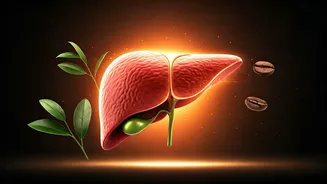
Amidst concerns about liver health, a surprising ally emerges: coffee. Research indicates that regular coffee consumption, whether caffeinated or decaffeinated, offers significant protective benefits for the liver. Consuming 2-3 cups daily has been consistently linked to a reduced risk of developing fibrosis, cirrhosis, and even liver cancer. This dietary intervention stands out due to the robust and replicable scientific evidence supporting its efficacy. Coffee's positive impact on liver health is well-documented, making it one of the few dietary habits that actively contributes to the organ's well-being and disease prevention.
Weight Loss for Liver
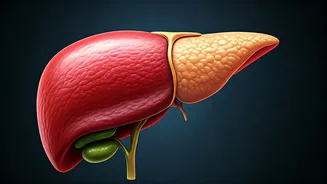
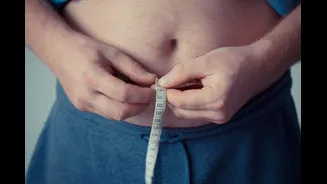
Fatty liver disease affects a substantial portion of the global adult population, with approximately one in three individuals worldwide being impacted. Fortunately, a significant portion of this condition can be effectively managed and even reversed through substantial weight loss. Achieving a 7-10% reduction in body weight has been shown to clear liver fat, regress early stages of fibrosis, and reduce inflammation within the organ. Experts emphasize that lifestyle changes, particularly focusing on diet and physical activity, are the most effective first-line therapy for fatty liver, outperforming current approved drug treatments. Your dietary choices and regular movement are the most potent tools for managing this prevalent condition.
Sugar's Slippery Slope
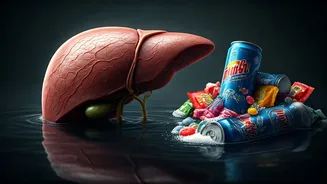
Sugar-sweetened beverages are identified as primary contributors to the development of fatty liver disease. The liver metabolizes fructose almost exclusively, converting it directly into fat. Even a single soda consumed daily can elevate the risk of developing Metabolic Dysfunction-Associated Steatotic Liver Disease (MASLD), even when accounting for total caloric intake. This highlights the critical importance of moderating or eliminating sugary drinks from one's diet to protect liver health and prevent the accumulation of liver fat, which can lead to serious complications.
Vaccination and Screening
Proactive measures, including vaccination and timely screening, are vital for safeguarding liver health. It is strongly recommended that individuals get vaccinated against hepatitis B, as this vaccine can prevent over 95% of chronic infections, cirrhosis, and liver cancer. Furthermore, undergoing screening for hepatitis B (HBV) and hepatitis C (HCV) at least once in a lifetime is crucial. While hepatitis C is curable within 8-12 weeks with a success rate exceeding 95%, many carriers remain unaware of their infection, underscoring the importance of early detection and treatment.
Exercise for Resilience
Physical activity plays a crucial role in maintaining liver health, even independent of weight loss. Engaging in at least 150 minutes of moderate exercise per week, or 75 minutes of vigorous activity, can significantly reduce both liver fat accumulation and stiffness. Regular exercise contributes to a healthier liver by improving metabolic function and reducing inflammation, offering a protective effect that complements dietary efforts and overall weight management strategies.