
A Historic Agreement
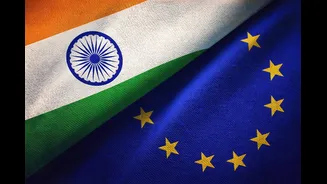
The culmination of negotiations between India and the European Union signifies a momentous development in international trade. Prime Minister Narendra
Modi enthusiastically celebrated the agreement, labeling it a 'mother of all deals.' This reflects the immense strategic importance and anticipated economic benefits associated with the pact. The finalization of the deal underscores a strengthened commitment to fostering economic collaboration and growth between India and the EU member states, setting the stage for increased investment and trade flows that will positively influence India’s economic trajectory. The agreement promises to provide a boost to various sectors, fostering innovation and enhanced competitiveness within the Indian economy.
Manufacturing Sector Surge
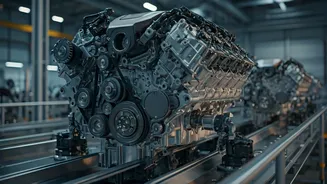
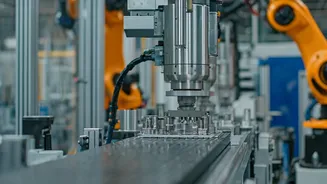
One of the primary benefits anticipated from the trade agreement is a significant uplift in the manufacturing sector. The deal is expected to create a more favorable environment for manufacturers by reducing trade barriers and streamlining regulatory processes. This, in turn, is projected to attract greater investment, both domestic and foreign, leading to expanded production capacities and the creation of new employment opportunities. Increased access to European markets will enable Indian manufacturers to become more competitive globally, encouraging them to adopt advanced technologies and production methods. This revitalization of the manufacturing base is seen as pivotal for India's long-term economic development, contributing to overall GDP growth and strengthening India's position in the global value chain. The agreement facilitates easier access to raw materials, machinery, and technology, supporting efficiency and driving productivity gains.
Services Sector Expansion
Along with manufacturing, the services sector is also poised for substantial expansion thanks to the newly finalized trade agreement. The pact aims to create a more open environment for service providers, including those in areas such as information technology, financial services, and healthcare. Increased market access to the European Union will enable Indian service providers to expand their operations, tap into larger customer bases, and enhance their revenues. The agreement’s provision for greater mobility of skilled professionals will facilitate cross-border collaboration and the exchange of expertise, fostering innovation. Moreover, the enhanced trade relationship will likely result in greater investments in the services sector, boosting infrastructure and capacity development. The predicted result is increased competitiveness and the generation of new jobs, solidifying the sector's importance in the economy.
Investor Confidence Boost
A pivotal element of the trade agreement is its potential to significantly increase investor confidence in India. According to Prime Minister Modi, the agreement will signal to investors and businesspersons globally that India is a reliable and promising location for investment. The pact is meant to establish a more predictable and transparent trade and investment environment, reducing uncertainties and risks for international companies. This should encourage foreign direct investment (FDI), accelerating infrastructure projects, technological advances, and overall economic activity. Greater investment can, in turn, help India improve its economy, create more jobs, and foster sustainable growth. This, in addition, should boost the country's creditworthiness and improve its standing in international financial markets, thus making it easier for businesses to source capital and expand operations.
Future Economic Growth
The India-EU trade agreement lays a strong base for future economic expansion and cooperation. This pact is expected to be a catalyst for long-term sustainable growth, propelling India towards more economic prominence on the global stage. By fostering innovation, increasing competitiveness, and attracting foreign investment, the agreement will help to improve India's position in global markets. The comprehensive deal, encompassing goods, services, and investment, is a strategic move, aligning the two economies for collaboration and mutual benefits. This cooperative framework opens the door for other strategic alliances and trade agreements. Therefore, the successful implementation of this pact is anticipated to be a major step in transforming India's economic standing, creating opportunities and ensuring progress for the nation.