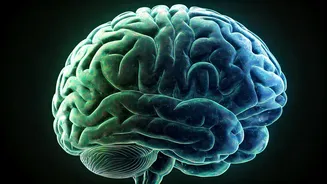

Exercise Overview
The field of neuroscience continuously seeks methods to stimulate neurogenesis, the process of generating new neurons. A neuroscientist has brought forward
three exercises to explore their potential in enhancing brain health. These exercises offer practical approaches that anyone can incorporate into their daily routines. The first exercise emphasizes the importance of cardiovascular activity, suggesting that regular aerobic exercises like brisk walking or jogging can potentially increase blood flow to the brain. This heightened blood flow subsequently delivers vital oxygen and nutrients, which are essential for brain cell health and growth. This is the initial step toward promoting a more robust and responsive brain environment. The core of this method revolves around the concept that a healthy body supports a healthy brain.
Cardiovascular Activity
At the forefront of the recommended exercises is cardiovascular activity, recognized for its role in promoting overall well-being. According to the neuroscientist, engaging in regular aerobic exercises acts as a catalyst for potentially boosting brain cell generation. Activities like brisk walking, running, or cycling contribute to increased blood flow to the brain. This enhancement is vital because the brain relies heavily on a consistent supply of oxygen and essential nutrients to perform optimally and facilitate growth. Furthermore, cardiovascular exercises often lead to the release of beneficial brain-derived neurotrophic factor (BDNF), a protein that supports neuron survival and development. The core principle lies in the synergy between physical activity and cognitive enhancements.
Cognitive Challenges
Beyond physical activity, the neuroscientist's advice includes cognitive exercises designed to stimulate the brain actively. These exercises focus on challenging the brain through puzzles, memory games, or learning new skills. The principle here is neuroplasticity, the brain's ability to reorganize itself by forming new neural connections throughout life. Activities such as crossword puzzles, Sudoku, and learning a new language are excellent examples of this approach. These types of cognitive engagements serve to strengthen existing neural pathways and possibly encourage the formation of new ones. By engaging in cognitive challenges, individuals can provide the brain with diverse stimuli that promote neural growth and enhance overall cognitive functions. The key is consistent engagement and the introduction of novel stimuli.
Mindful Meditation
The third exercise proposed involves incorporating mindfulness and meditation practices. These practices aim to reduce stress and cultivate mental clarity, thereby providing a more conducive environment for neurogenesis. The neuroscientist indicates that chronic stress can have detrimental effects on the brain, particularly on the hippocampus, a region critical for memory and learning. Regular meditation can help reduce stress levels by promoting relaxation and enhancing focus. Mindfulness practices involve focusing on the present moment, increasing awareness, and minimizing distractions. This helps to create a calm mental state, which supports brain health. Meditation may increase the production of gray matter and improve cognitive functions such as attention and emotional regulation. The goal of this exercise is to create an internal environment that supports brain health and promotes optimal cognitive function.