






The Fit Man's Stents
A striking case from Hyderabad highlights a 37-year-old man who, despite meticulously adhering to a healthy lifestyle – running 5 km daily, avoiding junk
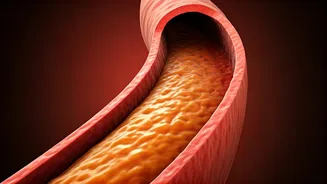
food, and maintaining good sleep habits without any vices – required two stents to address significant blockages in his heart arteries. This scenario challenges the common belief that a physically active and clean-living individual is immune to serious cardiovascular issues. The cardiologist who treated him pointed out that traditional markers of health do not always capture the full picture of a person's risk, underscoring the need to look beyond conventional metrics. The man's presentation with chest pressure and left arm heaviness led to an urgent angiography, revealing the extent of the arterial narrowing and necessitating the stent placement, a stark reminder that a healthy exterior can mask underlying vulnerabilities.
Unveiling Silent Killers
The primary hidden risk factor identified is genetic predisposition, often manifesting as a family history of early heart problems. If your father or uncle experienced heart issues at a younger age, your personal risk can be two to three times higher, irrespective of your current fitness level, weight, or activity. Another significant, frequently overlooked contributor is Lipoprotein(a) or Lp(a), described as a particularly dangerous form of cholesterol. Unlike standard lipid profiles, Lp(a) levels are determined purely by genetics and are not typically checked in routine health assessments. Elevated Lp(a) can lead to arterial plaque buildup even when 'good' cholesterol is within normal ranges, making it a silent, potent threat to cardiovascular health. These genetic factors operate independently of lifestyle choices, meaning even the most disciplined individuals can be at higher risk.
Stress, Inflammation, and Sleep
The modern corporate lifestyle, characterized by high stress levels, plays a crucial role in undermining heart health, even for those who exercise regularly. The physical act of running 5 km daily, while beneficial, may not be sufficient to counteract the physiological impact of chronic stress. Elevated stress hormones like adrenaline can increase blood pressure and promote inflammation, contributing to the formation of microplaque within the arteries. Furthermore, hidden inflammation, often measured by markers like C-reactive protein (CRP), can accelerate artery damage. Many individuals who appear fit may harbor underlying inflammatory conditions that are not detected by standard check-ups. Equally critical is the impact of poor sleep quality. Consistently sleeping only six hours, especially with prolonged screen exposure late into the night, induces metabolic strain, raises cortisol levels, thickens the blood, and destabilizes existing arterial plaque, all detrimental to heart function.
Beyond Basic Checkups
The misconception that running alone guarantees pristine arteries is a dangerous one. Heart disease is a complex interplay of genetics, lifestyle habits, inflammation, stress, sleep patterns, and metabolic health. To gain a comprehensive understanding of cardiovascular risk, Dr. Ali recommends that individuals over 25 in India undergo specific advanced tests. These include measuring Lipoprotein(a), High-sensitivity C-reactive protein (HS-CRP) for inflammation, ApoB, HbA1c for diabetes risk, fasting insulin, Vitamin D levels, and Homocysteine. For those experiencing symptoms, a Treadmill Test (TMT) is advised. Crucially, individuals over 35 should consider a Coronary Calcium Score to detect early plaque buildup. These tests offer a more detailed, personalized assessment than routine screenings, enabling proactive management of hidden cardiovascular threats.