






Tiny Living Revolution
The concept of small living has gained considerable traction in recent years. This movement reflects a desire to simplify life, embrace sustainability,
and reduce environmental impact. It’s also often a response to rising property costs and a yearning for a more mobile lifestyle. Tiny homes vary considerably in their designs and are constructed from diverse materials, ranging from repurposed shipping containers to traditional wood-framed structures. These homes are designed to be efficient, both in terms of space and resource consumption. They often incorporate innovative elements like multi-functional furniture, built-in storage solutions, and energy-efficient appliances, demonstrating that small spaces can indeed be comfortable and stylish. The minimalist approach of tiny living goes beyond just physical space; it extends to possessions and lifestyle choices, encouraging homeowners to focus on experiences rather than material goods. Tiny homes are a testament to the fact that you can live a full life with less, offering a refreshing perspective on modern living.
Global Small Dwellings
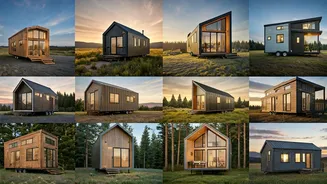
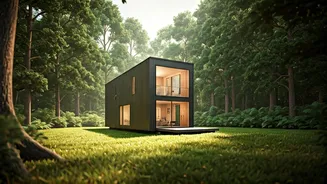
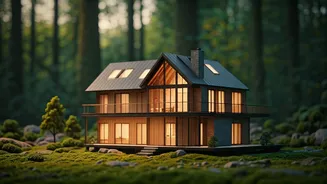
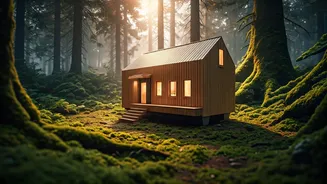
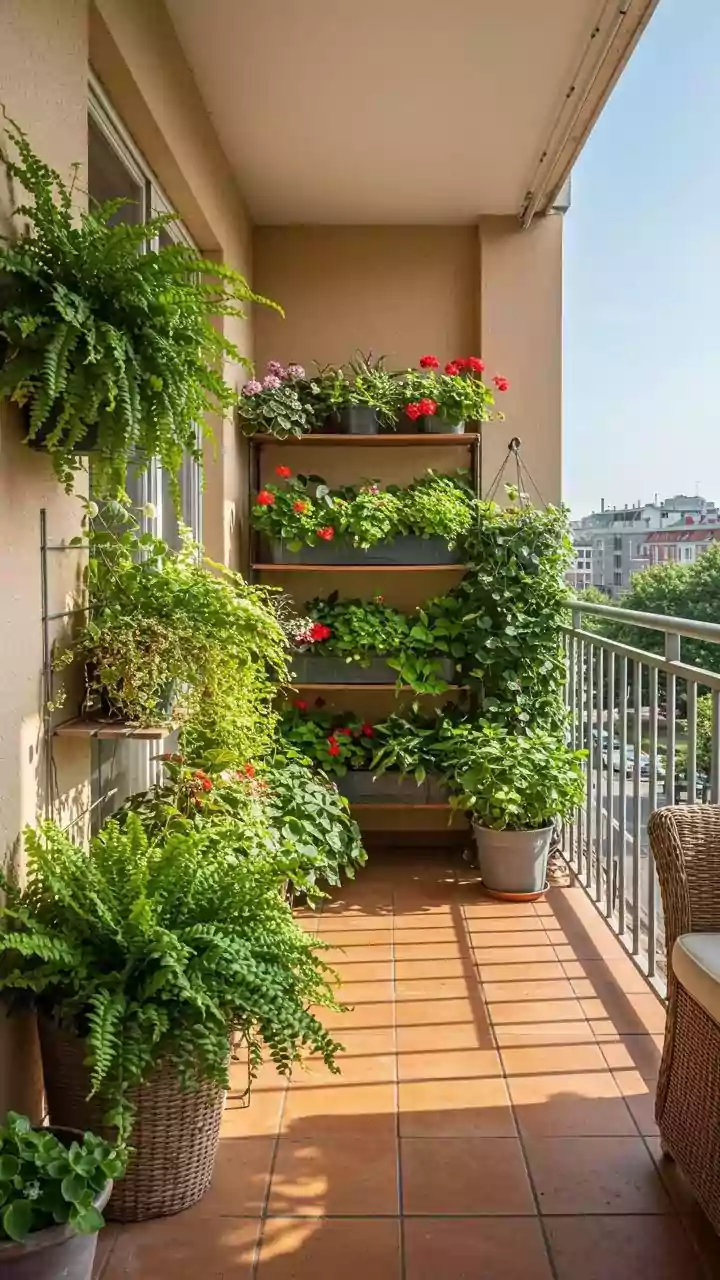
Exploring the world of tiny houses reveals a fascinating range of architectural designs and innovative approaches to space utilization. For example, some homes are built on trailers, offering mobility and flexibility, allowing residents to relocate easily and experience different locations. Other tiny homes are designed to blend seamlessly with their natural surroundings, constructed from sustainable materials and incorporating eco-friendly features such as solar panels and rainwater harvesting systems. Many of these dwellings are located in urban settings, representing a solution for affordable housing in densely populated areas. These homes often use a mix of modern and traditional building techniques, demonstrating adaptability. These tiny homes often feature large windows, maximizing natural light and creating an airy feel, even in confined spaces. The diversity in designs reflects the various cultural contexts and individual preferences of those who have embraced this lifestyle. The aesthetic varies from sleek and modern to rustic and charming, proving the versatility of the tiny house concept.
Innovative Design Features
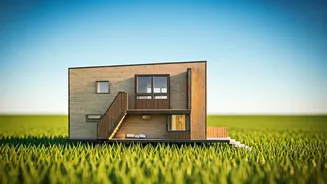
A hallmark of tiny homes is their creative approach to space management. Clever design elements are crucial to maximize functionality and livability. Multi-functional furniture is a common feature; for instance, beds that fold into walls to save space during the day, or dining tables that transform into work surfaces. Storage is meticulously planned, with built-in cupboards, drawers, and shelving that make use of every nook and cranny. Many tiny homes incorporate loft areas for sleeping or storage, taking advantage of vertical space. Smart technology is also utilized. Integrated systems manage lighting, temperature, and security, creating a convenient and comfortable environment. The efficient use of natural light is emphasized through the strategic placement of windows and skylights, which make the space feel larger and more open. Interior designs also reflect a minimalist aesthetic, with neutral color palettes and simple decor to prevent the space from appearing cluttered. The integration of all these design elements contributes to the overall appeal and efficiency of tiny homes.
Diverse Tiny Houses
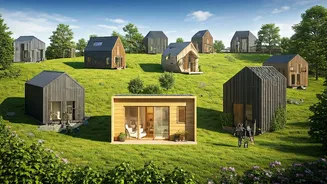
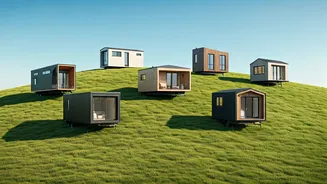
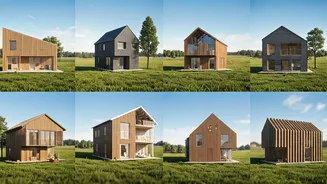
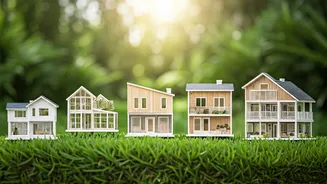
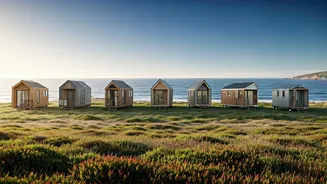
The spectrum of tiny homes is vast, spanning different styles, locations, and construction methods. Some of the smallest homes worldwide include a home in Poland, which measures only 7 square meters, and a home in Tokyo, Japan, which utilizes every inch of its 9 square meters for maximum utility. Some are customized from shipping containers. Others are designed to blend with the natural environment, utilizing sustainable materials such as reclaimed wood and recycled components. There are tiny houses built on wheels, offering nomadic lifestyles and the freedom to move and explore. The locations of these homes vary from bustling city centers to serene countryside settings. These homes demonstrate that the tiny house movement is global, and it is flexible and adaptable to various cultures and climates. These homes are a testament to human creativity and ingenuity, showing that comfort and style are not dependent on size.
Benefits of Tiny Living
Adopting a tiny house lifestyle offers many advantages. One of the main benefits is the reduced financial burden; tiny homes usually require less investment than conventional homes, and ongoing costs like utilities and property taxes are also lower. This can allow homeowners to become debt-free sooner, and give them more financial freedom. Tiny living encourages a more sustainable lifestyle. The smaller footprint results in lower consumption of resources, leading to reduced carbon emissions and environmental impact. The focus on decluttering and simplifying possessions promotes mindfulness and a greater appreciation for experiences over material goods. Tiny house dwellers often report a stronger sense of community as they connect with like-minded individuals who share similar values. The mobility of some tiny homes also offers the opportunity to travel and explore new places, fostering adventure and personal growth. The lifestyle supports a balance between work and leisure, providing individuals with the time and resources to pursue passions and enjoy life to its fullest extent. This offers greater overall satisfaction and well-being.
Challenges of Tiny Homes
While the tiny house movement offers many benefits, it also presents certain challenges. One significant hurdle is the availability of suitable land and the associated zoning regulations. Many municipalities have not yet adapted their building codes to accommodate these smaller dwellings, making it difficult to find legal and approved locations. Living in a small space requires a considerable adjustment. It needs careful planning to manage storage and daily activities, which is especially challenging for families. The limited square footage can lead to lifestyle changes, as homeowners may need to let go of material possessions and embrace a more minimalist lifestyle. Accessing basic amenities can also be difficult, as tiny homes frequently lack traditional features. The resale value of tiny homes is still being established, making it a challenge to assess their long-term investment potential. The challenges can vary from one location to another. Despite the difficulties, the tiny house movement keeps evolving, and new solutions are continuously emerging to make this lifestyle accessible and sustainable.