
Acreage on the Rise
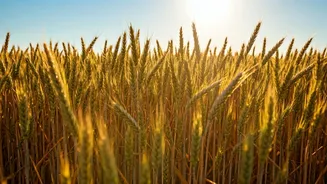
Recent data reveals a considerable expansion in the area allocated for wheat cultivation across India. This upward trend in wheat acreage is a critical
indicator of the potential for a bumper crop in the upcoming harvest season. The increased area under cultivation directly translates into a higher likelihood of substantial wheat output, which is a key factor in ensuring national food security. This expansion is likely driven by a combination of favorable weather conditions, government incentives, and the overall profitability of wheat farming for many farmers. The government's policies to support agriculture have played a crucial role. Subsidies on fertilizers, irrigation, and other inputs are encouraging farmers to expand their wheat acreage. Furthermore, a stable and relatively high market price for wheat is making it an attractive crop option for many cultivators, encouraging them to increase their plantings and, consequently, their potential yields. These collective drivers are setting the stage for a positive outlook on the wheat harvest in the near future.
Impact on Production
The increase in wheat acreage is directly linked to an anticipated rise in overall wheat production within India. When more land is dedicated to wheat cultivation, it generally results in higher yields, provided that other factors like weather and pest control remain within normal parameters. Experts are cautiously optimistic, expecting a significant boost in the total wheat output compared to previous years. This increase in production will have several benefits. Firstly, it ensures sufficient domestic supply, reducing the need for imports and stabilizing prices. Secondly, it could provide opportunities for exports, allowing India to strengthen its position in the global wheat market. The overall consequence of higher production would be a more stable food supply and the potential for increased farmer incomes. Proper storage facilities and efficient distribution networks will be crucial to manage the increased output effectively and avoid any wastage, ensuring that the benefits of the bumper crop reach consumers nationwide and potentially those abroad.
Food Security Boost
The growth in wheat acreage and the expected increase in production are significant steps towards enhancing food security within India. Wheat is a staple food for a large portion of the Indian population, and a plentiful supply at stable prices is crucial to ensuring adequate nutrition and preventing food shortages. By increasing domestic wheat production, the nation reduces its dependence on external sources, making the food supply more resilient to global market fluctuations and geopolitical instability. A secure wheat supply also plays a vital role in supporting various government programs aimed at providing food assistance to vulnerable populations. These programs rely on a consistent supply of wheat to provide food security. The overall impact on food security will be substantial, with a greater availability of wheat that can lead to lower prices and better access for a wider section of society. This improvement not only helps meet the dietary needs of the people but also safeguards the nutritional standards across the country, especially amongst the lower-income groups.
Economic Implications
The positive trend in wheat acreage and the consequent production boost carry significant economic implications for India. A strong wheat harvest has the potential to positively impact various sectors of the economy, beginning with the agricultural sector itself. Increased wheat production means higher revenues for farmers, stimulating rural economies. This can lead to increased investment in agriculture, improving infrastructure, and supporting the creation of more jobs in rural areas. Furthermore, a stable supply of wheat keeps prices stable, which, in turn, helps control inflation and stabilizes the economy. This positive scenario can also attract investment in the food processing industry, expanding job opportunities in the related sectors. The success of the wheat harvest will contribute to overall economic growth by improving rural incomes, stabilizing food prices, and creating opportunities for growth in other sectors. Consequently, this will likely have a long-term positive effect on economic stability and sustainability.
Challenges and Outlook
While the increased wheat acreage presents a favorable outlook, it is essential to consider potential challenges. Adverse weather conditions, such as droughts, floods, or extreme heat waves, can impact yields. Pests and diseases also pose a threat to wheat crops, and effective pest management strategies are crucial. The government should focus on improving irrigation infrastructure and providing timely advisory services to farmers. Addressing these challenges through proactive measures will be very important. If the challenges can be managed effectively, the outlook for the Indian wheat harvest remains optimistic. With the combined efforts of farmers, policymakers, and agricultural experts, India is well-positioned to achieve a robust wheat harvest, contributing significantly to food security, economic stability, and overall national development. The coming months will be critical to monitor progress, address issues, and ensure that the positive trends translate into a bountiful harvest for India.