






The Lunar Ambition
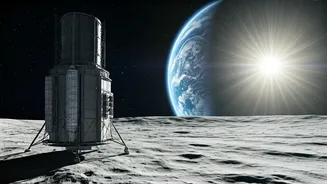
The ambitious plan to establish a nuclear power system on the Moon underscores the United States' commitment to expanding its presence in space. With a target
deployment date of 2030, this initiative marks a pivotal moment in the history of space exploration. The underlying purpose is multifaceted, primarily focusing on supporting the Artemis missions, which aim to put humans back on the lunar surface. Furthermore, the nuclear reactor is intended to serve as a crucial stepping stone for future explorations, particularly the much-anticipated journey to Mars. This project showcases the nation's resolve to develop the technologies needed for long-term space colonization and sustained exploration beyond Earth's orbit, symbolizing a significant leap towards a future where humanity's reach extends far beyond our planet.
A Collaborative Effort
The endeavor to place a nuclear reactor on the Moon is not a solo mission; it is a collaborative effort between NASA and the Department of Energy (DOE). This partnership signifies a unification of expertise, combining NASA's prowess in space exploration with the DOE's deep knowledge of nuclear technology and power systems. The collaboration allows for a comprehensive approach to tackling the challenges of creating and operating a nuclear power source in the harsh lunar environment. The joint venture promotes resource optimization, shared research, and the combined strengths of both agencies, thus maximizing the potential for success. The formalized partnership showcases the importance of collaboration and knowledge-sharing in such a complex and demanding undertaking, providing the foundation for innovation and the realization of ambitious space exploration goals.
Powering Artemis & Beyond
The core intention behind deploying a nuclear reactor on the Moon is to provide sustainable power for the Artemis missions. These missions represent the vanguard of returning humans to the lunar surface and establishing a sustained human presence there. The reactor will be crucial in powering various lunar activities, from scientific research and infrastructure development to human habitats and exploration vehicles. Furthermore, the choice of nuclear power is significant because it offers a reliable and robust energy source, particularly in the challenging environment of the Moon, where solar power has limitations. Beyond the Artemis program, the lunar reactor is strategically important for preparing for future missions to Mars. The technologies and experience gained from this project will undoubtedly inform and accelerate humanity's capacity to venture further into the solar system, making it an essential stepping stone for the exploration of other planets.