





Fuel Costs Skyrocket
The ongoing geopolitical tensions have sent the price of jet fuel spiraling upwards, nearly doubling from its previous average. This dramatic increase
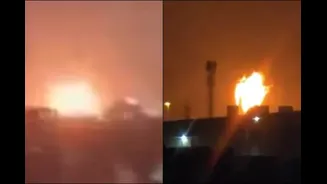
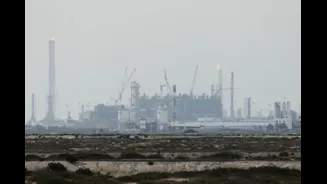
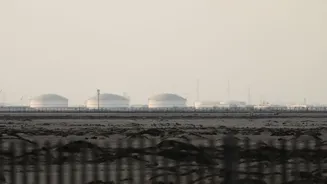
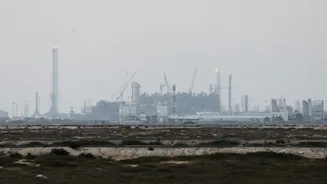
in operational expenses significantly impacts airlines worldwide, as fuel and labor are their two largest cost centers. The energy market's instability, exacerbated by potential attacks on critical gas infrastructure in Qatar and Iran, suggests this surge in fuel prices is unlikely to abate soon. Consequently, jet fuel has become a primary, if not the leading, expense for many carriers, forcing them to re-evaluate their financial models and capacity. This new cost reality directly translates to fewer flight options and higher ticket prices for passengers, fundamentally altering the economics of air travel.
Airfare Inflation Explained
Beyond soaring fuel costs, the reduction in available flight routes and the sheer volume of passengers seeking alternative travel options have driven international airfares to extraordinary heights. Airlines are employing sophisticated "dynamic pricing" strategies, which involve analyzing passenger search behavior to ascertain the maximum price an individual is willing to pay for a ticket. While this ensures seats are available for those with the most urgent needs, it can result in some business class tickets, for example, reaching prices close to A$40,000 return. This pricing model, though potentially perceived as opportunistic during a crisis, is how airlines attempt to balance supply and demand when operational predictability is compromised and demand is exceptionally high.
Route and Capacity Shifts
The current conflict has fundamentally disrupted airlines' ability to forecast costs and plan flight schedules, which are typically set months in advance. The Middle East's strategic geographical location, serving as a nexus for many international flight paths, is crucial to global air travel. However, sustained conflict threatens these advantages. If these disruptions persist, airlines based outside the affected region, particularly in Asia, may increase their capacity and offer more competitive fares to serve the surge in demand for routes to Europe, especially for travelers from Australia. This could lead to a recalibration of popular flight paths and a shift in airline dominance on key international corridors.
Complex Itineraries & Risks
For travelers seeking to mitigate rising costs, piecing together multiple single tickets on different airlines presents a potential, albeit complex, alternative. This approach can sometimes lead to cost savings and an element of adventure, but it carries significant risks. Hidden expenses such as overnight transit accommodation, multiple baggage fees, and additional meal costs can quickly erode any initial savings. Furthermore, travelers must meticulously manage visa requirements for all transit countries and remain acutely aware that self-booked multi-leg journeys offer no protection against delays or cancellations on one segment impacting subsequent flights. The "do-it-yourself" strategy requires meticulous planning and a high tolerance for potential disruptions.
Traveler Precautions
When planning travel amidst this volatile environment, purchasing flexible airfares and comprehensive travel insurance is highly recommended, despite the added expense. These provisions can offer a crucial safety net against unforeseen disruptions. For passengers already booked and anxious about their flights, airlines may offer waivers, rebooking options, or penalty-free cancellations for travel within specific periods affected by the conflict. However, if your travel dates are not yet formally impacted, it is advisable not to cancel proactively. Waiting for the airline to officially declare the flight unserviceable preserves your right to a refund, rebooking, or other accommodations at their expense.