
Rising Regional Tensions
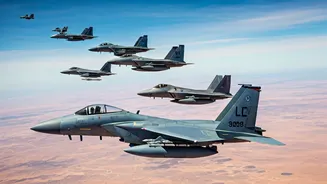
The decision to conduct the Air Force drill stems from the increasing tensions between the United States and Iran. This proactive measure reflects a strategic
approach to maintain stability in the region. Military officials have clarified that the drill is intended to test the Air Force's capacity to swiftly deploy forces and seamlessly conduct operations from a variety of potential locations. This exercise underscores the commitment of the US to ensure readiness and its capability to respond effectively to any emerging challenges in the area, signaling a firm stance in the face of ongoing geopolitical dynamics.
Enhancing Military Readiness
The primary objective of the drill is to bolster the readiness of the US Air Force. This encompasses various aspects, including the preparedness of personnel, the maintenance of equipment, and the refinement of strategic planning. By actively engaging in such exercises, the US military aims to ensure its forces are well-equipped and trained to respond to any situation that may arise. The drill provides an opportunity to identify areas for improvement and to strengthen the overall operational capabilities of the Air Force. The focus on rapid deployment highlights the importance of being able to react quickly to any potential threats or security concerns in the region.
Rapid Deployment Strategies
A core aspect of the exercise involves the testing of rapid deployment capabilities. This involves the ability to swiftly move forces and assets to various locations within the region. The drill will assess the efficiency of logistical support systems, transportation networks, and communication channels. This is crucial for maintaining a strong and responsive military presence. The ability to deploy forces quickly is essential for deterring potential adversaries and ensuring the security of US interests. The rapid deployment component of the drill underscores the importance of being able to project power and respond effectively to emerging threats.
Coordination With Allies
The exercise also emphasizes coordination and interoperability with allied forces in the region. This collaborative approach enhances the collective security posture and promotes stronger partnerships. The drill will involve joint operations, communication exercises, and shared planning, allowing the allies to work together more effectively. This collaboration reinforces the commitment of the US to regional stability and highlights the importance of allied support. Such coordination is a key factor in ensuring a cohesive and unified response to any challenges in the region, promoting peace and cooperation among the participating nations.
Multiple Contingency Locations
The drill includes the evaluation of the Air Force's capacity to function from a variety of contingency locations. This tests the adaptability and flexibility of the forces to operate from diverse environments. It assesses the availability of resources, infrastructure, and support systems at these locations. By simulating operations in various scenarios, the Air Force can refine its strategies and improve its operational efficiency. This aspect of the drill is vital for ensuring the ability to respond effectively, regardless of the operating environment, and for maintaining a consistent presence in the region to support a wide range of operational requirements.