



Global Affairs Overview
International news continually evolves, reflecting shifts in political landscapes, economic trends, and social dynamics. Recent developments highlight
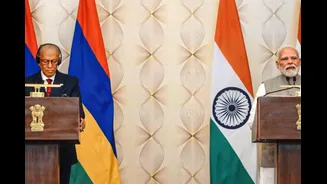
the complexities of global cooperation and conflict. Events range from diplomatic discussions and trade agreements to humanitarian crises and armed conflicts, each carrying unique repercussions. These developments often impact international relations, shaping alliances, trade policies, and humanitarian efforts. Media coverage frequently emphasizes the importance of understanding global issues to navigate an increasingly interconnected world. The interplay of various actors – governments, international organizations, non-governmental entities, and individuals – determines the trajectory of events, underscoring the need for vigilance and informed perspectives on global affairs. Analyzing these events is critical for understanding current events and making future plans.
Economic Trends Shaping
Economic indicators reveal significant international trends, highlighting fluctuating markets and strategic economic shifts. Trade agreements continue to play an important role, influencing the dynamics between various nations. The rise of new markets and the impact of technological advancements create both opportunities and obstacles for economic growth globally. Financial institutions and international organizations often respond to these patterns through various policy adjustments, including interest rate decisions and the regulation of financial flows. Understanding these trends requires careful consideration of the factors that lead to inflation, unemployment, and other economic challenges. Analysis includes considering the interconnectedness of economies and the influence of globalization. Experts frequently analyze economic data and forecast future outcomes, helping stakeholders make decisions and navigate changes.
Political Landscape Shifts
The political arena has seen numerous shifts across various regions. Elections and shifts in government policies can trigger immediate effects, and they also shape long-term trajectories. Diplomatic relations among nations are continuously evolving, sometimes leading to agreements and collaborations, or alternatively, to confrontations and escalating tensions. Internal political dynamics, including the activities of political parties, civil society organizations, and public opinion, often influence national and international policy. Analyzing these shifts involves assessing the ideologies, strategies, and actions of key political actors, from political leaders to grassroots movements. The impact of these movements can have profound effects on global stability and governance.
Humanitarian Crisis & Relief
International news often focuses on humanitarian issues, emphasizing the effect of conflicts, natural disasters, and global health crises. Humanitarian organizations are frequently at the forefront, providing aid and assistance to those in need. These events often lead to displacement, food insecurity, and health emergencies, affecting vulnerable populations. The response from governments and international organizations plays a vital role in coordinating relief efforts and ensuring aid delivery. Furthermore, addressing the root causes of humanitarian crises is essential for long-term solutions, which can involve diplomacy, development aid, and advocacy efforts. The media plays an important role in highlighting these crises, which helps to increase awareness and mobilize resources.