







Global Leaders' Love
The love for Indian cuisine extends far beyond its borders, as demonstrated by the experiences of global leaders. Recently, the Japanese Ambassador's enjoyment
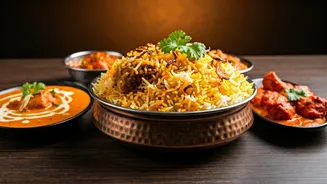
of biryani, eaten with bare hands, is a testament to the dish's irresistible allure. This instance, along with previous examples, highlights the welcoming embrace of Indian culture and its delicious flavors by international figures. Such instances reveal the cross-cultural appeal and the impact of Indian food on a global level. These moments reflect an appreciation for Indian culinary traditions, and contribute to the understanding and celebration of its rich food heritage.
Chicken Dish Recognition
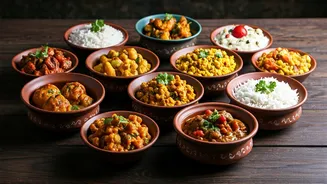
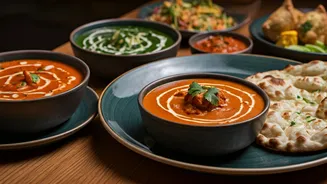
Indian chicken dishes have also gained global acclaim, further showcasing the strength of Indian culinary contributions. Specifically, two Indian chicken dishes have been acknowledged as some of the best worldwide, securing their positions within the top 17 globally. This recognition underscores the skill and artistry found in Indian cooking, highlighting the use of spices, cooking methods, and flavor combinations that define the cuisine. The award reflects a broader appreciation for the country's culinary traditions, highlighting its capacity to create dishes that resonate on a global scale.
Biryani's Popularity
Biryani, a rice-based mixed dish, exemplifies the global appeal of Indian food. The Japanese Ambassador's experience with biryani, eating it with his bare hands, shows how the dish is enjoyed across cultures. This act indicates more than a meal; it's a cultural exchange, demonstrating the ease with which Indian food and its traditions are accepted and loved globally. Biryani is not merely a dish; it is a symbol of India's culinary influence and its capacity to transcend boundaries, bringing people together through taste and tradition.
Culinary Diplomacy
The consumption of Indian food by global leaders, such as the Japanese Ambassador's biryani experience, is a form of culinary diplomacy. It highlights how food can act as a bridge between cultures and nations. It promotes understanding, cultural exchange, and goodwill. These instances go beyond simple dining experiences; they symbolize a larger embrace of Indian culture. Through the simple act of enjoying Indian cuisine, these leaders contribute to a broader sense of global unity and appreciation for the nation's rich culinary legacy.