
Rice's Nutritional Profile
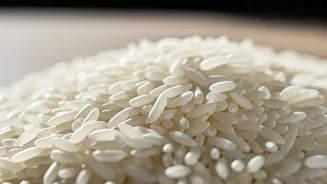
White rice, a staple in many cultures, is essentially a refined grain. This refinement removes the bran and germ, which are present in brown rice. The
bran and germ contain fiber, vitamins, and minerals. White rice primarily provides carbohydrates, offering a quick source of energy. It has less fiber, protein, and some micronutrients compared to its whole-grain counterpart. This absence of fiber means white rice is digested faster, potentially leading to quicker spikes in blood sugar levels. However, it can also be enriched with vitamins and minerals during processing, boosting its nutritional value. Its digestibility makes it a good option for people with certain digestive issues. Portion control and what you eat it with play a crucial role in its overall impact on your health.
Glycemic Index Explained
The Glycemic Index (GI) is a system that ranks carbohydrates based on how quickly they raise blood glucose levels. White rice has a high GI. This means it can cause a more rapid increase in blood sugar compared to foods with a low GI. When we consume white rice, our body quickly breaks it down into glucose, which is then absorbed into the bloodstream. This rapid absorption can lead to a surge in insulin, the hormone responsible for transporting glucose into cells for energy or storage. Frequent and large spikes in blood sugar, and the associated insulin surges, can, over time, contribute to insulin resistance. Insulin resistance is a condition where cells become less responsive to insulin, which can lead to increased fat storage and, potentially, weight gain. The speed with which white rice affects blood sugar is an important factor in understanding its impact on our weight.
Portion Control Matters
One of the most crucial elements in managing weight when consuming white rice is portion control. The amount of rice you eat significantly impacts how it affects your body. Consuming excessive portions of any food, including white rice, can lead to a surplus of calories. This excess calorie intake, not burned through activity, is what drives weight gain. Aiming for moderate servings can mitigate the potential negative effects. It is often recommended to use smaller plates or bowls to help with portion control. Being mindful of the quantity is key. A balanced meal should include other components, such as protein and fiber, to slow down digestion and stabilize blood sugar. Paying attention to portion sizes helps ensure that you enjoy white rice without risking unwanted weight gain.
Pairing Rice Wisely
How you eat white rice can drastically alter its impact on your weight. Pairing white rice with other foods can affect how your body processes it. Combining it with protein and healthy fats helps slow down the digestion of carbohydrates, moderating the rise in blood sugar levels. Protein and fats also make you feel fuller for longer. Including fiber-rich vegetables in your meal is another smart strategy. Fiber slows down the absorption of glucose. Consider adding a lean protein source like grilled chicken, fish, or legumes, alongside a generous portion of colorful vegetables. Such pairings help create a balanced meal, reducing the likelihood of blood sugar spikes and aiding in weight management. These choices can transform white rice from a potential weight-gain concern into part of a healthy diet.
Rice vs Other Grains
When assessing the role of white rice in a healthy diet, it's helpful to consider it in relation to other grains. Brown rice, a whole grain, offers more fiber, vitamins, and minerals compared to white rice. It is digested slower, leading to a more gradual rise in blood sugar levels. Whole grains, in general, are usually considered a healthier option due to their superior nutritional profile. Alternatives like quinoa, oats, and barley also provide more fiber and nutrients. However, white rice can still be part of a balanced diet. Its ease of digestion makes it suitable for individuals with digestive sensitivities. Ultimately, the best grain choice depends on individual needs, preferences, and health goals. Diversifying grain intake often leads to a more balanced nutrient intake and better overall health.
Lifestyle Considerations
Beyond dietary choices, lifestyle factors significantly affect weight management. Regular physical activity plays a pivotal role in burning calories and improving metabolic health. Exercise enhances insulin sensitivity and helps regulate blood sugar. A well-rounded approach to healthy eating combines regular exercise with mindful dietary choices. Getting enough sleep is another important aspect, as sleep deprivation can disrupt hormones that regulate appetite and metabolism. Managing stress levels is also key. Chronic stress can lead to increased cortisol levels, which can impact weight. These lifestyle choices work synergistically with dietary choices. By prioritizing overall health, individuals can more effectively manage their weight. White rice can then be integrated in a manner that supports these overall goals.
Expert Recommendations
Dietitians and nutritionists often provide guidance on incorporating white rice into a diet. Their recommendations typically center around portion control, mindful eating, and balanced meals. They often suggest pairing white rice with protein, healthy fats, and fiber-rich vegetables. Consulting with a healthcare professional or registered dietitian for personalized advice is always a good idea, as they can tailor recommendations to individual health needs and goals. This ensures that the advice takes into account unique dietary needs, medical history, and lifestyle factors. Following expert advice helps individuals make informed decisions and enjoy food while prioritizing their well-being. This expert guidance empowers people to make informed dietary choices.