









Initial Incident Overview
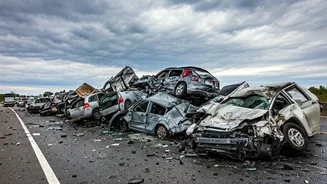
The incident on I-196 near Hudsonville involved an alarming number of vehicles, exceeding one hundred in total. The collision caused significant disruption
on the highway, with early reports and visual documentation quickly spreading across various media channels. These initial reports and subsequent video footage revealed the extent of the damage and the potential for severe consequences. The scale of the accident was immediately apparent, marking it as a significant event requiring extensive emergency response and recovery efforts. Authorities faced the complex task of securing the scene, assisting the injured, and beginning the investigation into the cause of the mass collision.
Visuals of the Scene
The visuals emerging from the scene painted a grim picture of the situation. Videos and photographs showcased the widespread damage, with vehicles crumpled and scattered across the highway. The footage quickly became a focal point, as it provided a clear view of the wreckage and the severity of the accident. These visuals served to convey the scale of the incident to the public and underscored the need for caution. The images were also instrumental in the emergency response, helping rescuers understand the extent of the challenges they would face in providing aid to those involved. The visuals also captured the weather, which likely played a role, with some reports suggesting poor visibility or icy conditions.
Impact and Aftermath
The aftermath of the Hudsonville car pile-up was characterized by significant disruption and the mobilization of emergency services. Road closures were immediately implemented, leading to major traffic delays and inconveniences for many. The response teams faced the challenging task of managing the scene, assisting the injured, and beginning the process of clearing the road. The incident also sparked public discussions about road safety and the conditions that may have contributed to the accident. Many people also voiced support for those affected, reflecting a sense of community concern following the devastating event. Furthermore, the incident raised questions about the preparedness of the area for such large-scale events and the measures that could be taken to prevent similar occurrences in the future.
Possible Contributing Factors
Several factors may have contributed to the massive pile-up on I-196. Weather conditions, especially reduced visibility due to fog, snow, or ice, are often a primary cause in such multi-vehicle accidents. The role of driver behavior, including speed and following distance, is also of critical importance. Furthermore, the volume of traffic on the highway at the time of the collision may have played a significant role. The investigation, which would follow, was expected to thoroughly evaluate these and other potential factors to determine the precise circumstances leading to the accident. It is important to note that a thorough investigation is usually required to fully understand all contributing factors, allowing for recommendations to prevent similar events from occurring again.
Lessons and Prevention
The Hudsonville car pile-up offered significant lessons concerning road safety, urging the public and officials to review preventive measures. Heightened awareness of adverse weather conditions, and making adjustments to driving behaviour, are crucial. Additionally, regular vehicle maintenance can help, as can ensuring that drivers maintain a safe following distance. Traffic management systems and road design could be improved to mitigate risks. Public awareness campaigns and driver education programs can also play a vital role in preventing accidents. The aim is to make roadways safer through these measures, ensuring fewer incidents that lead to severe outcomes like the I-196 pile-up.