






Introduction to Aloo Sabji
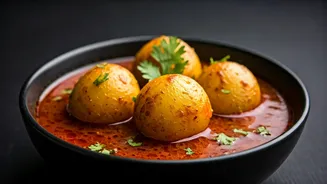
Aloo Sabji, a staple in Indian cuisine, transcends mere sustenance; it's a sensory experience. Often served with puri or paratha, this potato-based curry
is a crowd-pleaser, particularly enjoyed at breakfast or as a side dish. The dish's popularity stems from its simplicity and adaptability, readily available at sweet shops and home kitchens across India. The secret to an authentic Halwai-style Aloo Sabji lies in the technique and the blend of spices. This guide aims to demystify the process, empowering home cooks to replicate this delightful dish.
Essential Ingredients Needed
To embark on this culinary journey, gather the following key ingredients: potatoes, the star of the dish, need to be of a suitable variety that holds its shape when cooked. Tomatoes, finely chopped, add a tangy base, while onions, also finely chopped, provide depth of flavor. A blend of spices is essential, including turmeric powder for color and its health benefits, red chili powder for a touch of heat, coriander powder for aroma, and garam masala to complete the flavor profile. Other crucial ingredients are ginger-garlic paste for an aromatic base, green chilies for extra spice, and fresh coriander leaves for garnish.
Preparing the Potatoes
The potatoes are central to the Aloo Sabji experience, so their preparation is vital. Begin by washing and boiling the potatoes until they are tender but still firm. The firmness will help maintain the potato shape in the curry. Once boiled, peel the potatoes and dice them into bite-sized pieces; alternatively, they can be roughly mashed. This allows them to absorb the flavors of the spices and tomatoes, delivering the texture and taste expected of Halwai-style Aloo Sabji. Careful handling and controlled cooking are key to avoid a mushy texture.
Sautéing the Aromatics
The preparation of the masala, or spice base, is a foundational step. Heat oil in a pan, and add the finely chopped onions. Sauté until golden brown, ensuring they caramelize slightly for enhanced flavor. Then, add the ginger-garlic paste and green chilies, sautéing until the raw aroma dissipates. Next, incorporate the chopped tomatoes, cooking them until they soften and blend with the onion mixture. This step is critical; it creates a savory foundation that blends well with the potatoes. Patience here is crucial.
Adding the Spices
Once the aromatics are ready, it's time to add the flavor-packed spices. Incorporate turmeric powder, red chili powder, coriander powder, and garam masala into the tomato-onion mixture. Stir well to ensure the spices are evenly distributed, and sauté for a short while to release their aromas. Add a splash of water to prevent the spices from burning, then cook the spices for a minute. The goal is to bloom the spices, coaxing out their individual characters, which merge to create the depth of taste characteristic of this sabji.
Integrating the Potatoes
Gently fold the prepared potatoes into the spiced masala. Make sure the potatoes are coated completely with the spice mix. It's important to stir delicately to avoid mashing the potatoes further. Add salt to taste. Allow the flavors to meld together, simmering the sabji gently. If a slightly thicker gravy is preferred, mash some of the potatoes to thicken the base. Be sure to keep an eye on the consistency and add water as needed to prevent the sabji from drying out.
Final Touches and Serving
Once the Aloo Sabji has simmered, check for seasoning, adjusting salt and spices to your liking. Garnish generously with fresh coriander leaves, finely chopped, which impart a vibrant freshness. The sabji is ready to be served hot. Traditionally, Aloo Sabji is enjoyed with fluffy puris or soft parathas, offering a delightful contrast of textures and tastes. It is also an excellent accompaniment with rice. This dish can be enjoyed on its own as a fulfilling meal.
Tips for Perfection
To elevate your Aloo Sabji, several tips can assist. Selecting the right type of potato is the first step; waxy potatoes hold their shape when cooked. Sauté the onions until they turn a beautiful golden brown color, which signifies the development of deep flavor notes. Be cautious with the spices, adjust chili powder to your taste. Using fresh ingredients, especially ginger, garlic, and coriander leaves, improves the taste. Do not rush. Allow adequate time for the spices to bloom. Remember that it's all about enhancing the inherent goodness of the potatoes with spices.