
Damage Control Begins
In the wake of the fatal shooting of Alex Pretti, the Trump administration found itself in crisis management mode. Initial reports from administration officials
were soon challenged by video evidence, which showed Pretti holding a phone rather than a weapon, contradicting the official account of self-defense. This incident, combined with the earlier shooting of Renee Good by an ICE officer, sparked intense public anger and calls for accountability. The White House, realizing the potential damage to its immigration agenda, initiated a series of strategic maneuvers to contain the fallout. These included internal discussions, adjustments to operational tactics, and a shift in the administration's public narrative. The incident became a focal point, forcing the administration to reassess its strategies and adapt to the changing political climate.
Behind Closed Doors
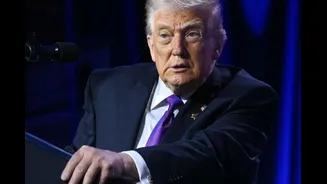
Behind the scenes, the administration grappled with the implications of the shooting. Discussions included reducing the number of federal agents deployed in Minneapolis and recalibrating the ICE mission to focus on deportations. The President reportedly considered requiring immigration officers to wear body-worn cameras. The typically combative Trump adopted a more conciliatory tone, describing meetings with Governor Tim Walz and Mayor Jacob Frey as productive. This represented a stark contrast to previous exchanges. Deputy Chief of Staff Stephen Miller's initial labeling of Pretti as an "assassin" and Bovino's suggestion that officers intended to "massacre" citizens underscored the initial, combative approach. Senior aides were asked not to target Pretti publicly. The focus shifted towards damage control as public support for aggressive immigration tactics began to wane.
Personnel Changes Unfold
As part of the damage control strategy, the administration made key personnel changes. Tom Homan was set to take over the President's sweeping immigration operation in Minneapolis, replacing Border Patrol official Gregory Bovino. Bovino, who had led much of the crackdown in Democratic-led cities, was expected to depart. Some reports indicated he was being relieved of his duties, while DHS spokesperson Tricia McLaughlin disputed this, maintaining that Bovino had not been relieved. Regardless, the move signaled a shift in leadership and a reevaluation of operational tactics. Bovino was reportedly being reassigned to his previous position as a chief patrol agent before retiring soon after. This reshuffling was a clear indication of the administration's attempt to stabilize the situation and mitigate the political fallout resulting from the Pretti shooting.
Legal & Political Fallout
The shooting triggered legal actions and intensified political pressure. The acting head of US Immigration and Customs Enforcement, Todd Lyons, was ordered to appear for a contempt hearing. Minnesota's chief federal judge issued the order after the agency was found to have failed to comply with court orders regarding bond hearings for detainees. The shooting had a significant political impact. A leading Republican candidate for governor, Chris Madel, dropped his bid, citing the crackdown's excesses. Even some Republicans in Congress called for investigations. This erosion of support, coupled with the Reuters/Ipsos poll data indicating waning public support, suggested that the incident could derail the administration’s immigration agenda, particularly in the upcoming midterm elections.