







The Calorie Bomb Snack
While nuts and dried fruits are celebrated for their nutritional value and convenience, a common misconception is that their healthy nature permits unlimited
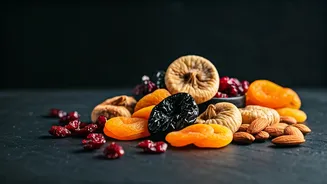
consumption. This can lead to unintended calorie intake, potentially sabotaging dietary objectives. Dr. Anshuman Kaushal, a surgeon at Apollo Hospitals, emphasizes that even naturally beneficial foods require mindful portioning. He illustrates this with the relatable scenario of late-night snacking, where a handful of almonds, cashews, and raisins, perceived as a healthy choice, can actually amount to a "decorated calorie bomb." The core issue isn't metabolism but rather a lack of adherence to appropriate serving sizes, making portion control paramount for anyone aiming to manage their intake effectively and harness the true advantages of these nutrient-dense foods without adverse consequences.
Wise Nut Choices
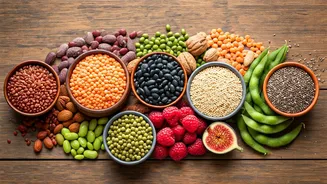
Dr. Kaushal categorizes nuts and dried fruits to guide consumers effectively. Within the 'Right Portions' group, specific daily allowances are recommended for maximum benefit and minimal calorie overload. For almonds, a daily intake of 5 to 7 pieces is advised; these are rich in Vitamin E and magnesium but are calorie-dense. Walnuts, lauded for their omega-3 fatty acids crucial for brain health, should be limited to 2 whole nuts (which equates to 4 halves). For seeds like chia or flax, a single teaspoon is sufficient to provide essential fiber and healthy fats. This strategic approach ensures that the body receives valuable nutrients without exceeding recommended calorie counts, underscoring the principle that moderation is key, even with the most beneficial foods.
Beware 'Imposter' Snacks
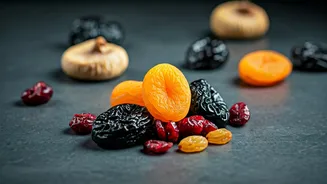
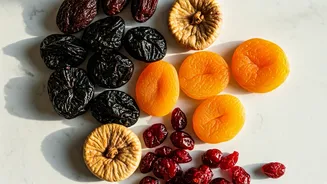
Certain dried fruits and nuts, while appearing healthy, fall into an 'Overrated Ones' category due to specific nutritional compositions that warrant caution. Raisins, for instance, are exceptionally high in sugar, packing around 65 grams per 100 grams, making them less of an ideal iron source than often assumed. Cashews, while offering benefits, are easy to overconsume and possess a higher fat content, suggesting they should be enjoyed only occasionally. Dates, particularly the Medjool variety, are concentrated sources of quick energy but also contain a significant amount of sugar; a single Medjool date can have as much as 16 grams of sugar, making it easy to consume more than intended. These items require careful consideration regarding frequency and quantity to maintain a balanced diet.
Hidden Sugar Traps
The 'Sneaky Ones' category highlights processed or flavored nut products that can be deceptively unhealthy. Items like honey-roasted almonds or various flavored trail mixes often appear as convenient, healthy snacks, but they frequently contain substantial amounts of added sugars and artificial ingredients. This practice contributes to the 'health halo effect,' where the perceived healthiness of a food leads individuals to eat more of it without tracking their consumption. Dr. Kaushal points out that the belief that something is healthy can make us disregard its calorie content, leading to the misconception that 'guilt-free' snacking is also 'calorie-free.' It is crucial to scrutinize ingredient lists for hidden sugars and unhealthy additives in such products.
The Golden Rule
The overall message from Dr. Kaushal is clear: nuts and dried fruits are beneficial when consumed like medicine – in the right dose. Exceeding the recommended amount can indeed have adverse effects on one's health and diet goals. To simplify this, he offers a straightforward daily guideline: a combination of 5 almonds, 2 walnuts, and 1 teaspoon of seeds constitutes an adequate and healthy daily intake. Adhering to this simple rule ensures that individuals can consistently enjoy the nutritional advantages of these foods without succumbing to overconsumption, thereby maintaining a balanced and health-conscious dietary pattern.