



Unrest and Reactions
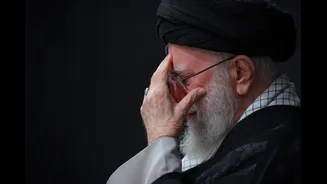
The events in Iran sparked global attention, with reports highlighting the escalation of protests. Maria Shakeel's reporting indicated a rise in unrest,
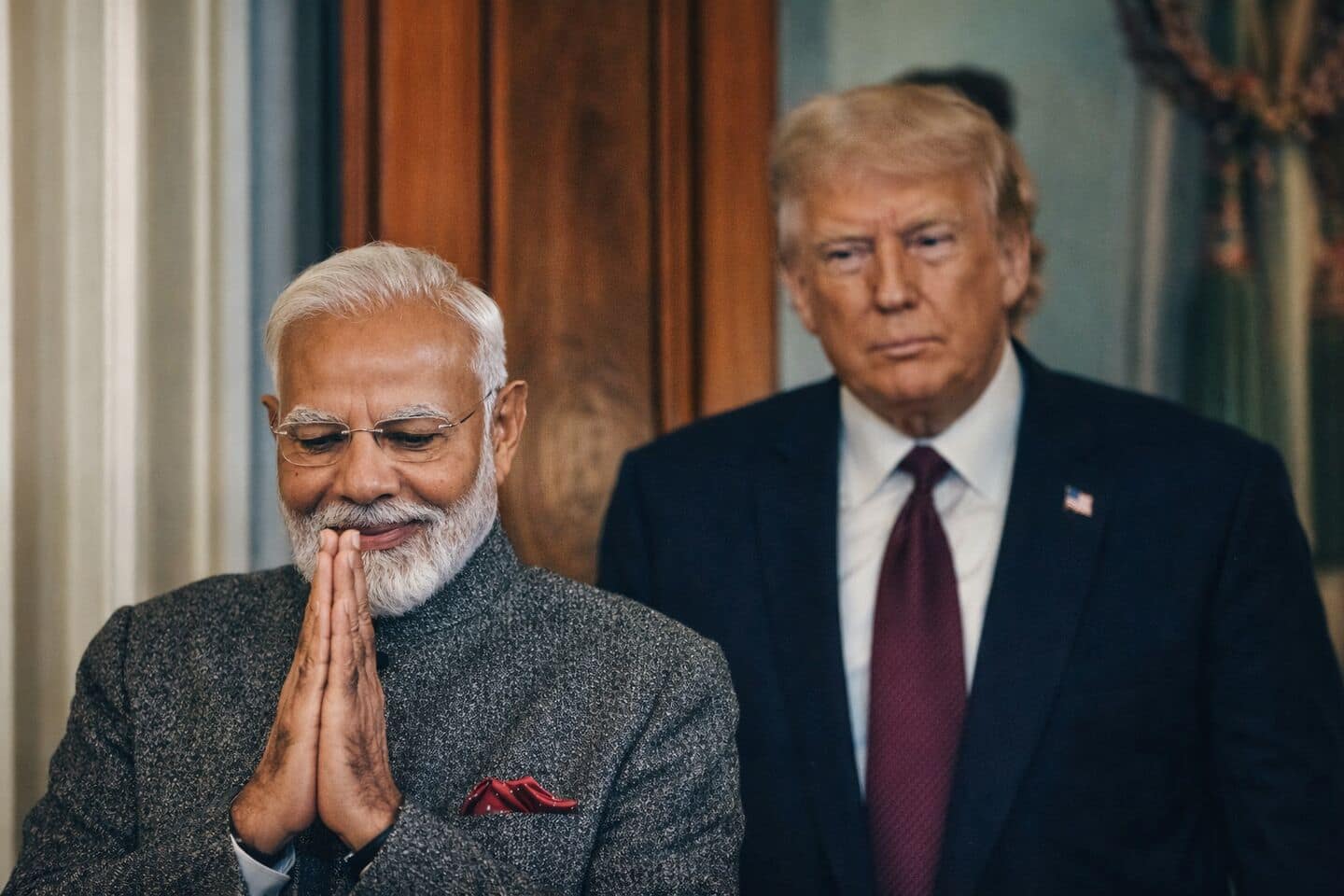
further complicated by former US President Donald Trump's warning about 'strong options' and potential tariffs. This situation placed India in a challenging situation as they were forced to take a side in the conflict. Qatar also announced its support for de-escalation efforts amid the US's economic threats against trading partners of Iran. Masih Alinejad characterized the situation as a revolution, accusing the Iranian regime of engaging in conflict against unarmed civilians. These developments highlighted the need for strategic consideration on the part of involved nations.
India's Strategic Approach
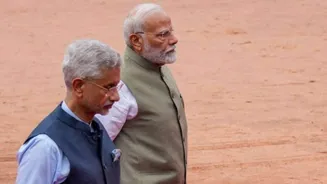
India's foreign policy has often aimed at maintaining strong relationships with all key players, including both the US and Iran. Navigating the current tensions, India would need to balance its strategic interests. This involves carefully assessing the potential impact on trade relations with both nations. India has major economic ties to Iran, especially concerning energy imports, so any significant shift could have ramifications. Furthermore, security concerns arise due to the proximity of the region. India would need to continue its diplomatic efforts to promote stability and peaceful resolutions. These efforts are crucial to safeguarding its long-term interests and regional stability.
Trade and Economic Ties
Trade plays a major role in how India interacts with both the US and Iran. Historically, India has had a substantial trade relationship with Iran, particularly in the realm of crude oil and other commodities. The US sanctions against Iran created a challenge, which forced India to carefully manage its trade activities. India has explored ways to continue trade while complying with international regulations. The US holds a significant economic relationship with India as well, and any action that could harm this must be carefully considered. India would likely strive to create strategies that accommodate both its trade ties with Iran and its economic relationship with the US, ensuring a balanced approach to minimize any adverse economic outcomes.
Security Considerations
Security is another important aspect of India's stance in this evolving scenario. Instability in the Middle East has implications for India's national security, particularly regarding terrorism, regional power dynamics, and maritime security. Any escalation in tensions between the US and Iran could indirectly impact India. The situation may exacerbate these threats. India is likely to collaborate with regional and international partners to promote stability. This includes initiatives like counterterrorism efforts, maintaining open communication channels, and advocating for diplomatic solutions. By prioritizing security concerns, India is trying to protect its national interests and contribute to the broader stability of the region.
Diplomacy and Dialogue
Diplomacy is a critical tool that India is expected to use to navigate this complex situation. India is known for its non-aligned foreign policy and its long-standing efforts to resolve conflicts. In the case of US-Iran tensions, India is likely to promote dialogue and negotiation. India might leverage its connections with all involved to promote communication and find ways to address any disagreements. India can also support de-escalation efforts through various platforms, and encourage peaceful resolutions. India’s diplomatic actions will aim to preserve stability. India can play a major role in regional mediation and confidence-building measures.