







A City Under Siege
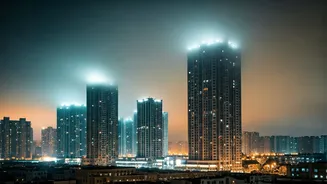
The air quality in Delhi has deteriorated significantly. The Air Quality Index (AQI) has reached a staggering 498, classifying the situation as 'Severe
Plus'. This high level of pollution necessitates immediate action and has a direct impact on the daily lives of millions of residents. The government is taking steps to mitigate the effects of the poor air quality.
Emergency Measures Implemented
As a response to the severe air pollution, the authorities have imposed 'GRAP-IV Restrictions'. These regulations, designed to curb pollution, include various measures aimed at reducing emissions from different sources. Workers are eligible to receive ₹10,000 in relief from the government during this time. The implementation of these restrictions reflects the urgency of the situation and the government's commitment to protect public health.
Causes and Consequences
The sharp decline in air quality can be attributed to several factors. These include a combination of seasonal influences, industrial emissions, vehicle pollution, and other local factors. The consequences are far-reaching, encompassing respiratory issues, cardiovascular problems, and other health risks for Delhi residents. High pollution levels can significantly affect vulnerable groups, such as children, the elderly, and those with pre-existing health conditions.
Looking Ahead: Strategies
Dealing with Delhi's air pollution crisis requires comprehensive and sustained efforts. Long-term strategies, such as promoting cleaner energy sources, enhancing public transportation, and implementing stricter emission standards for vehicles and industries, are essential. Continuous monitoring of air quality, alongside public awareness campaigns, play an important role in enabling people to protect themselves from adverse health impacts.