








Global Dependence Exposed
The COVID-19 pandemic starkly illuminated a widespread reliance on imported medical supplies, a vulnerability that persists years later amidst new health
concerns and potential geopolitical disruptions. The early days of the pandemic saw countries strategically controlling the distribution of essential personal protective equipment (PPE), with some nations receiving vital supplies while others were denied access based on political alignments. This period underscored a significant dependency for many Western nations, not only for PPE but also for critical pharmaceutical components. For instance, a significant portion of active pharmaceutical ingredients used in generic drugs in the United States originates from China, with a substantial percentage of key starting materials for U.S.-approved ingredients being solely sourced from the same country. Europe mirrors this dependency, having lost its last paracetamol manufacturing plant and possessing limited fully operational antibiotic production facilities. The United Kingdom's analysis indicates a substantial reliance on overseas manufacturing, particularly from India and China, for the majority of its medicines and their essential ingredients. This global specialization, where China leads in active ingredient export and India in finished product export, particularly for generics, has created a precarious situation where disruptions can have far-reaching consequences.
Shifting Strategies for Security
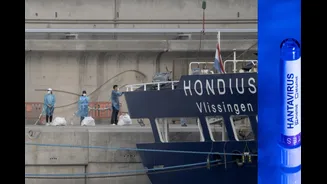
The stark lessons from COVID-19 have propelled a redefinition of healthcare as a paramount component of national security for many Western policymakers. The global landscape has evolved beyond the immediate pandemic threat, now encompassing concerns over major international conflicts and the potential for drug supply disruptions orchestrated by key exporting nations like China or India. The prospect of widespread conflict would intensify demand for medicines and medical supplies, creating direct competition between civilian populations and military forces. Simultaneously, emerging health crises, such as hantavirus outbreaks, continue to necessitate vigilance and preparedness. In response, the European Union is actively pursuing initiatives to reshore the manufacturing of active ingredients, essential medicines, and critical drugs, including antibiotics and insulin. The proposed EU Critical Medicines Act, advanced through the European Parliament and Council, aims to bolster domestic production capabilities. While the full reshoring of all pharmaceutical production is unlikely, the EU is committed to increasing the European-made share of critical medicines, even if these come at a higher cost compared to Asian imports. This strategic shift acknowledges that in an increasingly volatile world, the ability to produce vital medicines domestically is a non-negotiable aspect of national security.
Diverse Approaches to Resilience
Different nations are adopting varied strategies to enhance their healthcare resilience. Post-Brexit, the United Kingdom is focusing on collaborating with international partners to develop a diversified portfolio of medicine resilience measures, ensuring it is not left behind as other countries fortify their supply chains. The United States, meanwhile, is employing a more protectionist stance, utilizing incentives and tariffs to encourage domestic manufacturing. While tariffs have been applied, they have largely targeted branded pharmaceuticals from Europe, with generic drug production expected to remain concentrated in Asia due to significant economies of scale. The U.S. has also explored imposing substantial tariffs on imports, with specific exemptions for companies investing in domestic manufacturing plants, though the implementation of these measures has been inconsistent. Beyond manufacturing, the U.S. is also making strides in fostering biomedical innovation, investing in biotechnology and medical artificial intelligence through government funding, aiming to keep pace with countries like China, which has seen a dramatic increase in its contribution to the global pipeline of new innovative molecules. These varied national approaches reflect the complex and multifaceted challenge of building robust healthcare security in an unpredictable global environment.
The Path Forward Together
The current global climate, marked by potential wars and ongoing health emergencies, is compelling nations to urgently strengthen their healthcare security. Reversing decades of globalization-driven supply chain specialization is a formidable undertaking, fraught with complexity and time. However, amidst these challenges, there is a discernible positive trajectory for nations that prioritize collaborative and respectful international relationships. Building resilient healthcare systems is not solely an internal endeavor; it is also intrinsically linked to fostering strong alliances and dependable partnerships. As countries navigate the intricate landscape of global health security, the cultivation of robust diplomatic ties and mutual trust will be instrumental in ensuring access to essential medical supplies and fostering innovation. Ultimately, in a world grappling with interconnected threats, cooperative ventures and equitable partnerships offer the most promising avenues for achieving sustainable and secure healthcare for all.