







Curl Structure & Needs
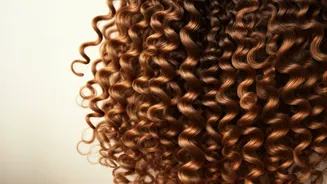
Curly hair's unique coiled shape means natural scalp oils struggle to reach the ends, leading to inherent dryness compared to straighter hair types. This
structural difference necessitates a gentler approach and increased moisture. While often perceived as demanding, experts clarify that 'high maintenance' for curls translates to specific care requirements like careful detangling, effective frizz protection, and less frequent washing, rather than an overwhelmingly complicated regimen. The key is understanding that curls need more assistance in retaining hydration and managing their texture, which often leads to a departure from the simple wash-and-go routines associated with straight hair. This fundamental difference in how hair strands are formed is the root cause of varied care needs.
Social Media's Influence
The perception of intricate curly hair routines has been significantly amplified by social media, where beauty content often showcases elaborate multi-step processes. Experts point out that this trend is partly driven by the desire to create visually appealing content, leading to an exaggeration of complexity. It's crucial to recognize that hair care is highly individual; what works wonders for one person may not suit another, especially given the diverse nature of curly hair itself – from loose waves to tight coils. Factors like climate, humidity, scalp condition, and even water quality play a role in how curls behave, underscoring the personalized nature of effective curl management rather than a one-size-fits-all approach.
The Expanding Curl Market
The growing awareness and appreciation for natural textures have fueled a burgeoning global market for curly hair care products, projected to reach USD 8.6 billion by 2033. In India, this niche market is experiencing rapid expansion, with the number of available curly-hair products significantly increasing from around 75-100 a few years ago to an estimated 400-450 currently. Consumers are investing more, with an estimated spending of Rs 1,500-2,000 every two to three months by curly-haired individuals. This surge is attributed to a greater emphasis on embracing natural hair texture over chemical straightening or alterations, signaling a major shift in consumer preferences and industry focus.
Product Use & Expense
While a basic curly hair routine typically involves a cleanser, conditioner, and one styling product, the market offers a wide array of additional items like leave-in creams, deep conditioners, oils, and mousses. However, experts caution against the belief that more products equate to better hair health. Over-reliance on numerous products can lead to buildup, scalp irritation, and diminished hair vitality. Many curly hair products command higher prices due to specialized, moisturizing ingredients like shea butter and argan oil, marketed as premium. Yet, achieving healthy curls doesn't necessarily require an extensive and expensive collection; understanding individual hair needs is paramount.
Simple Curl Maintenance
Maintaining healthy curly hair can be surprisingly straightforward, involving simple yet effective practices. Key recommendations include minimizing heat styling, using microfiber towels or cotton t-shirts instead of rough terrycloth, opting for satin pillowcases, avoiding aggressive brushing, and prioritizing scalp health. A balanced diet and adequate hydration also contribute significantly to overall hair well-being. The overarching advice from experts is to focus on consistent, personalized care that addresses your specific hair requirements, rather than blindly following online trends. The goal is not a perpetually perfect social media aesthetic, but rather healthy, manageable hair that feels good.