
Trump 2.0: The Players
Should Trump secure a second term, the personnel shaping foreign policy would be critical. The 'Key Foreign-Policy Players of Trump 2.0' article suggests
a reshuffling of those in power. It's plausible that familiar faces might return, perhaps with new roles or influence. This team could bring a specific vision for global engagement, differing significantly from previous administrations. The individuals involved will influence how the United States interacts with other nations, handle international crises, and pursue its global objectives. Understanding who these key players are and their particular leanings is vital to anticipate the direction of future foreign policy decisions. Their strategies and diplomatic approaches will determine the nature of the United States' role in the world and its connections with other countries. The choices and alliances of those at the helm would play a significant role in determining how the United States navigates the complexities of global politics.
Global Hotspots in 2026
Looking towards 2026, many locations may still be facing international issues. The '10 Conflicts to Watch in 2026' article acts as a map of potential trouble spots. These areas could range from longstanding conflicts with fresh intensity to entirely new situations. These hotspots might call for substantial diplomatic activity and potentially military intervention, impacting the global balance of power and alliances. The evolution of these conflicts would directly affect U.S. foreign policy, compelling the administration to make tough decisions about involvement, support, and resource allocation. Additionally, the handling of these international issues will act as a measure of the administration's ability to maintain its global standing and promote stability in an increasingly complex world. From these ten conflicts, we can get an insight into the possible foreign policy focus of the United States.
Venezuela Under Focus
Venezuela will be an area of intense scrutiny, and its geopolitical importance could be heightened. One of the central questions concerns the fate of Venezuela's interim leader, which is covered in the article 'What to Know About Venezuela’s Interim Leader'. The United States might have a vested interest in the region's stability due to its impact on its economy. The Trump administration's approach to Venezuela, including possible interventions or actions regarding the country's oil reserves, would be carefully evaluated. The choices made on Venezuela can have a major influence on the U.S.'s relationship with other countries, in addition to establishing how other nations perceive the U.S.'s international leadership. The situation in Venezuela will highlight the administration's capacity to navigate complex international concerns, secure its economic interests, and support human rights and democratic principles.
Oil, Security, and Trade
Energy security is a significant concern, especially regarding Venezuela's oil and its implications for U.S. energy policies. The article 'Why ‘Taking’ Venezuela’s Oil Hurts U.S. Energy Security' argues against forceful actions related to Venezuela's oil resources. This could lead to a change in the approach towards international oil production and strategic reserves. These decisions could influence the United States' energy security, economic competitiveness, and overall relations with countries in the region. The choices made about Venezuela's oil will highlight how the administration manages economic issues with diplomatic objectives and national security concerns.
Global Cooperation at Risk
The possible decline of international collaboration under a new administration will have a big impact on a lot of things. The article 'Multilateral cooperation will struggle to survive in Washington’s absence' suggests that global agreements and joint efforts would be impacted. The changes in foreign aid, especially if there's an 'Epochal Shift' as indicated in 'The Trump Administration’s Epochal Shift on Foreign Aid,' would further change international relationships. As the United States pulls back, other nations might step up in taking a leadership role in global problem-solving or form alliances that are independent of the United States. The capability of the United States to address global challenges, such as climate change, health crises, and economic volatility, would be tested, as would its standing in the world.
Iran's Internal Affairs
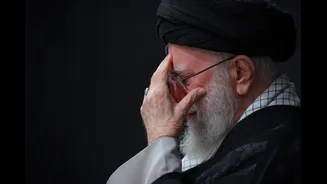
Iran is another critical area. The question of whether Iran might execute protesters, as raised in 'Will Iran Execute Protesters Despite U.S. Intervention Threats?' is a critical one. The United States' response, including diplomatic moves or any form of intervention, would be under scrutiny, as could its effect on human rights and stability. The United States' dealings with Iran will have broad implications for regional security, the balance of power in the Middle East, and worldwide relations. The administration's response will show its focus on safeguarding human rights, promoting peace, and handling strategic complexities.
A New Strategy?
The main strategy driving foreign policy will define the United States' place in the world. The article 'The Grand Strategy Behind Trump’s Foreign Policy' highlights the major ideas directing the government. The direction the administration takes, whether it leans towards realism or other strategies, is significant. The main strategy will affect alliances, foreign aid, and actions taken in response to global events. The strategy will show what the administration aims to achieve in the world and how it plans to get there. It will also influence how other nations view and engage with the United States.