


About Makar Sankranti
Makar Sankranti, observed annually, marks the Sun's transit into Capricorn. This astronomical event signifies the end of the winter season and the start
of longer days, typically celebrated in mid-January. It's a harvest festival with cultural significance across India, with regional variations in traditions and practices. People celebrate the occasion with great enthusiasm, gathering with family and friends. This festival is also an auspicious time to perform religious rituals, share sweets, and enjoy community feasts. During Makar Sankranti, many believe that taking a dip in holy rivers brings blessings. Kite flying is a popular activity, and colorful kites fill the skies, especially in Gujarat, Maharashtra, and other parts of India. Overall, Makar Sankranti symbolizes new beginnings, prosperity, and joy.
Preparing Khichdi
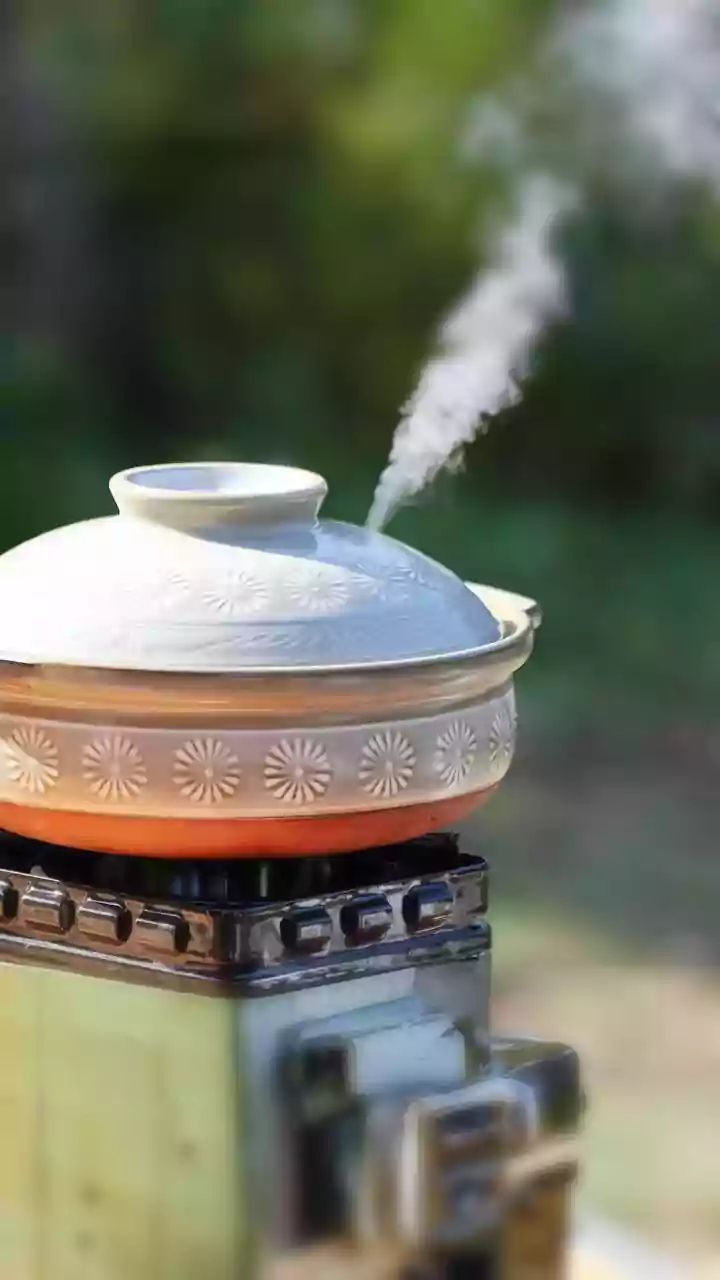
To make the traditional Moong Dal Khichdi, you'll need ingredients like moong dal, rice, ghee, turmeric powder, cumin seeds, asafoetida, ginger-garlic paste, and salt. You can also add vegetables like peas, carrots, or cauliflower, depending on your preference. First, wash and soak the moong dal and rice in water for about 30 minutes. Then, heat ghee in a pressure cooker. Add cumin seeds and asafoetida. Sauté the ginger-garlic paste. Next, add the soaked moong dal and rice and sauté them briefly. Add water, turmeric powder, and salt, mixing well. Pressure cook for about 2-3 whistles or until the Khichdi is cooked to a soft consistency. You can add chopped vegetables during the cooking for an enriched flavor and nutrients. Serve the Khichdi hot, garnished with fresh coriander leaves, and a dollop of ghee. It's a wholesome, nutritious meal perfect for Makar Sankranti.
Key Ingredients Details
Moong dal is a primary ingredient, known for its digestibility and nutritional value. Choose good-quality moong dal for the best taste and texture. Rice provides carbohydrates and energy; basmati rice adds a delicious aroma. Ghee infuses a rich flavor and helps in easy digestion. Turmeric powder adds color and has anti-inflammatory properties. Cumin seeds bring an aromatic flavor, promoting digestion. Asafoetida, a digestive aid, enhances the dish's flavor profile. Fresh ginger-garlic paste provides a fragrant base. Vegetables like peas, carrots, and cauliflower add vitamins and fiber. Always ensure your ingredients are fresh and of good quality. Fresh coriander leaves add a visual appeal and fresh taste.
Step-by-Step Cooking
Start by washing 1 cup of moong dal and 1 cup of rice thoroughly. Soak them in water for about 30 minutes. In a pressure cooker, heat 2 tablespoons of ghee over medium heat. Add 1 teaspoon of cumin seeds and a pinch of asafoetida. Sauté for a few seconds. Next, add 1 tablespoon of ginger-garlic paste and sauté until the raw smell disappears. Drain the water from the soaked moong dal and rice and add them to the cooker. Sauté for a minute. Add 4 cups of water, 1/2 teaspoon of turmeric powder, and salt to taste. Mix well. Pressure cook the Khichdi for 2-3 whistles. Let the pressure release naturally before opening the cooker. Garnish with fresh coriander leaves and a dollop of ghee before serving. This methodical approach ensures a flavorful and perfectly cooked Khichdi.
Serving Suggestions
Moong Dal Khichdi is a versatile dish, perfect on its own or with accompaniments. Serve it hot with a dollop of ghee for added flavor and richness. Pair it with raita, a yogurt-based side dish, for a cooling contrast. You can also enjoy it with papad and pickle for an added crunch and flavor. Some people like to serve Khichdi with a side of chutney, such as coriander chutney or mint chutney. The Khichdi is often a part of a festive meal, so you may serve it along with other dishes like vegetable curries and sweets. The dish is simple yet nourishing, so it can be enjoyed as a complete meal. Consider adding a squeeze of lemon juice for a zesty flavor. Experiment with different side dishes and condiments to customize your Khichdi experience.