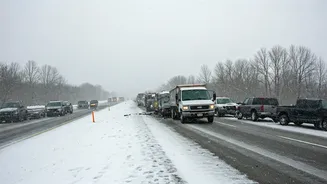

The I-196 Incident
The winter storm, which hit Michigan, led to hazardous driving conditions on I-196. The highway quickly became the scene of a significant pileup, involving
more than 100 vehicles. This massive accident caused the immediate shutdown of both the eastbound and westbound lanes, disrupting traffic and leaving many drivers stranded. The severity of the conditions, including heavy snowfall and ice, contributed to the widespread loss of control among the vehicles. Emergency responders were quickly dispatched to the area to assess the situation, assist those involved, and begin the process of clearing the road. The incident drew attention to the unpredictable nature of winter weather and the importance of safe driving practices, especially during adverse conditions, such as reducing speed and maintaining increased distances between vehicles.
Response and Rescue
Following the I-196 pileup, the primary focus was on the safety and welfare of those involved. Emergency services acted promptly, with the immediate task of providing medical attention to the injured. Reports indicated that between 9 and 12 people sustained injuries; however, miraculously, there were no reported fatalities. The extent of the injuries varied, and first responders worked tirelessly to provide immediate care. Simultaneously, efforts were made to clear the highway and move the damaged vehicles. Buses were deployed to transport the stranded motorists, offering them temporary shelter. The Hudsonville High School was designated as a temporary shelter, offering warmth, food, and a safe place for those affected by the incident. This collective response highlighted the community's readiness to assist during a crisis, and the coordination between emergency services and local organizations.
Aftermath and Impact
The aftermath of the I-196 pileup included immediate actions and subsequent investigations. Law enforcement began to investigate the causes of the accident. The investigation aimed to determine factors contributing to the pileup, such as vehicle speeds, road conditions, and driver behavior. The closure of the highway caused significant disruption. It delayed travel and led to congestion on alternate routes. The event served as a stark reminder of the potential dangers of winter driving, prompting reminders from authorities about the need for preparedness and caution during such weather conditions. Following the cleanup, and once the road was cleared, traffic flow gradually returned to normal. The response also emphasized the crucial role of communication during emergencies, including the timely dissemination of information to the public about road closures, safety guidelines, and available assistance.