





The Power of Calf Muscles
While engaging in a full-body workout periodically offers benefits, experts highlight that frequent, small movements throughout the day are far more impactful
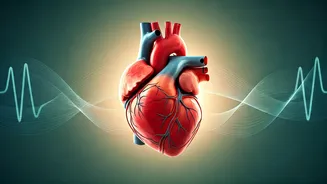
in combating the negative effects of a sedentary lifestyle. Simple actions like seated calf raises, though seemingly minor, play a crucial role in maintaining healthy circulation. The calf muscles are often likened to a 'second heart' due to their significant contribution to pumping blood back towards the heart from the lower extremities. When prolonged sitting restricts this natural flow, individuals may experience discomfort such as leg heaviness or noticeable swelling. By repeatedly lifting and lowering the heels while seated, these muscles are kept active, thereby supporting improved blood circulation. Although these seated movements do not substitute for comprehensive physical activity, they serve as a highly practical method to remain somewhat active during extended periods of sitting at a workstation.
Walking: A Holistic Approach
Walking emerges as a superior option for overall well-being when compared to isolated exercises, as it actively engages a multitude of muscle groups across the legs, hips, and even the core. This comprehensive muscle activation not only enhances blood circulation but also significantly contributes to bolstering heart health and alleviating the stiffness that often accompanies prolonged sitting. Even brief walking intervals, lasting just 5 to 10 minutes during short breaks, can yield a discernible positive impact on how you feel. However, the utility of seated calf raises should not be disregarded, especially in scenarios where frequent opportunities to stand and walk are limited. These seated exercises are valuable for stimulating the calf muscles, which are integral to the venous return process, effectively aiding the upward flow of blood toward the heart.
Best Strategy for Sedentary Lifestyles
For individuals whose work demands a significant amount of time spent seated, a combination of both walking and seated calf raises presents the most advantageous approach, though their individual impacts differ. Walking is undeniably beneficial as it simultaneously activates numerous muscle groups, thereby enhancing blood flow, promoting joint mobility, and diminishing the likelihood of experiencing stiffness and the formation of blood clots. Many opt for walking as their primary activity due to its accessibility and comprehensive benefits. Furthermore, it supports robust cardiovascular function and aids in weight management. Seated calf raises prove particularly useful when continuous movement is impractical, such as during extended desk sessions. These exercises specifically target the calf muscles, promoting venous return and reducing lower leg swelling, yet they do not offer the extensive, full-body advantages provided by walking. The optimal strategy involves integrating regular short walks, ideally every hour, to help reset the body and combat stiffness, supplemented by seated movements like calf raises, ankle rotations, or stretches to keep the legs actively engaged.