



Crisis Averted
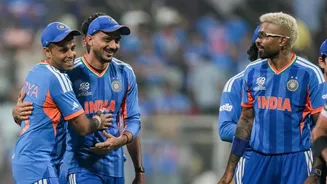
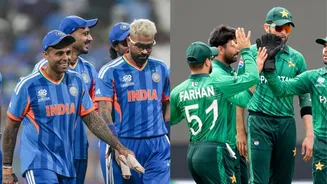
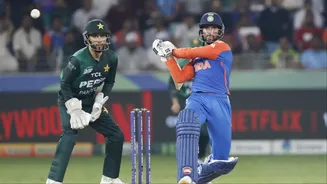
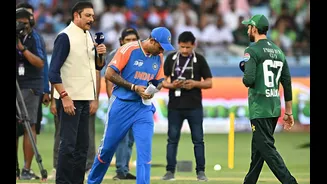
The uncertainty surrounding the February 15 T20 World Cup encounter between India and Pakistan has finally been dispelled. Following a period of intense
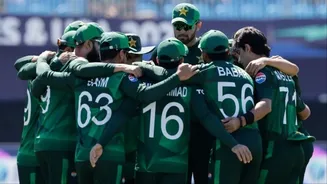
discussions, the Pakistani government has officially directed its national cricket squad to participate in the pivotal match set to take place in Colombo. This resolution came after extensive deliberations involving cricket officials from Pakistan and Bangladesh, alongside the International Cricket Council (ICC). The dialogue, which involved consultations with ICC chief Jay Shah, saw the Bangladesh Cricket Board (BCB) play a role in encouraging the Pakistan Cricket Board (PCB) to proceed with the game against India, ultimately prompting the Pakistani government to alter its initial decision. This development marks the end of a significant period of drama for the tournament.
Diplomatic Maneuvers
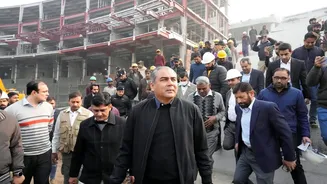
The resolution of the boycott threat involved a series of strategic discussions and mutual understandings. The ICC confirmed the conclusion of the impasse, emphasizing that the dialogue with the PCB was part of a broader engagement focused on constructive relationships and a shared commitment to the best interests of the sport. This included a recognition of the need for integrity, neutrality, and cooperation. The President of the Bangladesh Cricket Board, Aminul Islam, had previously alluded to the weekend's backroom negotiations, requesting Pakistan to play India for the overall health of the cricket ecosystem. PCB chief Mohsin Naqvi also commented on the discussions, stating that Pakistan respected its guests and the ICC's presence, acknowledging the cooperative atmosphere of the talks.
Roots of the Dispute
The core of the crisis stemmed from a prior disagreement involving Bangladesh's participation in the T20 World Cup matches hosted in India. This situation arose after the Board of Control for Cricket in India (BCCI) requested the Kolkata Knight Riders to release pacer Mustafizur Rahman for the upcoming Indian Premier League (IPL) season. Following Bangladesh's subsequent refusal to travel to India, they were replaced by Scotland in the tournament. In solidarity with Bangladesh, the Pakistani government then declared its intention to boycott the match against India, citing perceived "double standards" by the ICC. PCB chief Mohsin Naqvi had articulated their position, stating that Bangladesh's stance was considered valid, thus necessitating their support.
ICC's Firm Hand
The ICC's approach to the situation evolved significantly, and they ultimately decided against imposing any penalties on the Bangladesh Cricket Board. This change in stance occurred concurrently with the development of a new agreement. The international governing body announced that there would be no financial, sporting, or administrative repercussions for Bangladesh. Furthermore, an accord was reached stipulating that Bangladesh would host an ICC event sometime before the ICC Men's Cricket World Cup in 2031. Those familiar with the negotiations revealed that ICC chief Jay Shah adopted a resolute stance, declining several demands put forth by the PCB. These demands reportedly included a greater share of revenue and the reinstatement of bilateral series with India, none of which the ICC agreed to.
Pakistan's Shift
Pakistan began to show signs of reconsidering their boycott threat after their attempt to invoke the Force Majeure clause was rejected by the ICC. The ICC contested the argument that the situation was beyond their control, deeming it weak. Moreover, the PCB was informed that adhering to their boycott decision would result in substantial fines and severe sanctions that could lead to their isolation within the international cricketing community. Despite these potential repercussions, Mohsin Naqvi had previously asserted on Monday that Pakistan was unfazed by such threats, implying a confidence rooted in their national backing and a disregard for sanctions, famously referencing their Field Marshall.