






Deadly Altitude Station
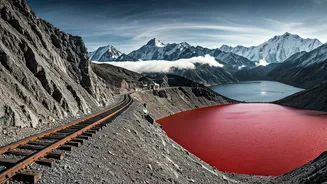
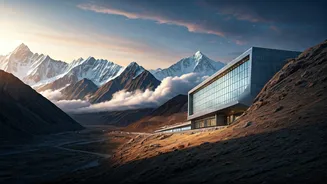
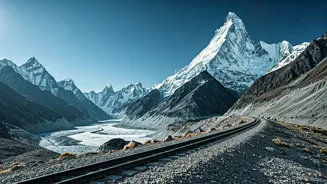
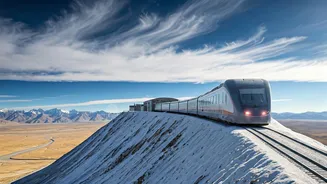
Venture to the pinnacle of railway engineering, where the world's loftiest station stands at an astonishing 5,068 meters above sea level. This extreme
elevation presents a unique challenge: the thin air and harsh conditions are so severe that passengers are prohibited from stepping onto the platform. The very atmosphere at this height is considered a 'death zone,' making it an inhospitable environment for human presence. Despite its inhospitable nature, this station represents a remarkable feat of construction, pushing the boundaries of what is possible in extreme terrain. Unlike India's own Ghum station, which is a popular tourist destination, this high-altitude marvel prioritizes operational necessity over public access due to the extreme physiological demands imposed by such rarefied air. The lack of platform access underscores the perilous nature of operating at such incredible heights, a testament to both human ingenuity and the formidable power of nature.
Lonar's Martian Twin
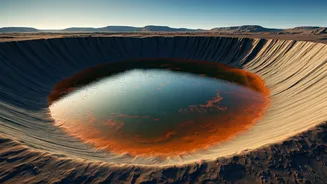
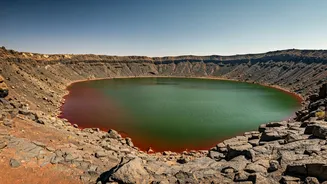
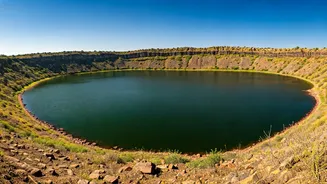
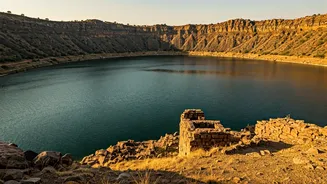
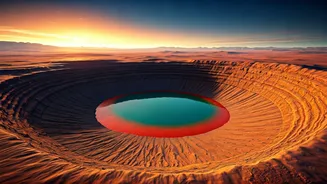
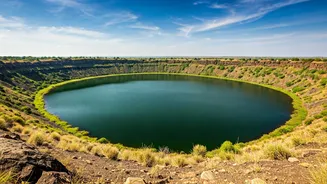
Journey to the heart of India to explore Lonar Lake, a singular geological wonder with a profound connection to the Red Planet. This is India's sole crater lake, and its composition and characteristics bear a striking resemblance to those found on Mars, earning it the moniker 'Earth's earthly twin of Mars.' Formed approximately 50,000 years ago by a meteorite impact, the lake is a captivating subject of scientific study. Its waters exhibit unique properties, with salinity levels that fluctuate and even show evidence of micro-organisms adapted to its specific environment. The visual spectacle of Lonar, with its surrounding basaltic rock formations and the distinct ring it creates in the landscape, is a testament to the colossal forces that shaped it millennia ago. The story of Lonar Lake is etched in time, offering a glimpse into the cosmic events that have influenced our planet and providing a tangible link to the extraterrestrial through its remarkable Martian likeness.