






Your First Lift
Embarking on the deadlift journey requires a solid foundation in proper technique to maximize benefits and minimize injury risk. The exercise, renowned
for its full-body engagement, demands attention to every detail, from where your feet are placed to how you grasp the weight and maintain spinal alignment. For newcomers, approaching this fundamental movement with caution and precision is paramount. Breaking down the deadlift into easily digestible steps is key to building both understanding and confidence, ensuring that initial attempts don't lead to undue stress on your back or joints. Expert advice is invaluable here, guiding beginners through the intricacies of form and helping them sidestep common errors as they build foundational strength.
The Deadlift Movement
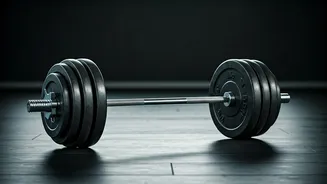
To initiate a deadlift, begin by positioning your feet roughly shoulder-width apart, ensuring the barbell is situated directly over your shins. Next, hinge at your hips while maintaining a neutral spine and slightly bend your knees, allowing you to reach down and grip the bar just outside your legs. Once your grip is secure, brace your core and lift your chest to prepare for the pull. The lift itself is executed by driving through your heels and extending your hips and knees in unison, bringing you to a standing position with the bar against your thighs. To lower the weight, reverse this motion: hinge at your hips first, and only then bend your knees once the bar has cleared them.
Building Confidence Safely
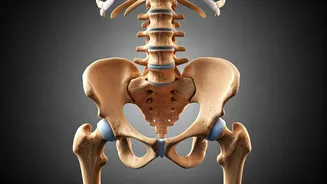
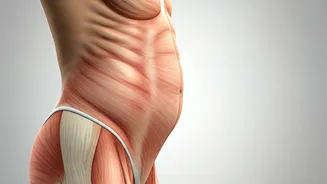
A prevalent concern among those new to deadlifts is the potential for back injury. However, this fear often stems from incorrect execution rather than the exercise itself. Cultivating confidence in your deadlift requires a dual approach: mastering the form and strengthening the muscles that support the spine. Incorporating accessory exercises that target the core and posterior chain, such as planks, glute bridges, and hip hinge drills, is crucial. These movements train your body to maintain a stable and protected spine during the dynamic action of lifting. By consistently practicing these supportive exercises, you'll develop the muscular resilience needed to perform deadlifts with greater assurance and less risk.
Avoiding Common Errors
Several common mistakes can compromise deadlift safety and effectiveness. A primary pitfall is allowing the lower back to round, which places excessive strain on the spine. This can be remedied by consistently practicing hip hinge drills and consciously keeping the chest elevated throughout the lift. Another frequent error involves the bar drifting away from the body during the movement. Keeping the barbell in close proximity to your shins and thighs at all times is vital for reducing strain and enhancing the efficiency of the lift. Furthermore, beginners often mistakenly try to lift the bar primarily with their arms. Shifting the mental focus to pushing the floor away with your legs and hips will engage the correct muscle groups more effectively. Rushing to lift heavy weights before mastering the technique is also a recipe for disaster, so patience and gradual progression, ideally with trainer feedback, are essential.