
Bird's Dramatic Return
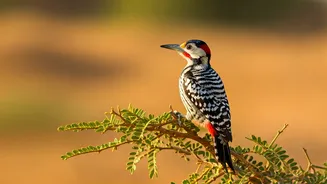
The recent sighting of the Sind Woodpecker in Jaisalmer marks a significant event in the realm of ornithology and conservation. This elusive bird, not
commonly seen in the area, has been absent for two decades, making its reappearance all the more noteworthy. The news has sparked considerable interest among bird enthusiasts and researchers. The return of the woodpecker suggests improvements in the environment, or at least a temporary reprieve, and indicates that conservation efforts may be yielding positive results. The sighting presents a chance to assess the state of the woodpecker's habitat, study the factors influencing its presence, and explore strategies to further protect the species. This event underscores the significance of ongoing biodiversity conservation and highlights the necessity for sustained efforts to preserve the habitat of rare and vulnerable species.
Why This Matters
The importance of this sighting goes beyond a mere bird sighting; it symbolizes the health of the local ecosystem. The Sind Woodpecker, like other woodpeckers, plays a crucial role in maintaining the balance of the environment. By excavating trees for insects, they help control pest populations and contribute to forest health. They also create nesting cavities that are used by other bird species, acting as ecosystem engineers. The reappearance of the woodpecker suggests an improvement in the habitat, which might be a result of focused conservation activities and/or environmental regulation. It gives scientists an opening to analyze the ecosystem's state, assess the woodpecker's role, and create more focused protection programs. This incident underlines the necessity of preserving biodiversity, ensuring ecological harmony, and sustaining conservation activities for endangered species.
Conservation Efforts Underway
The sighting of the Sind Woodpecker in Jaisalmer has prompted renewed interest in conservation initiatives. Efforts are being made to identify and protect the bird's habitat, including mapping potential nesting sites and foraging grounds. Conservationists are working to raise public awareness about the bird's importance, encouraging community participation in protection efforts. Local communities are involved to ensure the long-term success of these measures. These collaborations involve regular monitoring of the woodpecker population and implementing strict regulations to protect its habitat from human activities, such as logging or deforestation. These initiatives aim to establish a safe environment where the Sind Woodpecker can thrive. It is hoped that the reappearance of the Sind Woodpecker can inspire wider support for conservation efforts in the region, promoting the importance of biodiversity.
Looking Ahead
The future of the Sind Woodpecker in Jaisalmer looks promising, but ongoing efforts are essential for its continued survival. Regular monitoring of the woodpecker population is crucial to assess its long-term presence and identify potential threats. Scientists will be conducting more research to gain a deeper understanding of the woodpecker's habits and habitat preferences to refine conservation techniques. Collaboration between conservation organizations, government agencies, and local communities will be essential to ensure the effective protection of the woodpecker's habitat. The goal is not only to maintain the existing population but also to promote population growth. Continued commitment to conservation is necessary to help the Sind Woodpecker flourish and act as a testament to successful biodiversity conservation in the area.