





The Biscuit Deception
Many individuals mistakenly believe that sweet snacks like cakes and fizzy drinks are the main culprits behind metabolic health issues, particularly concerning
blood sugar levels. However, Dr. Sumit Sharma, a London-based physician, highlights that biscuits often fly under the radar as a far more insidious threat. These seemingly innocuous treats, habitually paired with morning and evening tea, are frequently overlooked. Dr. Sharma observes that biscuits are the most common snack quietly undermining metabolic well-being among his patients. The danger lies in their perceived harmlessness, leading to their routine consumption without a second thought. This consistent intake of biscuits, often in multiples, contributes to a cycle of metabolic disruption that can develop unnoticed over time, a pattern he's identified in numerous patients struggling with insulin resistance.
Understanding Insulin Resistance
Insulin resistance occurs when your body's cells cease to respond effectively to insulin, the hormone responsible for transporting glucose from your bloodstream into cells for energy. In an attempt to compensate, the pancreas overproduces insulin. This hormonal imbalance can manifest in various ways, including brain fog, persistent fatigue, unwanted weight gain, and the accumulation of visceral fat, ultimately paving the path towards type 2 diabetes. Dr. Sharma emphasizes that insulin resistance typically develops gradually through a series of minor, repeated metabolic insults rather than a single significant event. Each time your blood glucose levels spike, your body is compelled to release insulin. The more frequent these glucose surges become, the more elevated your insulin levels remain chronically, a state that directly fuels and exacerbates insulin resistance.
The Toxic Trio in Biscuits
The detrimental impact of biscuits on metabolic health stems directly from their core ingredients: sugar, refined wheat flour (maida), and refined vegetable oils. Refined white flour is quickly digested, leading to an immediate release of glucose into the bloodstream. Sugar itself contributes directly to rapid glucose spikes. Furthermore, refined vegetable oils are known to be pro-inflammatory, adding another layer of metabolic stress. The absence of fiber means there's nothing to buffer or slow down the absorption of glucose, intensifying the insulin response. Similarly, the lack of protein further diminishes the body's ability to regulate glucose uptake. Essentially, a biscuit acts as a highly efficient delivery system for blood glucose, with a glycaemic impact that often catches people by surprise. Even a plain digestive biscuit can elicit a glycaemic response comparable to that of white bread.
The Overconsumption Cycle
The combination of ingredients in biscuits, particularly when ultra-processed, creates a dangerous cycle of overconsumption. These foods are expertly engineered to bypass the body's natural satiety signals. The blend of fat, sugar, and salt triggers the release of dopamine, a neurotransmitter associated with pleasure and reward, in the brain. This neurochemical response makes it difficult to stop at just one biscuit; instead, people find themselves consuming three or four. This isn't simply a matter of personal willpower; these biscuits are designed to promote excessive intake, gradually inflicting damage on metabolic health. Consuming two biscuits with tea can trigger an insulin surge, followed by a glucose crash within 60-90 minutes, and then another glucose spike within 20-30 minutes. This roller-coaster effect leads to renewed hunger, prompting the reach for another biscuit and perpetuating an infinite loop of unhealthy snacking.
Actionable Health Improvements
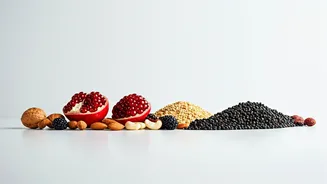
To assess and improve your metabolic health, Dr. Sharma recommends monitoring specific markers: HOMA-IR (optimal <1.5), HbA1c (optimal 4.6-5.2%), hsCRP (optimal <1 mg/L), fasting insulin (optimal 2-6 mIU/L), and the triglyceride to HDL ratio (optimal <1.5). Elevated fasting insulin is often an early indicator of metabolic dysfunction, appearing years before changes in HbA1c. A practical step to rectify this is to eliminate biscuit consumption for a period of four weeks. During this time, replace your usual biscuit snack with protein-based alternatives weighing 20-30g, such as boiled eggs, cottage cheese, Greek yogurt, cheese, or almonds. Within the first week, you should notice a reduction in afternoon energy crashes. By weeks three to four, hunger between meals is likely to decrease. Significant improvements in fasting insulin levels can be observed by weeks six to eight, with measurable metabolic improvements appearing within 10 to 12 weeks. If hunger allows, consider eliminating snacking altogether, as longer intervals between meals help lower insulin levels and enhance sensitivity.