








A Decade of Vision Change
Actor Hrithik Roshan, at the age of 42, was informed by his eye doctor that reversing his refractive error was impossible, likening the eye to a muscle
that cannot be trained like those in a gym. This revelation apparently left him astonished, questioning if any aspect of life was beyond the reach of discipline and effort. A decade later, however, a different experience unfolded. Roshan visited a clinic in Washington where he engaged in intensive eye 'muscle' training for five days, dedicating four hours daily. The outcome, as he shared on social media, was a surprising reduction in his eye power by 50%, a claim that naturally sparked curiosity and discussion.
Expert Clarification on Vision
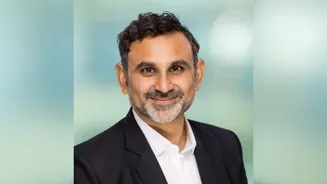
To understand the phenomenon of 'reducing eye power,' we consulted Dr. Kavita Rao, a Consultant Ophthalmologist and Eye Surgeon. Dr. Rao emphasizes that claims of significantly decreasing eye power in adults need careful clinical interpretation. Refractive errors like myopia, hyperopia, and astigmatism, along with age-related changes such as presbyopia, are typically linked to the eye's structural integrity and the natural aging process, making dramatic reversal unlikely. However, conditions such as convergence insufficiency, accommodative spasm, digital eye strain, or dry eye can cause vision fluctuations. When these underlying issues are successfully treated, a patient's prescription might appear lower, but this reflects improved visual function rather than a true reduction in the eye's structural refractive error.
Understanding Vision Therapy
Dr. Rao further explains that the perceived reduction in eye power is often due to enhanced eye coordination and alleviation of visual stress, rather than a miraculous reversal of the eye's structure. In cases of early presbyopia, specific focusing exercises and better visual habits can indeed improve comfort and mitigate symptoms by supporting the eye's musculature, though they do not reverse the natural aging of the lens. Vision therapy, adopting healthier screen habits, and effectively managing binocular vision problems can lead to greater comfort for patients and potentially reverse certain refractive errors, contributing to a more positive and less dependent visual experience.
Reducing Spectacle Dependence
For individuals seeking to genuinely reduce their reliance on glasses, Dr. Rao recommends a comprehensive eye examination as the crucial first step. This evaluation should thoroughly assess refraction, eye alignment, focusing capabilities, and corneal health. For suitable candidates, advanced options like laser vision correction, presbyopia-correcting procedures, or the implantation of artificial lenses offer effective and safe means to decrease spectacle dependence, provided they undergo proper screening. Celebrity endorsements can indeed be beneficial in encouraging people to prioritize their eye health, and with accurate diagnoses, realistic expectations, and modern medical interventions, many can achieve clearer vision and enhanced visual freedom.