
The Devastating Incident
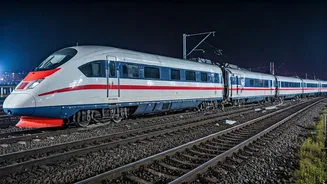
The incident unfolded on a Sunday evening near Adamuz, a town in Cordoba province, where two high-speed trains collided. One train, traveling from Malaga
to Madrid, derailed, crossed onto the opposite track, and collided with an oncoming train heading from Madrid to Huelva. The impact caused both trains to derail, leading to a massive rescue operation that was significantly hampered by the difficult terrain and the extent of the wreckage. Witnesses described scenes of panic and chaos, as the collision resulted in at least 39 fatalities and over 70 injuries, requiring the injured to be transported to six different hospitals across the region for medical attention. Emergency services reported that 25 individuals sustained severe injuries, underlining the severity of the accident and the extensive damage it caused.
Aftermath and Response
Following the collision, a major response was launched by emergency services, with local residents providing assistance by bringing blankets and water to the scene to help victims. The head of firefighters in Cordoba, Francisco Carmona, indicated the difficulties in reaching trapped passengers due to the twisted carriages. Transport Minister Oscar Puente reported that around 30 individuals were rushed to the hospital in critical condition, and all the injured had been evacuated for medical care. Spain's Prime Minister Pedro Sanchez expressed profound sorrow, acknowledging the deep pain the event has caused. The Royal Palace conveyed that King Felipe VI and Queen Letizia were closely monitoring the situation with great concern, reflecting the national impact of the tragedy. ADIF, Spain’s rail infrastructure operator, announced the suspension of high-speed train services between Madrid and Andalusian cities, including Cordoba, Seville, Malaga, and Huelva, at least through Monday, impacting the region's transport network.
Passenger Accounts
The survivors of the horrific crash recounted harrowing experiences of the moments surrounding the incident. Lucas Meriako, a passenger on the first train that derailed, shared that the scene looked like something out of a horror movie. Montse, another passenger on the second train, described the sudden stop with a jolt and the ensuing darkness, indicating the abrupt nature of the collision. The accounts of the passengers highlighted the suddenness and the chaos they encountered when the trains collided, adding to the severity of the situation. The regional Civil Protection chief, Maria Belen Moya Rojas, mentioned the accident's occurrence in a challenging area to reach. The accounts of the survivors further amplify the tragedy.
Investigations and Concerns
Authorities launched an investigation into the cause of the derailment to establish the underlying factors that led to the collision. The derailment occurred on a straight section of track that had recently been renovated, prompting the Transport Minister to describe the accident as 'extremely strange.' He mentioned that the first train to derail was 'practically new', suggesting that the incident involved well-maintained infrastructure and modern rolling stock. European Commission President Ursula von der Leyen expressed solidarity with those affected, reflecting international attention. As the investigation progresses, questions are being raised about safety protocols and maintenance practices on the high-speed rail lines.