



Initial Stance and Actions
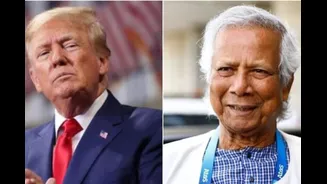
During his tenure, Donald Trump took a strong stance on Iran. In 2018, he made the decision to pull the United States out of the Iran nuclear deal, also
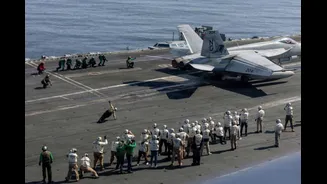
known as the Joint Comprehensive Plan of Action (JCPOA). This agreement, negotiated by the Obama administration along with other world powers, aimed to limit Iran's nuclear program in exchange for the lifting of economic sanctions. Trump, however, viewed the deal as flawed and insufficient. Following the withdrawal, the United States reinstated a series of economic sanctions against Iran. These sanctions were designed to cripple Iran's economy by targeting its oil exports, financial institutions, and other key sectors. Trump's administration also increased military presence in the Middle East and took a hard line against Iranian aggression in the region. This included designating the Islamic Revolutionary Guard Corps (IRGC) as a foreign terrorist organization. These actions were aimed at pressuring Iran to change its behavior and negotiate a new agreement.
Economic Impact of Sanctions
The economic sanctions imposed by the Trump administration severely impacted Iran's economy. The restrictions on oil exports, which are a major source of revenue for Iran, led to a significant decrease in its earnings. This, in turn, affected the country's ability to import essential goods, leading to shortages and rising inflation. The Iranian Rial, the country's currency, plummeted in value, further exacerbating economic difficulties for ordinary citizens. The impact was felt across various sectors, including healthcare, as the sanctions made it difficult to import necessary medicines and medical equipment. The US government argued that the sanctions were designed to pressure Iran's leaders to renegotiate the nuclear deal and curb its regional activities. However, critics argued that the sanctions caused significant harm to the Iranian people and did not effectively achieve the intended goals. Some international organizations and human rights groups raised concerns about the humanitarian consequences of the sanctions, particularly the impact on access to medicine and other essential goods.
Regional Tensions Escalated
Trump's approach to Iran also led to increased tensions in the Middle East. The US's withdrawal from the JCPOA and the subsequent imposition of sanctions created a more volatile environment. Iran responded by gradually reducing its commitments under the nuclear deal and increasing its uranium enrichment. This led to heightened concerns about its nuclear program, with some analysts suggesting that Iran was moving closer to developing nuclear weapons. Additionally, tensions increased in other regional conflicts. The US and Iran supported opposing sides in conflicts in countries like Yemen and Syria, leading to proxy wars and increased instability. Incidents like the attacks on oil tankers in the Persian Gulf further raised tensions. These events underscored the delicate and dangerous nature of the relationship, as any miscalculation could easily escalate into a larger conflict. The US's actions and Iran's reactions created a cycle of escalation, making it difficult to find common ground or de-escalate the situation.
Potential Miscalculations Explored
Critics of Trump's Iran policy argued that it contained several potential miscalculations. One major criticism was the belief that maximum pressure through sanctions would force Iran to negotiate a new, more comprehensive deal. However, this strategy did not yield the desired outcome. Instead, it arguably hardened the Iranian government's stance and led to retaliatory actions. Another potential miscalculation was underestimating Iran's resilience. The Iranian economy, despite facing severe challenges, did not collapse, and the government maintained its control. The hardline approach may have also inadvertently strengthened conservative elements within the Iranian government, making any future diplomacy more difficult. Furthermore, some analysts believed that the focus on Iran distracted from other pressing issues in the region, such as the fight against ISIS. The administration's focus on Iran at the expense of other strategic priorities may have been a costly mistake. Considering these elements offers a clearer understanding of the challenges involved.
Looking Ahead: Potential Outcomes
The future of the US-Iran relationship is uncertain, but it will have a major impact on the region's stability. Different possible scenarios can unfold. One is the possibility of renewed negotiations and a return to the nuclear deal. This would likely require the lifting of sanctions and compromises from both sides. Another possibility is continued escalation, potentially leading to further proxy conflicts or even direct military confrontation. This scenario would involve high risks for all parties involved and could destabilize the entire region. The third scenario involves a prolonged period of tension and stalemate, with sanctions remaining in place and neither side willing to make significant concessions. This would be a less dangerous but a costly state, with the economic and political situation remaining strained. The choice of path will affect regional security. The choices made by the current and future administrations will be important in deciding the future of this complex relationship.