



Kahwa: A Kashmiri Tradition
Kahwa, a traditional green tea preparation from Kashmir, is much more than just a beverage; it embodies cultural warmth and hospitality. Its origins are
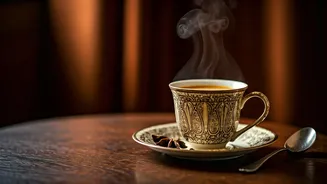
deeply rooted in the region's history, where it has been served for centuries, particularly during the cold winter months. Kahwa is not merely a drink to quench thirst, but a symbol of social gatherings and celebrations, often enjoyed among family and friends. The meticulous preparation of Kahwa also reflects the cultural values placed on care, detail, and appreciation of natural flavors and aromas. The recipe has been passed down through generations, making the process itself a treasured part of Kashmiri heritage, providing comfort and a sense of belonging in the cold climate.
Essential Ingredients Defined
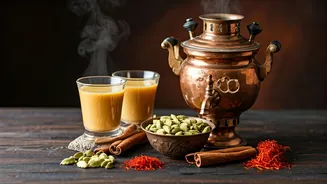
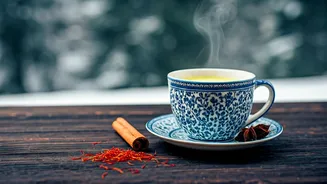
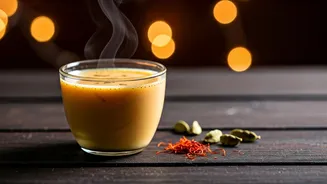
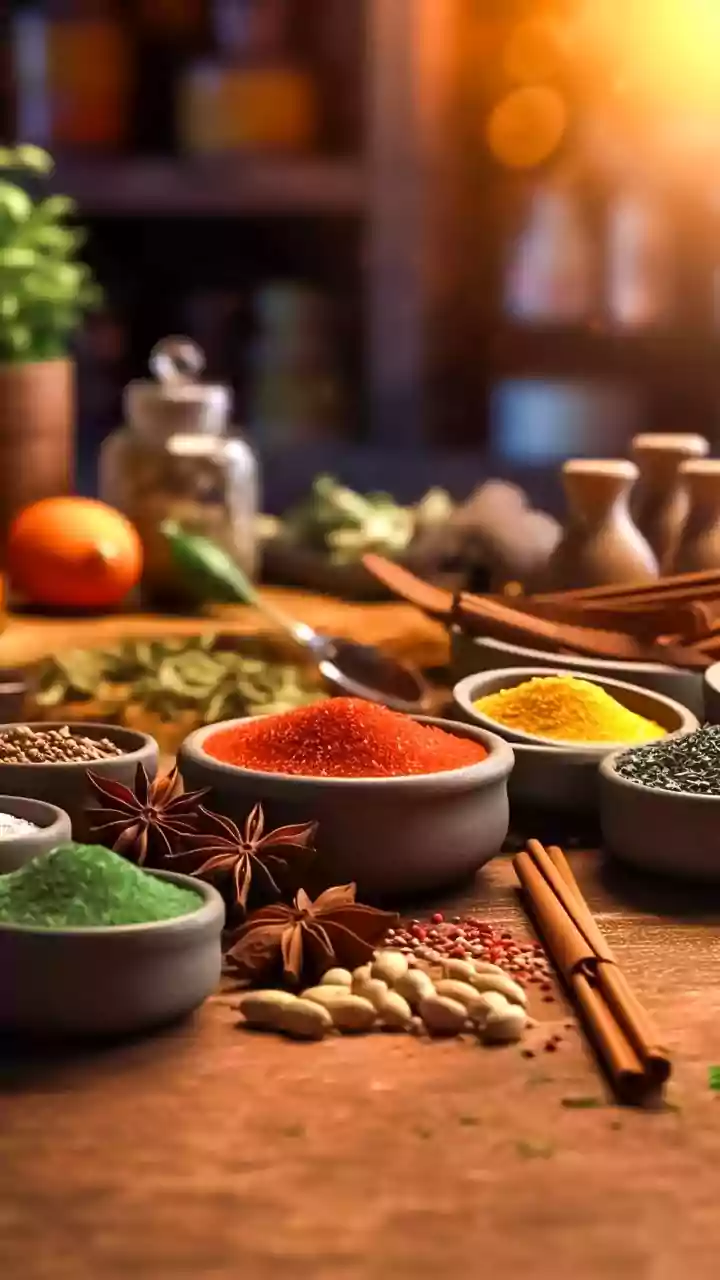
The beauty of Kahwa lies in its simplicity, with the primary ingredients being few but essential. High-quality green tea leaves are the foundation, providing a subtle, earthy base. These are typically loose leaf varieties, adding a superior flavor than tea bags. Saffron strands give the tea its distinctive golden hue, a touch of elegance, and a subtle floral note. The aromatic spices are the heart of the Kahwa, often including cardamom pods for their warming, spicy essence. Cinnamon sticks, cloves, and sometimes a few strands of star anise complete the aromatic profile. Finally, almonds add a touch of richness and texture, providing a satisfying crunch. These ingredients combine to create a warm and comforting experience.
Step-by-Step Brewing Guide
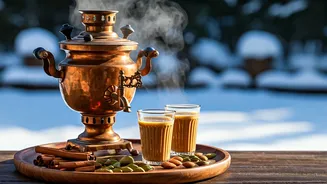
Crafting the perfect cup of Kahwa requires a methodical approach, ensuring each ingredient's flavors are released. First, lightly crush the cardamom pods, cinnamon sticks, and cloves to enhance their aroma. Then, in a saucepan, bring water to a near boil, typically around 90-95 degrees Celsius. Add the green tea leaves, and let them steep for about a minute. The spices should be added next, allowing them to infuse the water with their fragrance and essence for a few minutes. Add the saffron strands, allowing the tea to turn a beautiful golden color. After letting the mixture simmer for about 5-7 minutes, remove it from the heat. Finally, garnish the tea with almond slivers before serving, either in a traditional copper kettle or directly in cups, enhancing the experience.
Variations and Enhancements
While the traditional recipe of Kahwa is delightful, there are endless opportunities for customization and innovation. Some people prefer to add a touch of honey or sugar to the Kahwa for sweetness, providing a balance to the spices' sharpness. Rose petals can add a floral note to the infusion, enhancing the aroma and taste. For a more robust flavor, a small amount of ginger can be added. Those looking for a richer texture might add a splash of milk or even a dollop of butter, especially during colder days. Experimenting with other nuts like pistachios or walnuts can also add texture and flavor. These personal touches allow each individual to tailor the Kahwa to their preferences.
The Cultural Significance
Beyond its delightful taste, Kahwa carries immense cultural significance in Kashmir. It is more than just a beverage; it is a symbol of hospitality and sharing. Families and friends often gather over Kahwa, fostering connections. It is often served at weddings, festivals, and other important social gatherings, creating a sense of togetherness and warmth. The preparation and serving of Kahwa is a time-honored tradition, showcasing the region's values of community, generosity, and appreciation for the finer things in life. The practice embodies the welcoming spirit of Kashmiri culture, creating an ambiance of warmth and friendliness that brings people together.