






Introduction to Wonders
India's commitment to wildlife conservation is evident in its extensive network of national parks and sanctuaries, vital in safeguarding the nation's rich
biodiversity. These protected areas range from dense tropical forests to arid deserts, each offering a unique glimpse into the country's natural heritage. These havens are essential for the survival of many iconic species. They also present opportunities for sustainable tourism and environmental education, highlighting the importance of preserving these ecosystems for future generations. The diversity found in these protected areas reflects the varied landscapes, climates, and ecological zones across the country, making each location distinct and worthy of exploration.
Kaziranga National Park
Nestled in Assam, Kaziranga National Park is a UNESCO World Heritage site and renowned for its significant population of the one-horned rhinoceros. Spanning across the floodplains of the Brahmaputra River, the park is also home to tigers, elephants, and a wide array of bird species, making it a biodiversity hotspot. The park’s diverse ecosystems, including grasslands, wetlands, and forests, support a rich tapestry of flora and fauna. Kaziranga's conservation efforts have been instrumental in the recovery of the one-horned rhino population. Visitors can explore the park through jeep safaris and elephant rides, offering remarkable wildlife viewing experiences. Furthermore, the park's proximity to other cultural and natural attractions makes it a complete destination.
Jim Corbett National Park
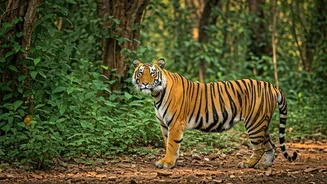
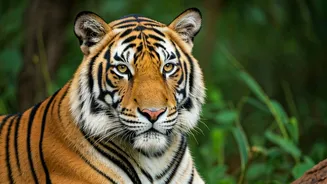
Jim Corbett National Park, located in the state of Uttarakhand, holds the distinction of being India's oldest national park, established to protect the Bengal tiger. The park's diverse terrain includes hills, river belts, grasslands, and a large lake, providing habitats for a wide range of animals. Tigers are the primary attraction, but the park is also home to elephants, leopards, and various bird species. Safaris and guided tours allow visitors to experience the park's natural beauty and possibly spot wildlife. It also offers a blend of natural and historical significance, as the park’s landscape has been shaped by the legacy of British colonial times. The park's popularity has made it a significant location for both wildlife conservation and ecotourism.
Ranthambore National Park
Ranthambore National Park, in Rajasthan, is a prime destination to view tigers in their natural habitat. The park’s dry deciduous forests and rocky terrain create a dramatic backdrop for wildlife sightings, including tigers, leopards, sloth bears, and various deer species. The park's historical significance adds to its allure, with the Ranthambore Fort within the park’s boundaries offering views and insights into the region's past. The park is a popular choice for wildlife enthusiasts, with jeep safaris being the main mode of exploration. Due to effective conservation efforts, the tiger population has improved, which has significantly enhanced the park’s reputation. The mix of natural and historical elements creates a unique travel experience.
Sundarbans National Park
The Sundarbans National Park, a UNESCO World Heritage site in West Bengal, is the world's largest mangrove forest, home to the Royal Bengal tiger. The intricate network of waterways and islands is a unique habitat, providing shelter to a wide range of species including the Bengal tiger, saltwater crocodiles, and various bird species. Boat safaris offer a unique experience to navigate through the dense mangroves and observe wildlife. The Sundarbans is also a vital ecological area, contributing to coastal protection. However, it faces threats from climate change and human activities. Conservation efforts continue to focus on protecting both the unique ecosystem and the iconic tiger population that depends on it.
Periyar National Park
Located in Kerala, Periyar National Park is known for its lush green landscape and the Periyar Lake. The park provides a home for elephants, tigers, and a rich variety of birdlife. Boat safaris on the lake provide excellent chances to spot wildlife, and walking trails in the forests offer a different perspective of the ecosystem. The park is recognized for its biodiversity and its role in protecting the Western Ghats. The park's ecosystem supports various rare and endangered species. The cool climate of the region and the diverse vegetation create an ideal environment for several species. Periyar’s mix of wildlife and stunning scenery makes it an attractive destination for nature lovers.
Bandhavgarh National Park
Bandhavgarh National Park, in Madhya Pradesh, is well-known for its high density of tigers and is a favored spot for tiger sightings. The park's varied landscape includes hills, grasslands, and valleys, providing an environment for tigers, leopards, and various deer species. The park is also known for its ancient fort and caves, adding a historical dimension to the landscape. Safaris within the park give visitors opportunities to see tigers and other wildlife in their natural environment. Bandhavgarh’s conservation programs help ensure the safety of its wildlife. The park's blend of history, wildlife, and natural beauty makes it a remarkable destination for both wildlife enthusiasts and those interested in India's cultural heritage.
Gir National Park
Gir National Park, situated in Gujarat, is the last remaining home of the Asiatic lion. The park's dry deciduous forests and hilly terrain provide an environment for the lions. Along with lions, the park also houses leopards, antelopes, and numerous bird species. Gir's conservation efforts have been vital to the survival of the Asiatic lion. Safaris provide tourists with the chance to see the lions and other wildlife. The park also plays a part in the ecological conservation in the area, helping preserve the biodiversity. The Gir National Park is a prominent destination for wildlife enthusiasts, and its significance goes beyond preserving the Asiatic lion.