


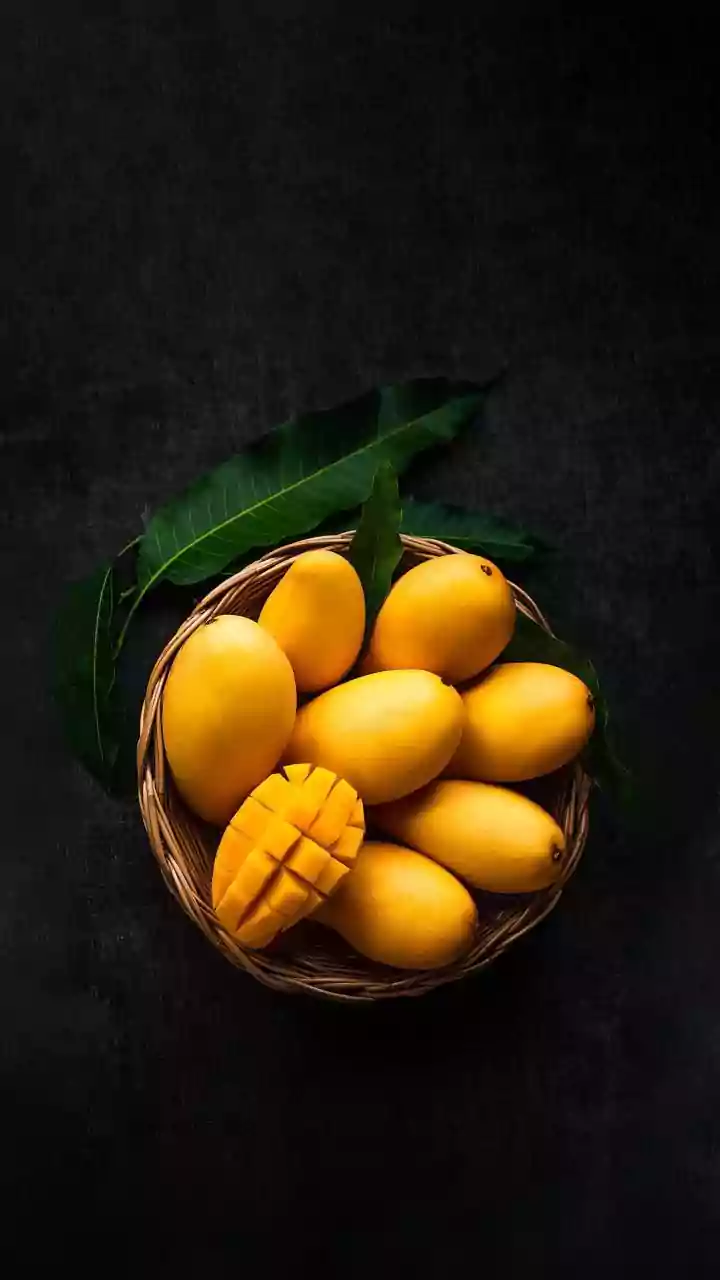



Discover the Magic of Indian Desserts: 10 Sweet Treats to Tempt Your Taste Buds! From Gulab Jamun to Halwa, savor the essence of India's rich culinary heritage. Uncover the secrets behind these delectable
delights in a journey of flavors
India, a land renowned for its vibrant culture, diverse landscapes, and of course, its mouth-watering cuisine. And when it comes to satisfying your sweet cravings, Indian desserts stand in a league of their own.
Each region boasts a unique collection of sugary delights, passed down through generations, using age-old recipes and the freshest ingredients.
So, get ready to embark on a delectable journey as we explore 10 Indian desserts that are guaranteed to tantalize your taste buds and leave you wanting more!
Gulab Jamun: Deep-Fried Delight in Sweet Syrup
Gulab Jamun, arguably the most popular Indian dessert, is a true classic. These soft, spongy milk balls are deep-fried to a golden brown perfection and then soaked in a fragrant rose-flavored sugar syrup. The result is a melt-in-your-mouth sensation that is simply irresistible.
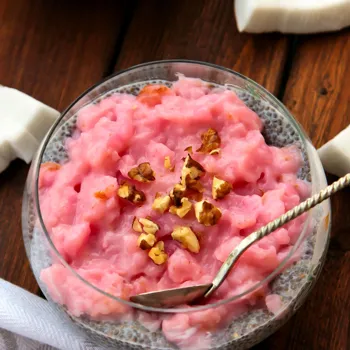
Whether served warm or cold, Gulab Jamun is a must-try for anyone with a sweet tooth. Enjoyed during festivals, weddings, or even as a simple after-meal treat, this dessert never fails to bring joy. It’s the syrup-soaked spongy texture that makes it truly an experience.
The process of making proper Gulab Jamuns involves a lot of patience and attention. Khoya, or solidified milk, is generally the primary ingredient. It is kneaded well and mixed with a bit flour, then carefully formed into tiny balls.
The frying process has to be monitored, ensuring that they are cooked uniformly, retaining moisture within while attaining a lovely color outside. Proper sugar syrup flavored with cardamom and rose water adds the final touch, making them divine.
Jalebi: Crispy Swirls of Sweetness
Jalebi, made with maida, gram flour, and baking soda, is another iconic Indian sweet. The batter is fermented almost immediately so the Jalebis are made right away. Crispy, bright orange, and slightly tangy because of the batter. The shapes are fried and soaked in syrup.
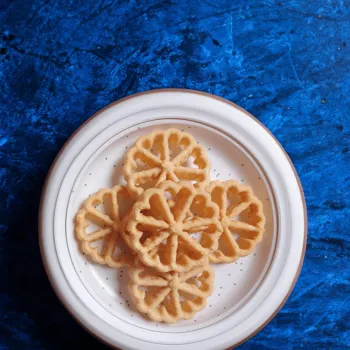
The syrup coats every inch of crispy swirl. This sweet treat is commonly enjoyed during festivals like Diwali and Dussehra and is often paired with rabri. In winter it is just a part of Indian tradition to enjoy hot Jalebis.
The art of crafting good Jalebi lies in getting the right crispiness without making it to hard. The batter composition is vitally important for the texture and also fermentation timing affects the final product.
Once fried, the immediate submersion in syrup which is again hot ensures the sweet gets inside completely. Saffron and cardamom in the sugar add to the aromatic experience. There are many vendors who have been selling jalebis for generations.
Rasgulla: Spongy Cheese Balls in Light Syrup
Originating from West Bengal, Rasgulla is a light and refreshing dessert. These spongy cheese balls are cooked in a delicate sugar syrup, infused with cardamom and rosewater. The light, airy texture and subtle sweetness make it a perfect choice for those who prefer a less intense dessert.
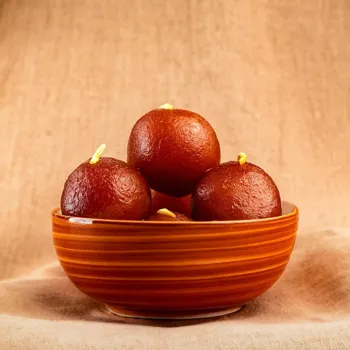
The freshness of cottage cheese and syrup blend magically into this popular sweet. Some love to drink the syrup, which tastes divine.
Making Rasgulla needs precision in terms of temperature and cheese curdling process.
Fresh chenna, or Indian cottage cheese, is kneaded well to ensure a smooth texture. Small balls of chenna are then cooked in simmering sugary water. The timing and control of temperature are key otherwise the balls can fall apart in the cooking procedure.
Once they swell up and capture sugar the Rasgulla is ready. They may be served chilled.
Barfi: A Milk-Based Fudge
Barfi is a traditional Indian fudge made from milk, sugar, and a variety of flavorings. Different types of barfi exist, so there will be something for you. There is Kaju Katli or cashew and Pista barfi with pistachios. Different shapes and colors can be used.
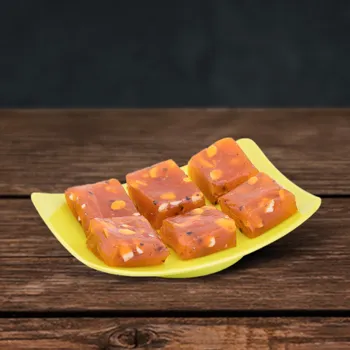
It’s a staple during festivals and special occasions. Its simplicity and versatility make it a favorite across India, a sweet that is accessible to all. Its rich, creamy texture and nutty flavor make it hard to resist.
The trick to making a top-notch barfi is to use high-quality milk and cook it until it reaches the ideal consistency. Constant stirring is essential to stop and avoid burning. Other ingredients like nuts, cardamom, saffron extract, are added depending on the type of barfi one is willing to prepare.
The mixture is then set in a pan and cut into squares, diamonds and desired shapes, once it cools. Skilled sweet makers depend on their insight from experience.
Kheer: Rice Pudding with a Twist
Kheer, also known as Payasam, is a classic Indian rice pudding. It is typically made with rice, milk, sugar, and flavored with cardamom, saffron, and nuts. Kheer is a comforting pudding and can be served both hot and cold.
It’s a frequent dish made for both festivals and important religious ceremonies, which makes it both holy and enjoyable. It represents richness, purity, and prosperity. Each family has its own recipe, making each bowl unique and delicious.
The secret to a creamy and delicious Kheer is to use full-fat milk and cook the rice slowly over low heat. It makes rice release starch and get the pudding a creamy texture. The other ingredients must be added with care so the flavor balances in every spoon.
The pudding is garnished with chopped nuts and sometimes rose petals enhancing flavor of overall dish. Many varieties of Kheer exist with different primary ingredients.
Halwa: A Grain or Vegetable-Based Sweet
Halwa is a dense, sweet confection from the royal kitchens. Made with grains or vegetables, ghee, and sugar, the dish is cooked. Aromatic spices such as cardamom and garnishes like nuts enhance the flavors. There is sooji halwa, moong dal hawa, doodhi halwa, and gajar halwa.
It's richness and flavor provide warmth, especially during cold weather. Making it requires skill, but the effort is worth it. Halwa is a celebration of flavors and textures.
The key to mastering Halwa is patience and persistence.
Continuous stirring and adding ghee and liquid ensures the dish acquires the texture without burning. Roasting samolina or grains is also important to release the aroma before adding liquids. The addition of nuts adds to the overall flavor.
Halwa embodies the essence of traditional Indian desserts, rich, and fulfilling.
AI Generated Content. Glance/InMobi shall have no liability for the content