



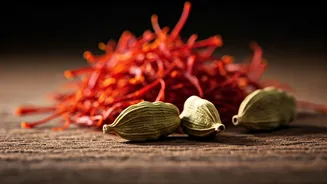

Dive into the Cultural Significance of Indian Food Traditions, unraveling the soul of a nation through its diverse flavors
India, a land of vibrant colours, diverse languages, and rich traditions, boasts
a culinary heritage as varied and captivating as its cultural landscape. Indian food is much more than just a way to fill our tummies; it's an integral part of our identity, history, and social fabric.
The culinary practices passed down through generations reflect deep-rooted beliefs, regional nuances, and the influence of various historical events.
From the snow-capped Himalayas to the sun-kissed beaches of the South, every region offers a unique gastronomic experience, showcasing the country's incredible biodiversity and the ingenuity of its people.
Understanding the cultural significance of Indian food traditions not only enhances our appreciation for the cuisine but also provides valuable insights into the nation's soul.
Indian spices in cuisine offer flavor and health benefits, rooted in Ayurveda
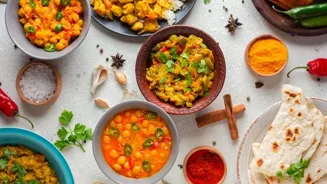
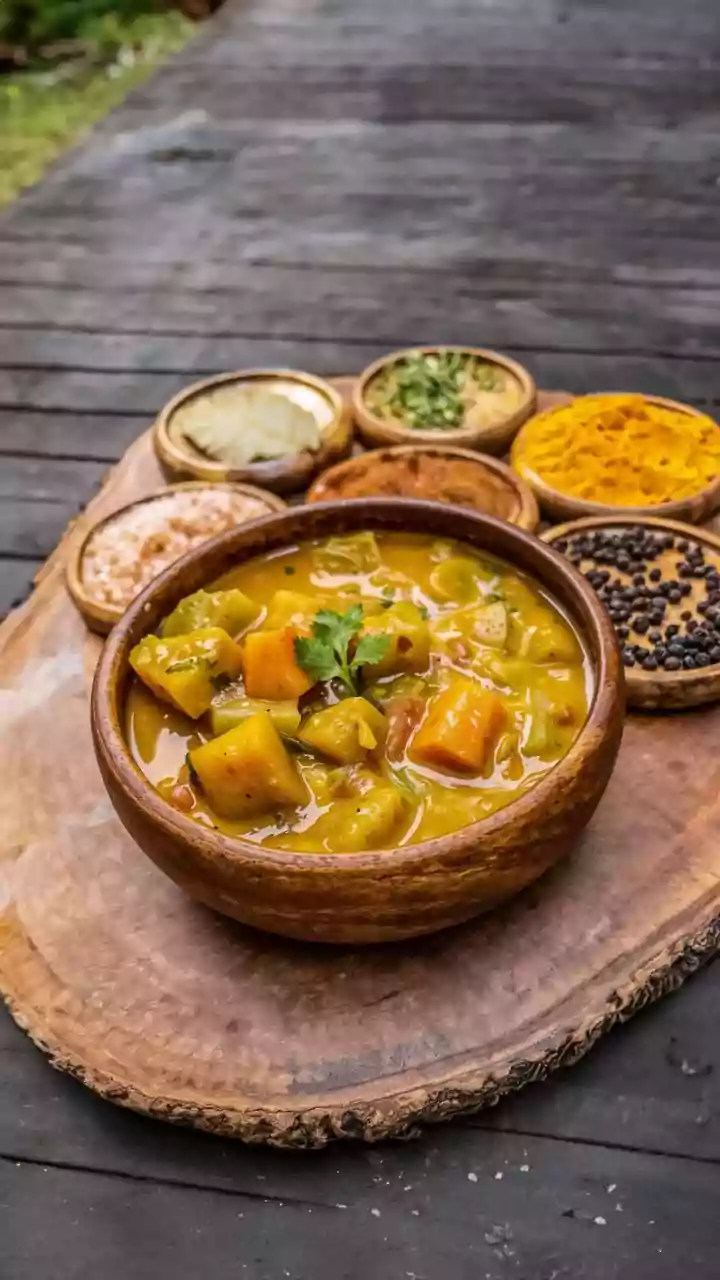
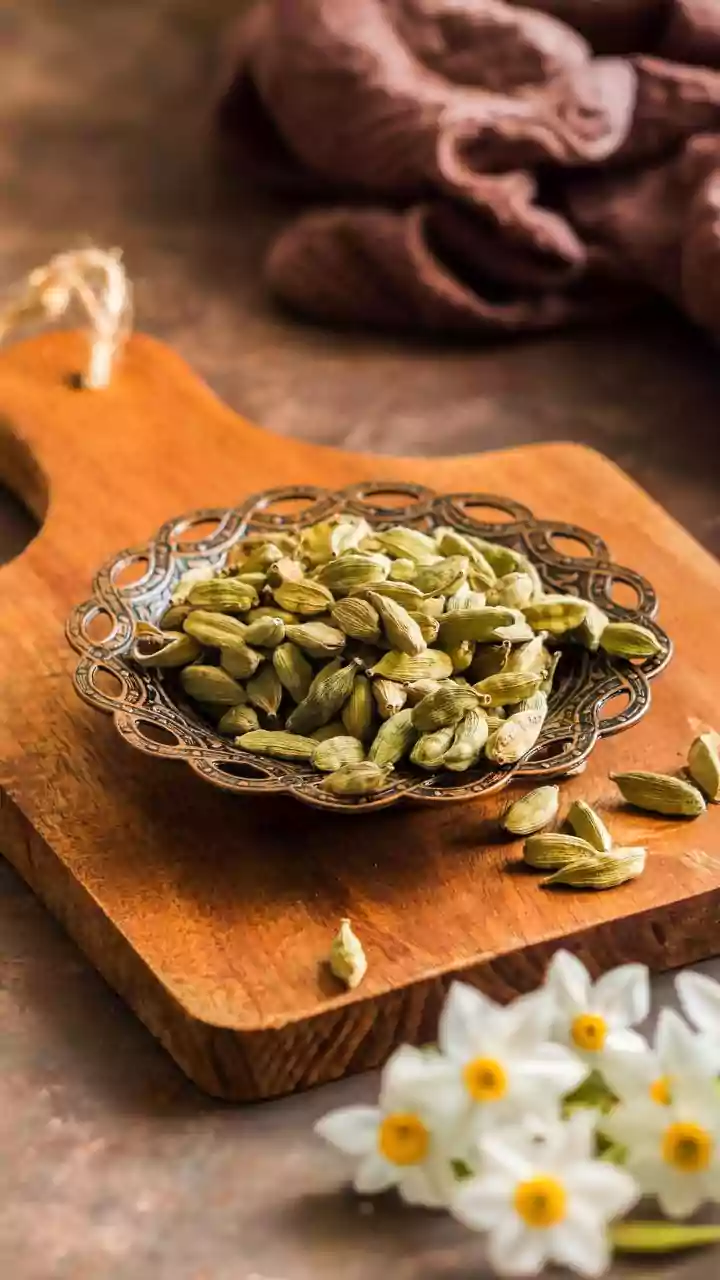
The spices that define Indian cuisine are not merely flavour enhancers; they are also considered to possess medicinal properties according to Ayurveda, the ancient Indian system of medicine. Turmeric, for instance, has been revered for its anti-inflammatory and antioxidant qualities for centuries.
Ginger and garlic are believed to aid digestion and boost immunity. The use of these spices is not random but rather a calculated practice aimed at promoting overall well-being.
This connection between food and health is a cornerstone of Indian culinary traditions, with recipes often incorporating ingredients specifically chosen for their therapeutic benefits. Indian cooking is strongly linked to the seasons.
Indian dining tradition emphasizes sensory engagement, digestion, and holistic meal planning
Food in India isn't just about what we eat; it is also about how we eat. Many families still adhere to the tradition of eating with their hands, believing it enhances the dining experience by engaging all the senses.
Sitting on the floor while eating is another common practice, rooted in the belief that it aids digestion. The sequence of courses in a traditional Indian meal is also carefully planned, starting with lighter dishes and progressing to richer, heavier ones.
This methodical approach to dining reflects a deep understanding of the body's needs and a desire to create a harmonious culinary experience. Different utensils also dictate the type of food being prepared and served.
Festive foods unite cultures, symbolize joy, and strengthen bonds
Festivals are incomplete without special sweets and dishes. Diwali, the festival of lights, is synonymous with mithai like ladoos, barfi, and gulab jamun, symbolizing joy and prosperity. Holi, the festival of colours, is celebrated with gujiya, a sweet dumpling filled with khoya and nuts.
Pongal, the harvest festival of South India, is marked by the preparation of sweet pongal, a rice and lentil dish cooked with jaggery.
These festive foods are not just delicious treats; they are tangible expressions of cultural identity, connecting people to their roots and reinforcing a sense of community. The act of preparing and sharing these delicacies strengthens bonds and creates lasting memories.
Temples offer prasadam, sacred food fostering unity and devotion
The concept of "prasadam" in temples is a wonderful example of food as a sacred offering. Food that is cooked with devotion is offered to the deity. It is then distributed among devotees as blessed food. This "prasadam" is often simple but is revered for its spiritual significance.
Offering food to God is a demonstration of gratitude and devotion. Sharing the "prasadam" fosters a sense of community and unity. Langar, a free community kitchen in Sikh temples, serves food to all, regardless of faith or background. This is a strong message of equality and compassion.
The act of serving and sharing food becomes a spiritual practice in itself.
Regional Indian cuisine showcases diverse flavors and cultural influences, reflecting unique histories
Regional variations truly spotlight the incredible diversity of Indian food. Every state boasts its own culinary gems, shaped by its unique geography, climate, and cultural influences.
From the simple yet satisfying dal-bati-churma of Rajasthan to the delectable dhokla and thepla of Gujarat, there's a whole world of flavours waiting to be explored! Tamil Nadu is known for rice and sambar while Kerala has its own unique cuisine including rice based dishes with coconut flavour.
These regional differences aren't just about different ingredients; they reflect different lifestyles, values, and histories. Exploring regional cuisines is like taking a journey through the heart of India, discovering the soul of each region through its food.
Indian food traditions unite diversity, reflecting India's heart
Indian food traditions highlight how food is deeply embedded in India. It showcases unity in diversity. Respecting these traditions is to respect the heart of India.
AI Generated Content. Glance/InMobi shall have no liability for the content