


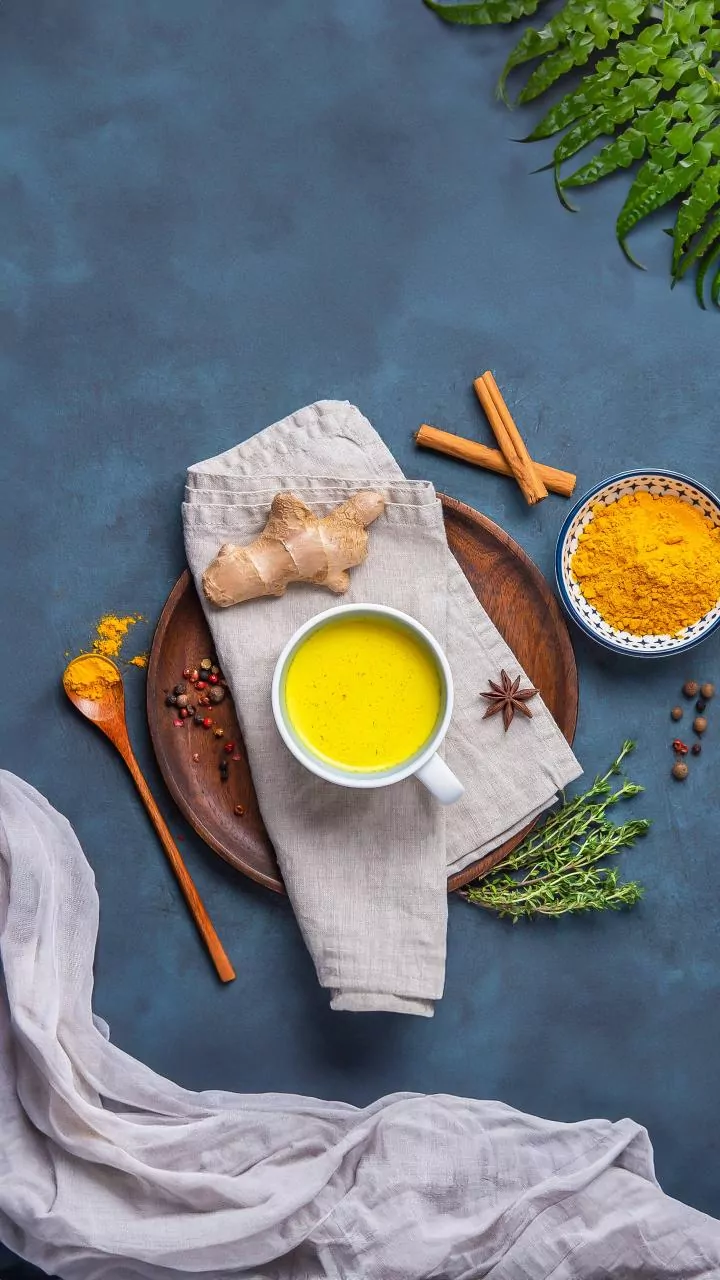


Discover the art of perfecting Indian baking with 10 essential tips! Elevate your skills and impress your loved ones. Read more!
Namaste, baking enthusiasts! Are you ready to take your Indian baking game
to the next level? From melt-in-your-mouth naankhatai to perfectly spiced cakes, Indian desserts are a delightful treat. But mastering them requires a little bit of know-how. Fear not!
We've compiled a list of 10 essential tips that will help you achieve baking perfection, right here in your own desi kitchen. Get ready to impress your family and friends with your amazing baking skills. Let’s get started!
Embrace the Power of Desi Ingredients:
The beauty of Indian baking lies in its unique flavors, often derived from indigenous ingredients. Don't shy away from using ghee, the clarified butter that adds a rich and nutty flavor to many Indian sweets.
Instead of refined sugar, explore the use of jaggery (gur) or cane sugar for a more traditional sweetness and earthy flavor. Experiment with different flours like besan (gram flour), atta (whole wheat flour), or sooji (semolina) to add a unique texture and taste to your baked goods.
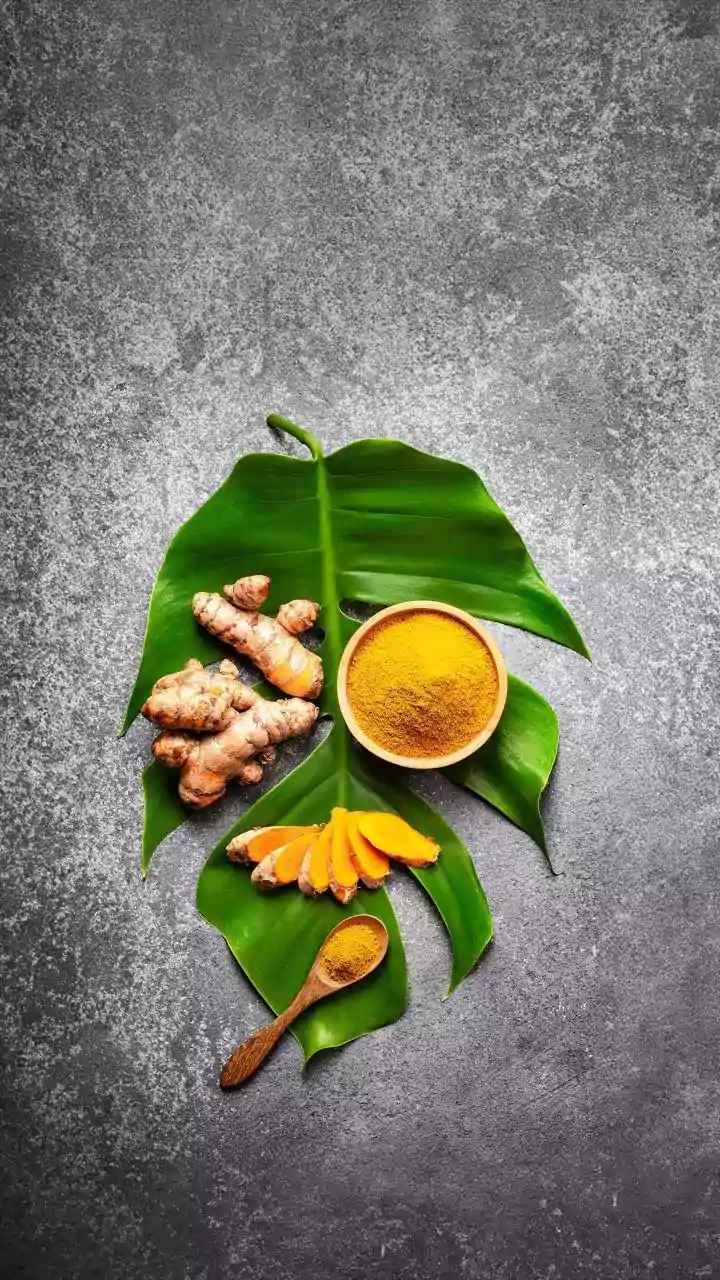
Cardamom, saffron, nutmeg, and cinnamon are your best friends for creating that signature Indian aroma and flavor. These ingredients will give your baking a distinct Indian touch that will set it apart from the rest. Sourcing these ingredients fresh will also help you in achieving great results.
And remember, good quality ingredients always translate to better tasting baked goods! So, stock up your pantry with these desi essentials and get ready to bake some magic!
Taming the Tandoor... or Your Oven:
While a traditional tandoor might be out of reach for most home bakers, understanding its principles is crucial for achieving that perfect bake. Tandoors use intense, dry heat to cook food quickly and evenly. Replicating this in your oven means preheating it thoroughly.
A preheated oven ensures that your baked goods rise properly and cook evenly. Don't skip this step! Also, get to know your oven. Every oven is different, so pay attention to how yours bakes. Use an oven thermometer to ensure accurate temperature readings.
Experiment with different rack positions to find the sweet spot for your recipes. Some recipes might call for baking in the middle rack, while others might benefit from being closer to the heat source. Mastering your oven is key to achieving consistent and delicious results.
Keep a baking journal to note down the timings and temperatures for each recipe. This will help you perfect your baking process and avoid any unwanted surprises.
The Art of Measuring (Indian Style):
While precise measurements are important in baking, don't be afraid to rely on your intuition and adjust recipes to suit your taste. Many traditional Indian recipes rely on "andaaz" (approximation) and a pinch of this or a handful of that.
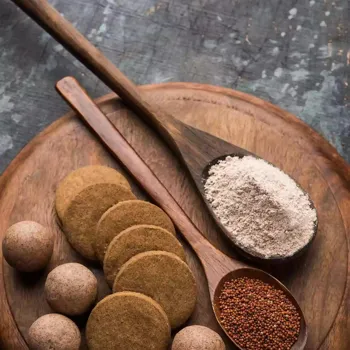
While this can be intimidating for beginners, it encourages experimentation and allows you to personalize your bakes. However, when starting out, it's best to stick to precise measurements.
Use measuring cups and spoons to ensure accuracy, especially when it comes to ingredients like baking powder and baking soda. These ingredients are crucial for leavening and can significantly impact the texture of your baked goods.
Once you're comfortable with the basics, you can start experimenting with different ratios and flavor combinations. Don't be afraid to adjust the sweetness level or add a touch of your favorite spice. Remember, baking is a creative process, so have fun and let your imagination run wild!
Master the Art of Making a Smooth Batter:
A smooth batter is crucial for achieving a light and airy texture in your baked goods. Lumps in your batter can result in uneven baking and dense spots. To avoid lumps, make sure your ingredients are at room temperature. This allows them to combine more easily.
When mixing dry and wet ingredients, add the dry ingredients gradually to the wet ingredients, mixing until just combined. Avoid overmixing, as this can develop the gluten in the flour and result in a tough texture.
If you do end up with a lumpy batter, try using a whisk or a fine-mesh sieve to smooth it out. You can also add a tablespoon or two of milk or water to help loosen the batter. For recipes that require a very smooth batter, like cakes and muffins, consider using a stand mixer or a hand mixer.
These tools can help you achieve a perfectly smooth batter with minimal effort. Remember, a smooth batter is the foundation for a delicious and perfectly baked treat!
Getting the Rise Right:
Leavening agents are essential for giving your baked goods that light and airy texture. Baking powder and baking soda are the most common leavening agents used in Indian baking. Understanding how they work is crucial for achieving the perfect rise.
Baking powder is a complete leavening agent, meaning it contains both an acid and a base. It reacts when it comes into contact with liquid and heat, producing carbon dioxide gas that causes the batter to rise.
Baking soda, on the other hand, requires an acidic ingredient, such as yogurt or lemon juice, to activate. When using baking soda, it's important to add an acid to the recipe to ensure that it reacts properly. Always use fresh baking powder and baking soda, as they lose their potency over time.
To test if your baking powder is still good, add a teaspoon of it to a cup of hot water. If it fizzes vigorously, it's still active. If not, it's time to replace it. Remember, the right leavening agent and its proper use are essential for achieving that perfect rise in your baked goods.
The Magic of Flavor Infusion:
Infusing your baked goods with Indian flavors is what sets them apart. You can infuse your milk or cream with spices like cardamom, saffron, or cinnamon to add a subtle yet distinct flavor.
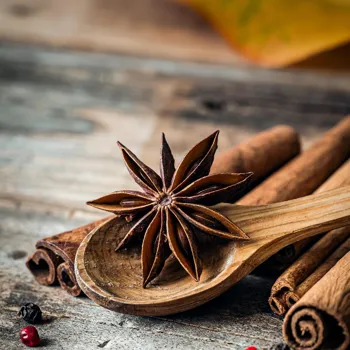
Simply heat the milk or cream with the spices and let it steep for a few minutes before using it in your recipe. You can also infuse your sugar with spices by storing it in an airtight container with a few cardamom pods or a cinnamon stick.
The sugar will absorb the flavors of the spices over time, creating a wonderfully fragrant ingredient. Another way to infuse flavor is to use extracts. Rosewater, kewra water, and vanilla extract are all popular choices for Indian baking.
A few drops of these extracts can add a delicate floral or sweet note to your baked goods. Don't be afraid to experiment with different flavor combinations to create your own signature Indian bakes.
Remember, flavor infusion is the key to transforming a simple baked good into a culinary masterpiece!
Don't Forget the Garnishes:
A beautiful garnish can elevate your baked goods from simple to stunning. Chopped nuts, like almonds, pistachios, and cashews, are a classic Indian garnish. They add a delightful crunch and visual appeal. Edible silver leaf (varak) is another popular garnish, adding a touch of elegance and luxury.
You can also use dried rose petals, saffron strands, or a dusting of powdered sugar to decorate your baked goods. Get creative with your garnishes and let your imagination run wild. Use stencils to create intricate designs with powdered sugar or cocoa powder.
Arrange nuts and dried fruits in a beautiful pattern. You can also drizzle melted chocolate or caramel over your baked goods for a decadent touch. Remember, a well-placed garnish can make all the difference in the presentation of your baked goods.
Embrace Traditional Techniques with a Twist:
While traditional Indian baking techniques are essential to learn, don't be afraid to experiment and add your own twist. Try adapting classic recipes to suit your modern lifestyle. For example, you can use an air fryer to make healthier versions of traditional fried snacks.
Or, you can use a stand mixer to simplify the process of making complex doughs. You can also experiment with different flavor combinations. Try adding a touch of ginger to your carrot cake or a pinch of chili powder to your chocolate brownies. The possibilities are endless!
Remember, baking is a creative process, so don't be afraid to break the rules and experiment. You might just discover your next signature recipe.
Patience is a Virtue (Especially in Baking):
Baking requires patience. Don't rush the process. Allow your dough to rest and rise properly. Let your baked goods cool completely before frosting or decorating them. Patience is key to achieving the best results. Rushing the process can lead to uneven baking, dense textures, and crumbly finishes.
Remember, baking is a labor of love. Take your time, enjoy the process, and savor the results.
Practice Makes Perfect, Hai na?
Like any skill, baking requires practice. Don't be discouraged if your first few attempts aren't perfect. Keep practicing, experimenting, and learning from your mistakes. Each bake will bring you one step closer to mastering the art of Indian baking.
Remember, even professional bakers started somewhere. Don't be afraid to try new recipes and techniques. The more you bake, the more confident and skilled you will become. And most importantly, have fun! Baking should be a joyful and rewarding experience.
So there you have it – 10 essential tips to elevate your Indian baking skills. Happy baking, and may your kitchen always be filled with the sweet aroma of success!
AI Generated Content. Glance/InMobi shall have no liability for the content