





Embark on a Sweet Journey through the Unique Flavors of Indian Desserts! Discover the stories, ingredients, and traditions that make them special. Let's delve into a world of sweetness that's deeply rooted
in tradition and rich in culture
India, a land known for its vibrant culture and diverse traditions, also boasts a dazzling array of desserts that are a true celebration of flavors.
From the snow-capped Himalayas to the sun-kissed beaches of the South, each region has its own unique sweets, crafted with local ingredients and age-old recipes passed down through generations.
These desserts are more than just sugary treats; they are an integral part of Indian festivities, celebrations, and even everyday life, adding a touch of sweetness to every occasion.
So, let's embark on a delightful journey to explore the fascinating world of Indian desserts, discovering the stories, ingredients, and traditions that make them so special.
Indian sweets: rich, flavorful, aromatic treats with unique ingredients and preparation methods
Whether it’s the creamy richness of a North Indian kheer or the melt-in-your-mouth goodness of a South Indian Mysore Pak, Indian sweets offer an unforgettable experience.
The use of spices like cardamom, saffron, and nutmeg elevates the flavors, creating a symphony of taste that tantalizes the senses. Ingredients like milk, ghee (clarified butter), nuts, and fruits further enhance the textures and aromas of these delectable treats.
The preparation methods, often involving slow cooking and intricate techniques, add to the uniqueness and charm of Indian desserts.
North India's rich culinary culture features gulab jamun, kheer, gajar ka halwa, and ghevar
North India is a land of grand feasts and elaborate sweets. Here, you will find the classic gulab jamun, deep-fried milk balls soaked in sugary syrup, a perennial favorite at weddings and festivals.
Kheer, a creamy rice pudding flavored with cardamom and nuts, is another popular choice, often prepared during celebrations like Diwali. The winter months bring the indulgence of gajar ka halwa, a slow-cooked carrot pudding that’s rich, comforting, and irresistible.
In the states of Rajasthan and Uttar Pradesh, you'll often find “ghevar'' which is made of flour, and soaked overnight in sugar syrup.
Eastern India's unique desserts: Rasgulla, Sandesh, Chhena Poda
Eastern India showcases its own distinct palette of flavors. Rasgulla, spongy cheese balls soaked in a light syrup, originated in West Bengal and is now a beloved sweet across the country.
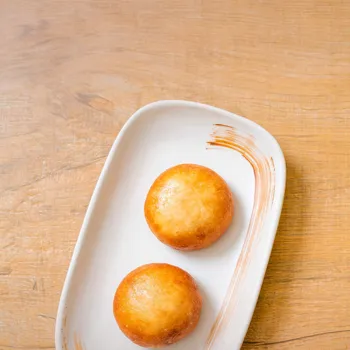
Sandesh, another Bengali specialty, is a delicate confection made from fresh cheese and sugar, often flavored with cardamom or saffron. In Odisha, you’ll discover chhena poda, a baked cheese dessert that's known for its slightly caramelized crust and subtly sweet interior.
These desserts often feature the unique flavors of locally sourced ingredients such as coconut and jaggery.
Western Indian desserts: shrikhand, basundi, laddoo - a sweet journey
In Western India, the desserts are as vibrant as the region's culture. Maharashtra is famous for its shrikhand, a creamy yogurt dessert flavored with cardamom and saffron. Gujrat has " basundi" which is condensed milk, lightly sweetened and flavored from cardamom and nutmeg.
Laddoo, a round sweet made from flour, ghee, and sugar, is ubiquitous across the region and comes in countless variations. From the melt-in-your-mouth motichoor laddoo to the nutty besan laddoo, there's a laddoo for every palate.
As we explore these regional treasures, we start to unravel the rich tapestry of Indian sweets.
South Indian sweets: Mysore Pak, Payasam, Halwa
South India presents a delightful contrast with its own set of distinctive sweets. Mysore Pak from Karnataka is a rich, fudge-like dessert made from gram flour, ghee, and sugar. It has a melt-in-your-mouth texture and a heavenly aroma.
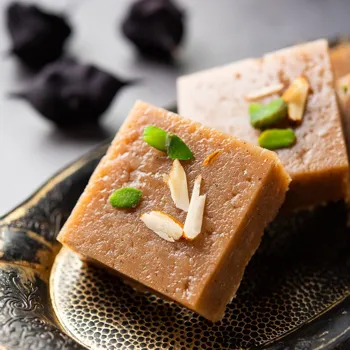
Payasam, a creamy rice pudding similar to kheer, is a staple at South Indian weddings and festivals. It often includes ingredients like coconut milk, jaggery, and cardamom. Halwa, with many versions and ingredients, can be made across the Southern states.
This may include banana-halwa, jackfruit halwa, and other variations.
Indian dessert-making: art of tradition, patience, spices, and love
The making of Indian desserts is often an art form in itself. Recipes are carefully handed down through generations and the preparation involves patience, skill, and a lot of love. Many sweets require slow cooking to allow the flavors to meld together perfectly.
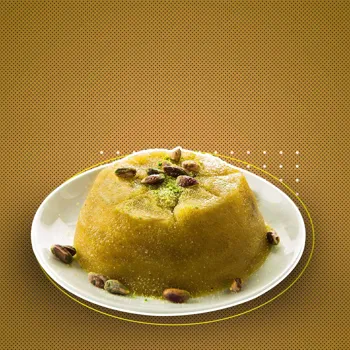
For instance, making gajar ka halwa involves grating carrots, sautéing them in ghee, and then simmering them with milk and sugar for hours until the mixture thickens into a rich, flavorful pudding.
The use of spices is crucial, and the right combination can transform a simple dessert into an extraordinary delicacy.
Traditional methods elevate Indian sweet flavors
Traditional methods of cooking, such as using earthen pots and wood-fired ovens, also contribute to the unique flavors of Indian sweets. The slow, even heat allows for a gentle caramelization of sugars and a deeper infusion of flavors.
Many families have their own special techniques and secret ingredients that make their sweets stand out. This personal touch adds to the charm and authenticity of Indian desserts.
The attention to detail and the dedication to preserving traditional methods are what makes Indian sweets so special and cherished.
Indian desserts blend tradition with modern techniques
Today, while modern techniques and ingredients are incorporated, the essence of Indian desserts remains deeply rooted in tradition. Many home cooks and sweet shops still follow age-old recipes and techniques to ensure that the flavors and textures are authentic.
This commitment to preserving the culinary heritage of India ensures that the magic of Indian sweets will continue to delight generations to come.
So, the next time you have the chance, explore the diverse world of Indian desserts and embark on a sweet journey that will tantalize your taste buds and enrich your understanding of Indian culture.
AI Generated Content. Glance/InMobi shall have no liability for the content