





Unveiling 10 Hidden Indian Ingredients & How to Use Them! Dive into a world of unique flavors and health benefits. Discover more!
India, a land of vibrant culture and diverse traditions, is also a treasure
trove of culinary secrets. Beyond the familiar turmeric, cumin, and coriander, lies a world of lesser-known ingredients waiting to be explored.
These ingredients, often used in regional cuisines, offer unique flavors and potential health benefits. Let's delve into ten such gems and discover how to incorporate them into your everyday cooking.
Kalonji (Nigella Seeds)
These tiny black seeds, also known as nigella seeds or black cumin, have a slightly bitter and peppery flavor. Kalonji is commonly used in Indian breads like naan and paratha, adding a subtle aroma and visual appeal.
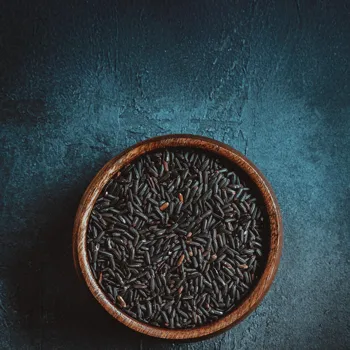
Beyond breads, kalonji can be sprinkled on vegetable dishes, used in pickles, or even added to tempering for dals and curries. Kalonji oil is also gaining popularity for its potential health benefits, often used in hair and skin care.
To use kalonji effectively, lightly toast the seeds to enhance their flavor before adding them to your dish. Remember, a little goes a long way, as the flavor is quite potent.
Experiment with adding a pinch to your next vegetable stir-fry or try making a simple kalonji-infused oil for drizzling over salads. Kalonji seeds are not only flavorful but also believed to possess medicinal properties, making them a valuable addition to your pantry.
Kokum
This sun-dried fruit, native to the Western Ghats of India, offers a tangy and slightly sweet flavor, similar to tamarind but with a unique twist. Kokum is a popular ingredient in Goan and Maharashtrian cuisine, adding a refreshing sourness to curries, drinks, and chutneys.
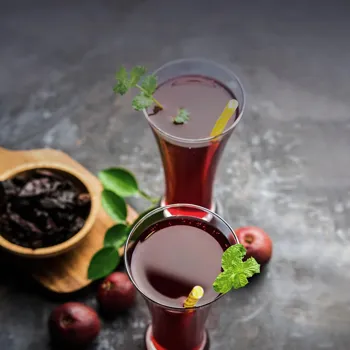
It is particularly well-suited for vegetarian dishes, balancing richness and adding a pleasant tang. Kokum can be used in dried form or as a syrup. To use dried kokum, soak it in warm water for about 15-20 minutes to rehydrate it before adding it to your dish.
Kokum syrup can be directly added to drinks or used as a glaze for vegetables. Try using kokum in a light summer curry with coconut milk or make a refreshing kokum sherbet to beat the heat. Beyond its culinary uses, kokum is also valued for its cooling properties and is believed to aid digestion.
Kamal Kakdi (Lotus Stem)
Lotus stem, or kamal kakdi, is a crunchy and slightly sweet vegetable that is widely used in Indian and Asian cuisines. It has a unique texture and a subtle flavor that makes it incredibly versatile. In India, kamal kakdi is commonly used in curries, stir-fries, and pickles.
It can also be used to make koftas or added to stews for a delightful crunch. Preparing kamal kakdi involves cleaning it thoroughly and removing the outer skin. It can then be sliced, diced, or grated depending on the recipe.
Kamal kakdi pairs well with a variety of spices and vegetables, making it a great addition to vegetarian meals. Try making a dry kamal kakdi sabzi with potatoes or add it to a mixed vegetable curry for added texture and flavor. Furthermore, it is known to be rich in fiber, vitamins and minerals.
Radhuni Seeds
Radhuni seeds, native to Bengal, are a spice with a unique aroma and flavor profile, often compared to celery seeds but with a more intense and earthy note.
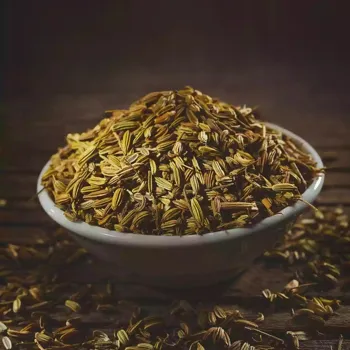
It is an essential ingredient in Bengali cuisine, particularly in the paanch phoron spice mix, which also includes fenugreek, nigella, cumin, and fennel seeds. Radhuni seeds are best used tempered in oil at the beginning of cooking, allowing their flavor to infuse the dish.
They can be added to vegetable dishes, dals, and even used in pickles. The distinct flavor of radhuni seeds enhances the overall taste of the dish, adding depth and complexity. To use radhuni seeds effectively, lightly crush them before adding them to hot oil. Then add other ingredients and cook.
If you wish to explore authentic Bengali flavors, radhuni seeds are a must-have ingredient in your spice collection.
Anardana (Dried Pomegranate Seeds)
Anardana, or dried pomegranate seeds, offer a sweet and tangy flavor, adding a delightful twist to various dishes. It is commonly used in North Indian cuisine, particularly in chutneys, curries, and salads.
Anardana powder is also a popular ingredient, adding a fruity and slightly sour note to spice blends. To use anardana, you can either add the whole seeds directly to your dish or soak them in warm water for about 15 minutes to soften them.
Anardana powder can be used as a seasoning or added to marinades. It pairs well with vegetables like potatoes, cauliflower, and spinach, as well as with legumes like chickpeas and lentils.
Try adding anardana to your next chana masala or sprinkling it over a simple potato sabzi for a burst of flavor.
Gond Katira (Edible Gum)
Gond katira, also known as tragacanth gum, is a natural gum obtained from the sap of various Middle Eastern plants. In India, it is primarily used for its cooling properties and is a popular ingredient in summer drinks and desserts.
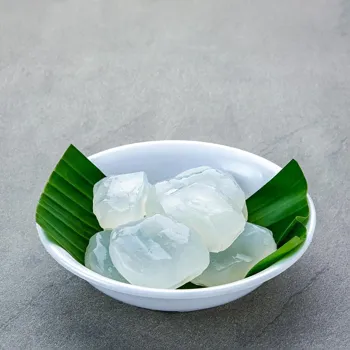
Gond katira has no flavor of its own but takes on the flavor of the liquid it is soaked in. To use gond katira, soak a small amount of it in water overnight. It will swell up and become gelatinous.
The soaked gond katira can then be added to milkshakes, falooda, or sherbet for a cooling and thickening effect. It is also used in traditional Indian sweets like laddoos and barfis, adding a unique texture and binding the ingredients together.
Chakri Phool (Star Anise)
This star-shaped spice, also known as star anise, has a licorice-like flavor and a strong aroma. It is a staple in Chinese cuisine but is also used in Indian dishes, particularly in biryanis, curries, and soups.
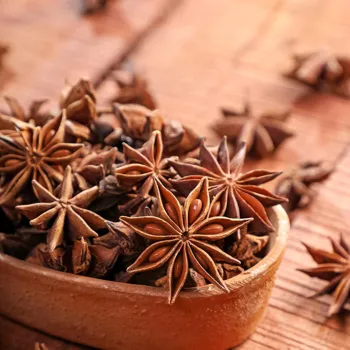
Chakri phool adds a warm and aromatic note to dishes, enhancing the overall flavor profile. It is best used whole, allowing its flavor to infuse the dish as it cooks. Remove the star anise before serving. Chakri phool pairs well with meats, vegetables, and legumes.
Try adding it to your next vegetable pulao or using it to flavor a simple tomato soup. Star anise is known to aid digestion.
Jakhya Seeds
Native to the hills of Uttarakhand, jakhya seeds are tiny, dark brown seeds with a pungent and earthy flavor. They pop when added to hot oil, similar to mustard seeds, and release a unique aroma that is characteristic of Garhwali cuisine.
Jakhya seeds are primarily used for tempering dals, vegetables, and curries. They are added to hot oil at the beginning of cooking, along with other spices like cumin and mustard seeds. The popping sound indicates that the seeds are ready and have released their flavor.
Jakhya seeds add a rustic and earthy note to dishes, bringing the flavors of the mountains to your table.
Muringa (Moringa)
Moringa, known as drumstick in many parts of India, is a nutrient-rich plant with edible leaves, pods, and seeds. The leaves are packed with vitamins, minerals, and antioxidants, while the pods are a popular vegetable in South Indian cuisine.
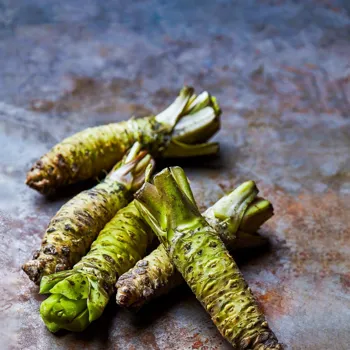
Moringa leaves can be used in salads, stir-fries, and soups. The pods are commonly added to sambar, curries, and stews. Moringa powder, made from dried leaves, is also gaining popularity as a health supplement and can be added to smoothies, juices, or sprinkled over food.
Thandal Seeds
Thandal seeds, also known as lotus seeds or makhana, are the seeds of the lotus flower. They are a popular snack in India, often roasted or fried. These are often considered healthy alternative to junk snacks.
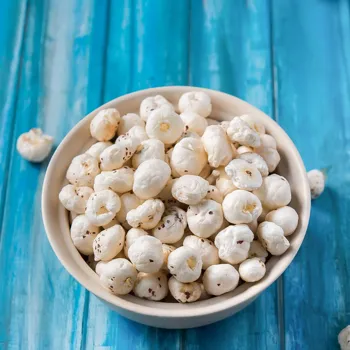
Thandal seeds are also used in curries, desserts, and sweet dishes, adding a nutty flavor and a unique crunch.
By exploring these lesser-known Indian ingredients, you can add new dimensions to your cooking and discover a world of exciting flavors.
So, step out of your comfort zone and experiment with these culinary gems. You might be surprised at the delicious results.
AI Generated Content. Glance/InMobi shall have no liability for the content