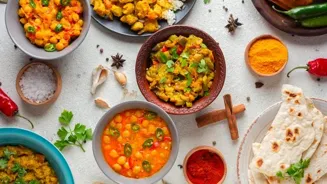









Discover 10 Iconic Indian Ingredients & Their Culinary Wonders - A flavorful journey awaits!
India, a land of vibrant culture and diverse landscapes, boasts a culinary heritage as rich and varied as its
people. Indian cuisine, renowned globally for its complex flavors and aromatic spices, relies heavily on a core set of ingredients that form the foundation of countless dishes.
These ingredients, often deeply rooted in history and tradition, not only provide unique tastes but also offer a range of health benefits. Let's explore ten iconic Indian ingredients and delve into their fascinating culinary applications.
Turmeric: versatile spice in Indian cuisine and medicine
Turmeric, with its vibrant yellow hue and earthy flavor, holds a prominent place in Indian cooking and traditional medicine. It is derived from the rhizomes of the Curcuma longa plant and is known for its powerful anti-inflammatory and antioxidant properties.
In culinary applications, turmeric is a key ingredient in many curries, lentil dishes, and vegetable preparations. It adds a warm color, a subtle bitterness, and a characteristic aroma to the food. Beyond its flavor profile, turmeric is also used as a natural food coloring agent and preservative.
It is also a staple in traditional remedies, used to treat a variety of ailments, from skin conditions to digestive problems. No Indian kitchen is complete without this golden spice. Beyond it's use in food, it is also considered auspicious.
Turmeric paste is also used in traditional Indian weddings on the bride and groom. The ingredient is truly versatile.
Ginger: Essential in Indian cuisine, versatile in flavor and health benefits
Ginger, a knobbly rhizome with a pungent and slightly sweet flavor, is another essential ingredient in Indian cuisine. It is widely used in both fresh and dried forms to add warmth, zing, and depth to dishes. Ginger is a key component in many curry pastes, stir-fries, and lentil soups.
It is also used to flavor teas, beverages, and desserts. In addition to its culinary uses, ginger is known for its medicinal properties. It has been used for centuries to treat nausea, indigestion, and inflammation. It is often consumed as a home remedy for colds and flu.
Ginger is also believed to have antioxidant and anti-inflammatory effects, making it a valuable addition to a healthy diet. Its versatility spans from savory to sweet dishes, making it an indispensable ingredient. Many Indian homes plant them on the terrace.
Cardamom: "Queen of Spices" for sweet & savory dishes, with digestive benefits
Cardamom, known as the "Queen of Spices," is a fragrant spice with a complex, sweet, and slightly citrusy flavor. It comes in two main varieties: green cardamom and black cardamom.
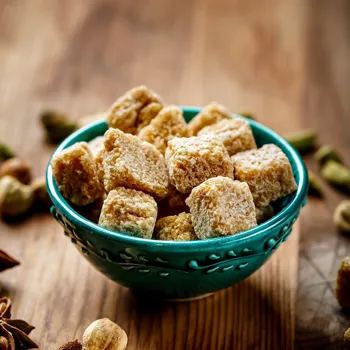
Green cardamom is more commonly used in sweet dishes and beverages, while black cardamom is typically used in savory dishes. Cardamom is a popular ingredient in Indian desserts like kheer, halwa, and barfi. It is also used to flavor tea, coffee, and milk-based drinks.
In savory dishes, cardamom adds a subtle warmth and aroma to curries, rice dishes, and vegetable preparations. Beyond its culinary uses, cardamom is also believed to have digestive and carminative properties. It is often consumed after meals to aid digestion and freshen breath.
A pinch is enough to brighten up any dish.
Cumin: essential in Indian cuisine, adds depth, aids digestion, rich in iron
Cumin, a warm and earthy spice with a slightly bitter flavor, is a staple in Indian cooking. It is derived from the dried seeds of the Cuminum cyminum plant. Cumin is used in both whole and ground forms to add depth and complexity to dishes.
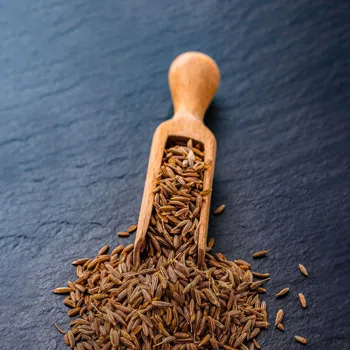
It is a key ingredient in many curry powders, spice blends, and marinades. Cumin is also used to flavor rice dishes, lentil soups, and vegetable preparations. In addition to its culinary uses, cumin is known for its digestive properties.
It is believed to stimulate the production of digestive enzymes and help relieve bloating and gas. It is also a good source of iron and manganese. Cumin seeds are often roasted before being ground to enhance their flavor. Its presence is deeply entrenched in Indian cuisine.
The uses spans myriad dishes.
Coriander: versatile herb in Indian cuisine for flavor and health benefits
Coriander, with its bright green leaves and refreshing citrusy taste, is a widely used herb in Indian cuisine. Both the leaves and the seeds of the coriander plant are used in cooking. Coriander leaves are often used as a garnish to add freshness and flavor to dishes.
They are also used in chutneys, salads, and soups. Coriander seeds, known as dhania, are used as a spice in curries, spice blends, and marinades. Coriander is known for its cooling properties and is often used to balance the heat of other spices. It is also a good source of vitamins and minerals.
From garnish to spice, Coriander has a special place. It enhances the taste of the dish. It has a tangy and fresh taste.
Mustard seeds: vital in Indian cuisine, come in 3 types, add flavor, texture to dishes
Mustard Seeds, tiny but mighty, are a key ingredient in many Indian dishes, especially in South Indian cuisine. They come in three varieties: black, brown, and yellow. Black mustard seeds are the most pungent and are commonly used in Indian cooking.
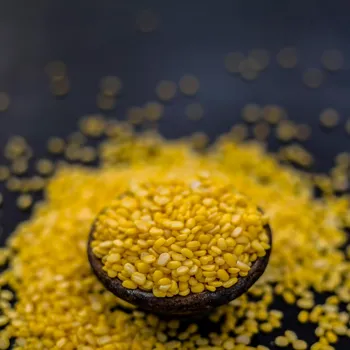
Mustard seeds are typically tempered in hot oil to release their nutty flavor and aroma. They are used in vegetable preparations, lentil dishes, and pickles. Mustard seeds are also a good source of minerals, and antioxidants. Tempering mustard seeds is a common technique.
These are used to bring out it's flavour. The use is very frequent in South Indian households. These add texture to a cuisine.
AI Generated Content. Glance/InMobi shall have no liability for the content